
Castles
Best Tourist Attractions to See in India: Hills & Castles 2026
India’s best tourist attractions look endless on a map, but they get messy if you treat every fort, hill station, and temple as equal. This 2026 guide...

-
01 / Verified & updated
July 2026
-
02 / Base hub
Delhi (hub for Taj Mahal, Golden Triangle, and Himalayan hill add-ons)
-
03 / Crowd-free window
Aim for the opening entry slot at the Taj Mahal if you want to avoid crowds; dawn boat rides on the Varanasi ghats beat midday heat
-
04 / Region
Castles
-
05 / Read time
11 min
India’s best tourist attractions look endless on a map, but they get messy if you treat every fort, hill station, and temple as equal. Some stops earn a full morning. Others are a photo pull-off between trains. This 2026 guide filters the best tourist attractions to see in India so you pair hills and castles without burning two weeks on filler.
As of July 2026, most first-timers still do best with one heritage core (often the Golden Triangle or Rajasthan) plus one cool-air hill add-on. Domestic flights and overnight trains keep hops doable if you do not overpack the map. If you are comparing fortress-heavy trips before you book, stack this against Best Castles in Egypt 2026 or the compact palace loops in Best Castles in Portugal 2026.
Iconic Historic Places Every First-Timer Should Visit
Start with the landmarks that define most India itineraries in 2026. You do not need all of them. You do need a short list that matches your entry city and trip length.
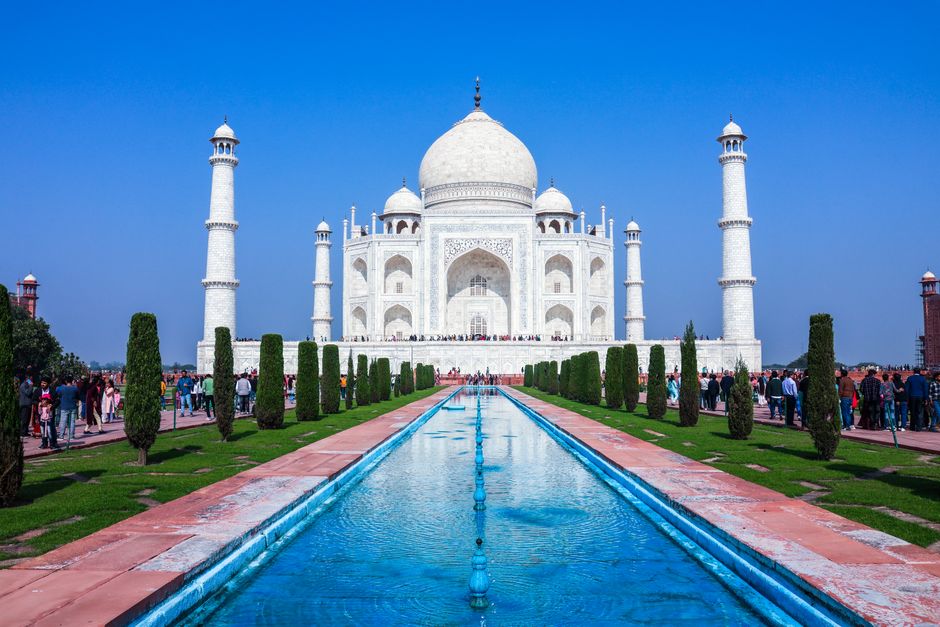
The Taj Mahal in Agra still anchors first visits for a reason: white marble, sunrise light, and a clear half-day that slots into Delhi, Agra, Jaipur. Book timed entry on the official Archaeological Survey of India (ASI) ticketing site as of July 2026, and aim for the opening slot if you hate crowds. Fridays are closed for the main mausoleum, so plan around that.
- Delhi’s Red Fort and Qutub Minar, for Mughal scale and early Indo-Islamic stonework without leaving the capital.
- Jaipur’s City Palace and Amber Fort zone, if you want palace courtyards plus hilltop ramparts in one metro area.
- Varanasi ghats, when you want living heritage more than a ticketed ruin. Dawn boat rides beat midday heat.
- Hampi, for boulder-strewn Vijayanagara ruins that feel like an open-air museum, not a single monument selfie stop.
- Khajuraho or Ellora/Ajanta, if temples and rock-cut caves matter more than forts for your first loop.

Temple and heritage city roundups often dump twenty names on you. Skip that. Pick one capital gateway, one fort-palace cluster, and one deep-heritage day (Hampi, Khajuraho, or a cave complex). That trio already beats a generic best-of India bucket list that tries to touch everything.
Golden Triangle staples still earn their keep because logistics are simple: Delhi flights, short Agra and Jaipur hops, and enough variety that a first visit feels complete without a cross-country sprint. If you already know Taj and Red Fort from postcards, use the spare day for Humayun’s Tomb or a focused Amber morning instead of adding a third city you cannot walk properly.
Pro Tip: For ASI monuments, check the official ASI ticketing portal for foreigner rates and timed slots as of July 2026. Do not trust third-party screenshots; fees and closure days shift.
Hill Stations and Mountain Escapes Worth the Climb
Hills are your climate valve. After Agra heat or Rajasthan stone courtyards, you want cooler nights and walking trails, not another marble hall. Famous hill stations like Manali and Ooty still work, but choose based on season and flight access, not Instagram alone.

Manali (Himachal) pairs well with a north India heritage start if you can spare the road or flight via Chandigarh or Kullu. Think pine walks, Rohtang-access seasons, and café recovery days. Shimla is easier for short trips: colonial ridges, toy-train nostalgia, and less aggressive altitude than deeper Himalaya.
Darjeeling delivers tea estates, Kanchenjunga views on clear mornings, and a softer pace than Rajasthan circuits. Ooty and Munnar cover the south: eucalyptus roads, tea gardens, and cooler nights after Chennai, Bangalore, or Kochi heat. Mussoorie and Nainital sit closer to Delhi if you only have a weekend-sized hill add-on.
- Best for north loops: Shimla or Manali after Delhi, Agra, and Jaipur.
- Best for east tea country: Darjeeling with a Kolkata or Bagdogra gateway.
- Best for south heritage + hills: Ooty or Munnar after Mysore, Hampi, or Kerala temples.
Hill stations that pair cleanly with historic forts and palaces: Shimla after Jaipur or Delhi, Mount Abu near Rajasthan forts, and Udaipur’s Aravalli setting if you want lake-palace vibes without a full Himalayan detour. Pick one hill block. Two hill stations in one week usually means more transit than views.
As of July 2026, monsoon weeks (roughly June through September in many hill belts) mean greener slopes and messier roads. Winter brings clearer Himalayan views but colder nights. Shoulder months often give the best mix of comfort and access. Build at least one full walking day with no monument ticket; that is the point of the climb.
Forts and Castle-Like Palaces Across India’s Regions
India does not do European fairy-tale turrets the same way, but Rajasthan forts and palace tours scratch the castle itch hard. Think ramparts, elephant-gate approaches, mirrored halls, and lake views. If Bavaria’s postcard keeps showing up in your mood board, you can still get that fortress craving here, then compare later with the fairytale castles of Bavaria.

Amber (Amer) Fort outside Jaipur is the classic castle-like hit: hillside walls, courtyards, and the Maota Lake approach. Pair it with Jaigarh and Nahargarh if you want rampart walks and sunset city views. In Jodhpur, Mehrangarh Fort owns the skyline. In Jaisalmer, the living fort town is the story. Udaipur’s City Palace and lake complex lean palace over fortress, and that is fine.
Elsewhere: Gwalior Fort for central India scale, Golconda near Hyderabad for Deccan walls and acoustics, Chittorgarh for sprawling Rajasthan history, and Red Fort (Delhi) if you need a capital-city fortress without a Rajasthan hop. South India leans more temple-city than castle, but palace complexes in Mysore still deliver ornate interiors that feel palace-tour adjacent.
For a fort day that does not melt you, start early, wear grippy shoes for uneven stone, and leave midday for shade or a museum wing. Many complexes are large enough that “one fort” equals three or four hours if you walk the walls instead of racing the photo points.
If it has thick walls, a hill approach, and a courtyard that makes you look up, count it as castle enough for this trip.
North vs South vs West: Where to Focus Your Trip
As of July 2026, your region choice should follow time and climate, not a wish list of every famous name.
North
Best if you want Taj Mahal and Golden Triangle staples plus optional Himalaya hills. Delhi is the hub. Agra and Jaipur are short hops. Shimla or Manali add cool air. Monsoon (roughly June through September) means greener hills and stickier plains. Winter mornings at Agra can be foggy; plan buffers.
West (esp. Rajasthan + Gujarat edges)
Best for forts and castle-like palaces. Jaipur, Jodhpur, Udaipur is the efficient fort-palace spine. Heat is real from March into early summer, so July 2026 visitors should watch monsoon road days and book AC transit. This is the region if historic fortresses are your main brief.
South
Best for temple and heritage city roundups plus hill stations like Ooty or Munnar. Hampi sits as a heritage wild card between Bangalore and Goa or Hyderabad flight webs. You trade fewer Mughal forts for richer temple architecture and greener hills.
Short version: 7-9 days for a north Golden Triangle plus one hill or one extra fort day. 10-14 days for a Rajasthan fort circuit plus one hill or lake city. South-first means temples plus Ooty or Munnar, not a forced Taj day unless you add a north flight. For Silk Road-style heritage pacing ideas outside India, skim Best Historic Places in Uzbekistan.
A Sample 10-14 Day Route Linking Hills and Heritage
Here is a practical west-north loop that pairs forts, historic cities, and one cool-air break without pretending you can see “all of India.”
- Days 1-2, Delhi: Red Fort, Qutub, one museum or Humayun’s Tomb. Sleep off jet lag.
- Day 3, Agra: Taj at dawn, Agra Fort midday, evening train or driver to Jaipur.
- Days 4-5, Jaipur: Amber Fort morning, City Palace and bazaar pace. Optional Nahargarh sunset.
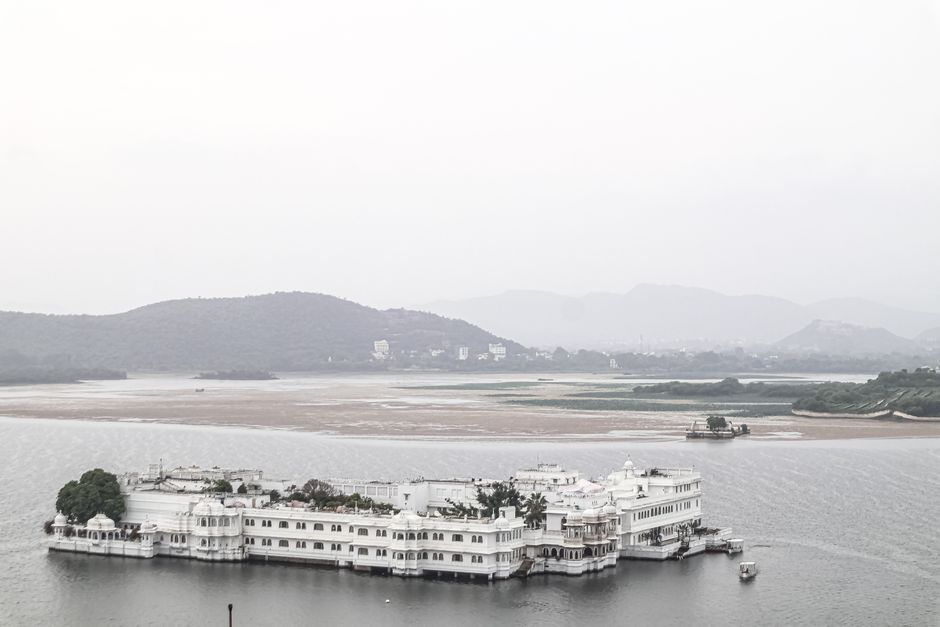
- Days 6-7, Udaipur: City Palace, lake walk, boat hour on Lake Pichola. This is your palace-and-water reset.
- Days 8-10, hill add-on: Fly or train toward Shimla or Chandigarh for ridges, or Mount Abu if you want to stay closer to Rajasthan. Two full hill days beat one exhausted half-day.
- Days 11-12 buffer: Extra fort (Jodhpur) or back to Delhi for departure. Use buffers for delays.
- Days 13-14 stretch: Only if you have energy: Jaisalmer desert fort night, or skip and rest.
Swap Udaipur for Jodhpur if ramparts matter more than lakes. Swap the hill block for Hampi if ruins beat pine walks. Keep domestic flights to one or two. Overnight trains save hotels when you are tired of packing.
Pro Tip: Build one empty half-day every four days. India’s best days often need recovery time more than another ticketed gate.
Practical Tips for Visiting Attractions in 2026
Tickets, crowds, and dress codes decide whether a landmark feels worth it. As of July 2026, treat posted prices as time-sensitive and verify on official pages before you pay a reseller markup.
- Advance tickets: Yes for the Taj Mahal and busy ASI sites in peak season. Use the official ASI or monument ticketing channels. Same-day can work off-peak, but do not gamble sunrise slots.
- Crowd timing: Open at first entry, or late afternoon. Midday sun on sandstone forts is rough. Sundays and Indian holiday weekends pack harder.
- Dress codes: Cover shoulders and knees at active temples. Carry a light scarf. Forts are more casual, but modest clothes still help in smaller towns.
- Fees: Foreigner rates differ from domestic rates at many sites. Camera rules vary. Check the ASI site and state tourism pages for current fees as of July 2026 rather than memorizing a blog number.
- Year-round access: Most major forts and palace complexes stay open to visitors through 2026 with weekly closure days or festival exceptions. Monsoon can close hill roads or outdoor sections temporarily. Always confirm the site’s official notice board or tourism page the week you go.
Note: Visa rules, e-visa fees, and monument charges change. Confirm entry on the official Indian government visa portal and monument fees on ASI or state tourism sites before you lock flights.
Carry water, cash for small tickets, and offline maps. Hire licensed guides at big forts if you want context fast. Skip the hard sell for “special photo spots” that are just public viewpoints with a tip jar.
How to Prioritize If You Only Have One Week
One week is enough for a sharp first visit if you refuse to overpack. Use this decision frame.
If heritage is the main goal: Delhi (1.5 days) + Agra (1 day) + Jaipur (2.5 days) + one buffer or Amber-focused morning. That answers “best tourist attractions to see in India for a first visit” without lying about coverage.
If forts and palaces win: Fly into Jaipur, do Amber + city palaces, then Udaipur or Jodhpur. Skip the Taj only if you truly care more about ramparts than the marble icon. Most first-timers should not skip it.
If hills matter more than monuments: Land Delhi or Chandigarh, take a Shimla or Manali block, and add one heritage day on the way out. Do not pretend you also did Rajasthan.
How many days do you need for top historic places and hills? 10-14 days for a linked loop. 7 days for one region done well. 3-4 weeks if you want north forts plus south temples plus real hill time. Anything less means cutting, not speeding up.
Should you book attraction tickets in advance as of July 2026? Book the Taj and other high-demand timed entries ahead. Forts with walk-up capacity are more flexible, but peak holiday weeks still reward early slots. For wider trip planning comparisons, you can weigh this India hills-and-castles plan against outdoor-heavy guides like things to do in Morocco 2026 or altitude-and-ruins pacing in things to do in Peru 2026.
FAQ: Hills, Forts, and First-Timer Stops
What are the best tourist attractions to see in India for a first visit?
Taj Mahal, a Delhi heritage set, Jaipur’s Amber Fort and palaces, plus one hill station or Udaipur lake day if time allows. That mix covers icons without a country-wide sprint.
Which hill stations in India pair well with historic forts and palaces?
Shimla or Manali after the Golden Triangle; Mount Abu with Rajasthan forts; Ooty or Munnar after south temple cities. Pick the hill that matches your exit airport.
Are India’s forts and palace complexes open to visitors year-round in 2026?
Most major sites operate year-round with weekly closures or festival exceptions. Monsoon and extreme heat can limit outdoor comfort or road access. Verify the specific fort’s official hours the week you visit.
How many days do you need to see India’s top historic places and hills?
Plan 10-14 days for a linked hills-and-heritage route. One focused week works for the Golden Triangle or a Rajasthan fort spine, not both plus deep hills.
Should I book attraction tickets in advance as of July 2026?
Yes for the Taj Mahal and other timed ASI entries in busy months. Check official ticketing for current rates. Walk-up is often fine at less crowded forts on weekdays.
Lock one region, one hill add-on, and two priority forts or palaces. Leave the rest for a return trip in 2026 or later. India’s attractions reward depth more than a stamp-collecting map.
Common questions
- 01 Is the Taj Mahal open every day?
- No, the main mausoleum at the Taj Mahal is closed on Fridays, so you should plan your Agra visit around that closure.
- 02 When is the best time to visit India's hill stations?
- Monsoon season, roughly June through September, brings greener slopes but messier roads, while winter gives clearer Himalayan views with colder nights, so shoulder months tend to offer the best mix of comfort and access.
- 03 Which hill station pairs best with a Rajasthan or Delhi itinerary?
- Shimla works well after Jaipur or Delhi, and Mount Abu sits near the Rajasthan forts, letting you add cool air without a full Himalayan detour.
- 04 What is the classic castle-like fort to see near Jaipur?
- Amber (Amer) Fort just outside Jaipur is the classic castle-like highlight, with hillside walls, courtyards, and an approach past Maota Lake, and it pairs well with Jaigarh and Nahargarh for rampart walks and sunset views.
Heads up: some links in this article are partner links, so we may earn a small commission at no extra cost to you. Learn more.

