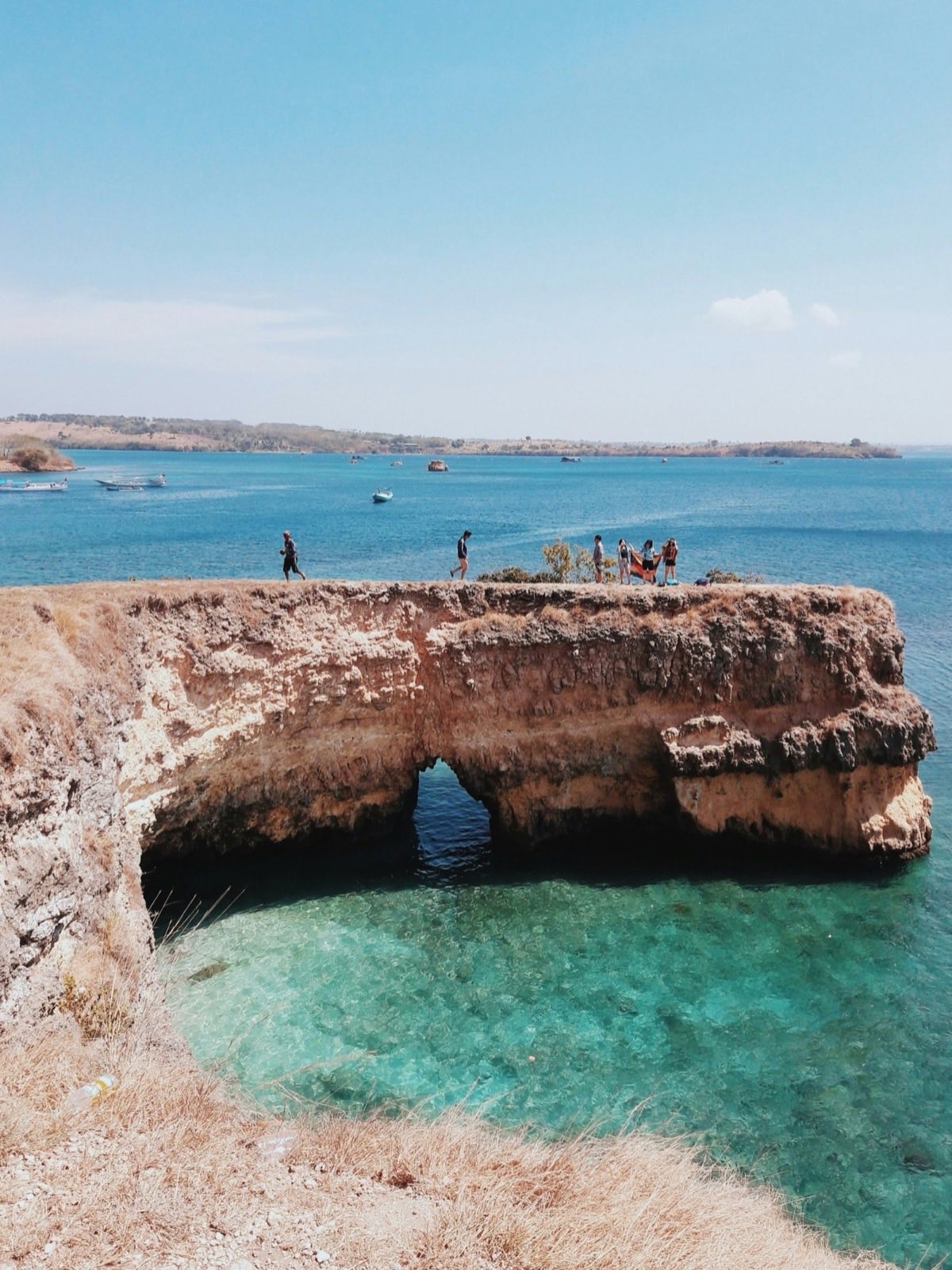
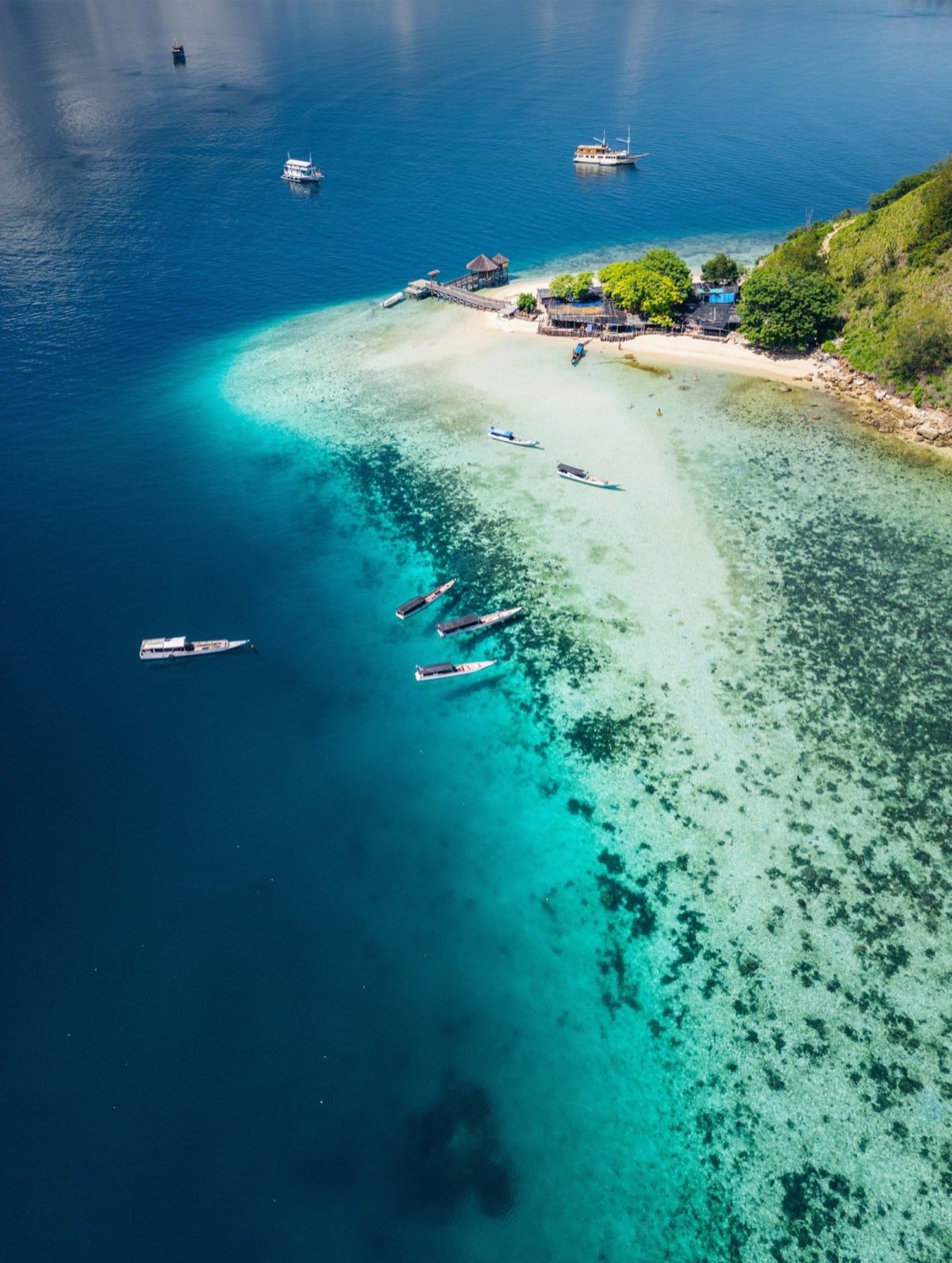
Indonesia is a captivating paradise tucked away in Southeast Asia, and it’s no surprise it’s one of the region’s top travel destinations. Whether you're a backpacker, a couple seeking romance, a solo adventurer, or someone after a luxurious getaway, Indonesia has it all.
From plunging into crystal-clear waterfalls and trekking active volcanoes to catching the perfect wave or diving into lively coral reefs, the country offers endless adventures. You can dive into traditional celebrations, savor sunset views over pristine beaches, explore ancient temples, or even master Indonesian cuisine with a hands-on cooking class.
If you’re gearing up for your first adventure in Indonesia, this guide has you covered. We’ll walk you through everything - from the best times to visit and top destinations to essential tips on travel costs, itineraries, and how to prep for a trip that will leave you with unforgettable memories. Ready to explore? Let’s dive in!
Top Destinations in Indonesia
LOMBOK
BALI
JAVA
FLORES
KOMODO
Smart Travel Tips & Costs for Visiting Indonesia
Indonesia is a breathtaking archipelago, offering everything from tropical beaches to lively cities and lush rainforests. To make the most of your trip, it’s crucial to plan wisely. Here are some travel tips and insights into costs for a seamless and unforgettable experience.
Best Time to Visit Indonesia
Dry Season (April-October): Ideal for trekking, beach days, and outdoor exploration. The clear skies and sunny days are perfect for surfing in Bali or hiking up volcanoes in Java.
Rainy Season (November-March): Quieter, less crowded, and the landscapes are lush and green, but be prepared for sudden downpours. This is great for off-the-beaten-path travel, especially in regions like Sumatra.
Travel & Costs Tips
Cost Breakdown: How Much You’ll Spend
Round-trip flights to Indonesia vary significantly based on your departure city and season. On average:
From the U.S.: $600 - $1,200 (depending on the season)
From Europe: €400 - €800
Travel Tip: Consider flying into Jakarta or Bali for the best deals on flights, as these are the main international hubs.
Budget: Dormitory-style hostels or basic guesthouses will cost around $10-$25 per night.
Mid-Range: Cozy hotels or boutique homestays typically range from $30-$100 per night.
Luxury: Exclusive resorts and private villas can start from $150 and go well over $400 per night.
Smart Tip: To experience more authentic stays, check out homestays in small villages or eco-resorts - often cheaper and more memorable than big hotels.
Transportation
Scooter Rentals: Renting a scooter is a common and affordable way to explore. Expect to pay around $5-$10 per day.
Taxis & Ride-Hailing (Grab): Affordable and available in cities and tourist hubs, with rides usually costing $1-$3 for short trips.
Domestic Flights: Budget airlines like AirAsia and Lion Air offer cheap flights starting from $30 for one-way tickets.
Ferries: Between islands, ferries range from $10-$40, depending on the route and distance.
Pro Tip: If you're comfortable, renting a scooter is one of the most cost-effective ways to get around.
Food
Street Food: Delicious and affordable, with meals like Nasi Goreng (fried rice) or Satay skewers costing around $1-$5.
Casual Dining: Local restaurants or warungs usually charge between $5-$15 for a full meal.
International Cuisine: In touristy areas, expect to pay $10-$30 for international food or higher-end dining experiences.
Smart Tip: The best flavors are often found at street food stalls or local warungs - don’t be afraid to dive into the local food scene.
Attractions & Activities
Cultural Sites: Visits to temples, museums, or parks usually range between $1-$10 for entrance fees.
Adventure Activities: Day tours like hiking Mount Rinjani or exploring Komodo National Park can cost $40-$100.
Diving & Water Sports: A diving trip might set you back $50-$100, depending on the location and dive operator.
Insider Tip: Skip the packaged tours and hire a local guide for a more authentic experience at a fraction of the price.
Language & Communication
Language: Bahasa Indonesia is the official language, but English is widely spoken in tourist areas.
SIM Cards: Prepaid SIM cards for data and calls are cheap, costing around $5-$10 for a month’s worth of internet.
Money & Payments
Currency: Indonesian Rupiah (IDR). The exchange rate is approximately IDR 15,000 for $1 USD, but always check for updates before exchanging money.
ATMs: Widely available in cities and tourist centers. However, foreign ATM cards often incur extra fees.
Cash vs. Cards: Cash is still king in smaller towns and remote areas, while cards are accepted in most cities and larger businesses.
Smart Tip: Carry both cash and cards. Keep some IDR on hand for local markets or small shops and use cards for bigger purchase.
Smart Travel Tips
Island-Hopping: With thousands of islands to explore, plan your route wisely. Popular spots like Bali and Lombok can get crowded, but islands like Flores or the Gili Islands offer more tranquility and adventure.
Local Etiquette: When visiting temples or sacred sites, wear respectful attire (shoulders and knees covered). A scarf or sarong is often required at temples.
Hydrate & Protect Yourself: The tropical climate means you’ll need to stay hydrated. Don’t forget sunscreen and insect repellent - mosquitoes are prevalent in certain areas.
Avoid Tourist Traps: Major tourist hubs like Kuta and Seminyak in Bali can be overrun with crowds and overpriced. Consider quieter destinations like Ubud or Canggu for a more laid-back experience.
Packing Essentials
Lightweight Clothing: The humid climate calls for breathable fabrics - think loose shirts, shorts, and dresses.
Shoes: Pack comfortable sandals for beach days, but sturdy hiking shoes if you plan on trekking.
Power Bank: Power outages can happen, and Wi-Fi isn’t always reliable. A portable charger is a must.
Cultural Sensitivity: Respect local customs by dressing modestly around temples and religious areas. A scarf or shawl can be handy.
Going Green: Sustainability in Indonesia
Indonesia’s natural beauty is both awe-inspiring and delicate. Be mindful of your environmental impact - use reusable bottles, reduce plastic waste, and support eco-friendly accommodations or tours. By doing your part, you’re helping preserve this paradise for future travelers.
Environmental Responsibility
Indonesia’s environment is stunning, but also fragile. Be mindful of your environmental impact by reducing plastic use, supporting eco-friendly businesses, and respecting nature.
Final Thoughts: Smart Travel to Indonesia
Indonesia is a place of endless exploration, with something for every traveler. From the busy streets of Jakarta to the serene beaches of the Gili Islands, you can immerse yourself in a world of diverse cultures, landscapes, and flavors. By planning ahead, being mindful of costs, and respecting local customs, you’ll ensure that your trip to Indonesia is both affordable and unforgettable.
Ready to explore? With its rich culture, beautiful landscapes, and diverse adventures, Indonesia will surely capture your heart and imagination.
Safety standards in Indonesia
Traveling around Indonesia is relatively safe, but it’s important to stay cautious and take some basic precautions to ensure a smooth trip. Here are a few tips to help you stay safe:
Secure Your Valuables Always lock up your valuables, especially in hostels. ATM card skimming is common, so it’s best to use ATMs attached to banks or those with security cameras. Skimming is especially frequent in places like the Gili Islands and Nusa Islands, where there are fewer ATMs. Using a travel card like Revolut is smart because you can freeze your account if necessary
Be Aware in Java and Lombok The culture in Java and Lombok is a bit different from Bali, and you might encounter more situations where you’re overcharged. Be prepared to negotiate prices, as this is common in these areas.
Motorbike and Pickpocketing Precautions When riding a motorbike, keep your valuables inside your bag or bike to avoid snatching. Pickpocketing is also common in crowded areas like dance floors, so always keep your belongings close and secure.
Use Hotel Safes If your hotel provides a safe, use it to store your money and valuables while you’re out. It’s an easy way to keep your important items secure.
Safety for Women It’s not always safe for women to walk alone at night, as incidents like groping can occur. It’s better to ask a friend to walk you home or take a taxi. Avoid dark alleys and stay cautious if you’re driving at night. Check Facebook expat groups for updates on unsafe areas in your city.
Dealing with Police If you’re stopped by the police, always remember your rights. Avoid paying any fines directly in cash, as bribery can be an issue. Instead, ask for a “blue fine” and make sure to get the fine in writing.
By following these tips, you’ll be able to enjoy your trip to Indonesia while staying safe and avoiding common issues.
Indonesia stretches across more than 17,000 islands, and Bali is only one postcard on a wall full of them. You'll find reef systems that top global dive lists, pink beaches, active volcanoes...
Bali, Indonesia, attracted over 6 million international visitors in 2024 alone, solidifying its status as one of Southeast Asia’s top travel gems. With its stunning landscapes, rich culture, and warm...
Bali's coastline stretches across 95 miles of the Indian Ocean, offering diverse beach experiences that range from world-class surf breaks to serene family-friendly lagoons. The island's volcanic origins have created unique black sand shores alongside pristine white beaches...