Waves
Best Surf Spots in French Polynesia 2026: Epic Breaks Guide
French Polynesia delivers some of the world's most spectacular surf breaks, where powerful Pacific swells meet pristine coral reefs to create waves that legends are made of. You'll find yourself paddling out to world-class barrels in crystal-clear lagoons...

French Polynesia delivers some of the world's most powerful surf breaks, where Pacific swells meet pristine coral reefs to create waves that legends are made of. You'll find yourself paddling out to world-class barrels in crystal-clear lagoons, surrounded by volcanic peaks and tropical paradise that makes every surf session feel like a dream. What sets French Polynesia apart from other surf destinations is the sheer consistency of its reef breaks and the raw power that comes from deep ocean swells hitting shallow coral formations.
The islands scattered across this vast Pacific region offer everything from beginner-friendly waves to some of the most challenging barrels on Earth. Unlike crowded surf spots in Australia or Fiji, many of French Polynesia's breaks remain relatively uncrowded, giving you the space to truly connect with these powerful waves. For comparison, destinations like Colombia and South Africa offer excellent surf but lack the consistent reef break quality found throughout French Polynesia.
Why French Polynesia Is a Surfing Paradise
French Polynesia sits perfectly positioned in the South Pacific to catch swells from multiple directions throughout the year. The islands' volcanic origins create the ideal setup for world-class reef breaks, with deep water channels allowing swells to maintain their power before hitting the shallow coral formations that shape these legendary waves.
The consistent trade winds from the southeast help groom the waves to perfection, while the year-round tropical climate means you can surf in boardshorts every single day. Water temperatures hover around 78-82°F (26-28°C) throughout 2026, making it comfortable to spend hours in the lineup without a wetsuit.
What really makes French Polynesia special is the diversity of breaks available. You've got everything from gentle beach breaks perfect for beginners to heavy reef passes that challenge even the most experienced surfers. The crystal-clear water means you can see the reef formations beneath you, which is both beautiful and essential for safety when navigating these coral breaks.
Pro Tip: The best surf conditions typically occur during the austral winter months (May through September) when southern hemisphere storms generate the most consistent swells.
Teahupo'o: The World's Most Famous Barrel

Teahupo'o stands as surfing's ultimate test, a wave so powerful and perfect that it's become the gold standard for heavy water surfing worldwide. Located on Tahiti's southwest coast, this legendary left-hand reef break transforms even moderate swells into thick, grinding barrels that can humble the world's best surfers.
The wave breaks over an extremely shallow coral shelf, creating the signature thick lip that Teahupo'o is famous for. When a 6-foot swell hits this reef, it can produce waves with faces reaching 12-15 feet due to the dramatic water depth change from 12 feet to just 2 feet over the reef.
What makes Teahupo'o so challenging:
- Shallow reef - The coral shelf is less than 3 feet deep in many sections
- Powerful currents - Strong water movement can push you toward the reef
- Thick barrels - The wave throws out a massive amount of water, creating intense tube sections
- Consequences - Wipeouts often result in encounters with sharp coral
Only advanced to expert surfers should attempt Teahupo'o. The wave demands not just technical skill but also the mental fortitude to handle one of surfing's most intimidating breaks. Most surfers access the break via boat from nearby Taravao, as the paddle out from shore is both difficult and dangerous.
Best Surf Breaks in Tahiti
Beyond Teahupo'o, Tahiti offers several other world-class breaks that cater to different skill levels and swell directions. The island's varied coastline means you can almost always find rideable waves somewhere, regardless of wind and swell conditions.
Papara serves as Tahiti's most accessible quality break, located on the island's southwest coast just 45 minutes from Papeete. This left-hand reef break works best on south and southwest swells, offering long rides with multiple barrel sections. The wave is more forgiving than Teahupo'o but still demands respect and solid intermediate to advanced skills.
Taapuna provides the perfect stepping stone for surfers working up to heavier reef breaks. This right-hand point break on Tahiti's west coast offers consistent surf throughout the year, with the best conditions during April through October. The wave breaks over a mix of reef and sand, making it slightly safer for those still learning reef break dynamics.
Venus Point delivers fun, accessible surf right near Tahiti's main airport. This beach break works on various swell directions and offers both left and right-hand waves. It's one of the few spots where beginner to intermediate surfers can comfortably surf on Tahiti, making it perfect for your first sessions while adjusting to French Polynesian conditions.
Note: Always check with local surf shops for current conditions and reef hazards before paddling out at any new break.
Moorea's Hidden Wave Gems

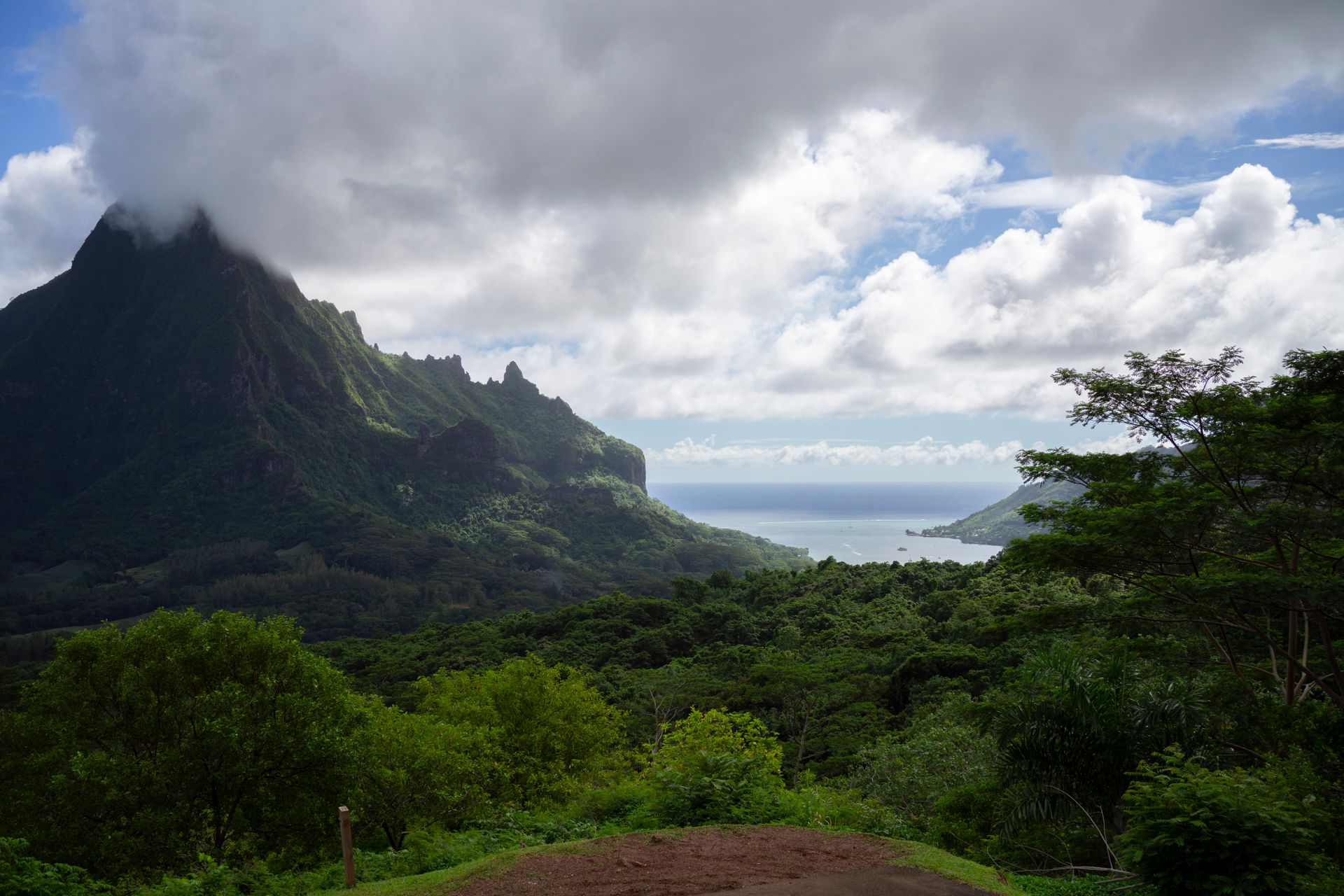
Moorea, just a 30-minute ferry ride from Tahiti, harbors some of French Polynesia's most underrated surf breaks. The island's dramatic volcanic peaks create unique wind shadows and swell refraction patterns that produce consistently good waves with far fewer crowds than Tahiti's famous breaks.
Haapiti stands out as Moorea's premier surf destination, offering a powerful left-hand reef break that can handle swells from 3 to 12 feet. Located on the island's northwest coast, this break works best during May through September when southeast trade winds blow offshore. The wave produces long, hollow sections that rival many of Tahiti's more famous breaks.
The setup at Haapiti is particularly user-friendly compared to other reef breaks in the region. A deep water channel provides safe access to the lineup, while the reef structure creates a more predictable wave pattern than the ultra-shallow breaks found elsewhere in French Polynesia.
Temae offers a completely different surfing experience on Moorea's northeast coast. This beach break works on north and northeast swells, providing both left and right-hand waves over a sandy bottom. While not as powerful as the reef breaks, Temae delivers fun, safe surfing that's perfect for intermediate surfers looking to improve their skills without the consequences of coral.
What makes Moorea special for surfing is the variety of conditions available around the island. When one side is blown out or flat, you can usually find good waves on another coast. The island's mountainous interior creates distinct microclimates that can dramatically affect wind and wave conditions from one bay to the next.
Outer Islands: Huahine, Raiatea & Bora Bora Surf
The Society Islands beyond Tahiti and Moorea offer some of French Polynesia's most pristine and uncrowded surf experiences. These outer islands receive the same powerful Pacific swells but with a fraction of the surf traffic, creating opportunities for perfect waves with just you and a few friends in the lineup.
Huahine delivers consistently excellent surf with two main breaks that work on different swell directions. Passe Avapehi on the island's north shore produces long left-hand waves over a coral reef, working best on north and northwest swells during November through March. The wave offers multiple sections with varying degrees of intensity, making it suitable for intermediate to advanced surfers.
Fare on Huahine's west coast provides a more mellow option with both left and right-hand waves breaking over a mix of reef and sand. This spot works throughout the year and serves as an excellent place to ease into reef break surfing before tackling the heavier breaks elsewhere in the region.
Raiatea and Taha'a share a lagoon system that creates unique surfing opportunities. The Uturoa Pass produces powerful waves when large south swells combine with specific tide conditions. These breaks require boat access and local knowledge, but reward adventurous surfers with world-class waves in pristine settings.
Bora Bora might be better known for luxury resorts, but the island harbors several quality surf breaks. Matira Point offers the most consistent surf, with a right-hand reef break that works on south and southwest swells. The wave provides long rides with scenic backdrops of Mount Otemanu, though access can be challenging due to the surrounding resort developments.
Getting to Outer Island Breaks
Most outer island surf breaks require boat charters or local connections to access safely. Charter costs typically range from $200-400 per day as of 2026, but you'll often have entire breaks to yourself. Many charter operators offer multi-day surf trips that combine several islands and breaks.
Best Times to Surf French Polynesia Waters
French Polynesia's location in the South Pacific means it receives swells year-round, but distinct seasonal patterns determine when you'll find the best conditions for different types of surfing.
Dry Season (May - October) produces the most consistent and powerful surf. Southern hemisphere winter storms generate long-period swells that travel thousands of miles to reach French Polynesia with minimal energy loss. During this period, you can expect:
- Wave heights: 4-8 feet regularly, with 10-15 foot days during major swells
- Wind conditions: Southeast trades blow 15-25 knots, creating offshore winds at most breaks
- Water temperature: 78-80°F (26-27°C)
- Crowd levels: Higher, especially at famous breaks like Teahupo'o
Wet Season (November - April) brings warmer conditions and different swell patterns. Northern hemisphere winter storms can produce excellent surf, particularly at north-facing breaks, while tropical cyclones occasionally generate massive swells.
- Wave heights: More variable, 2-6 feet typical with occasional large cyclone swells
- Wind conditions: More variable, with periods of lighter winds
- Water temperature: 80-82°F (27-28°C)
- Crowd levels: Lower overall, with more breaks to yourself
Warning: Cyclone season runs November through April. While these storms can produce amazing surf, they also bring dangerous conditions including strong currents, large storm surge, and unpredictable weather patterns.
Monthly Breakdown for 2026
June through August typically offer the most consistent conditions for intermediate to advanced surfers, with regular 6-8 foot swells and favorable winds. September and October can produce the largest swells of the year when major Southern Ocean storms develop.
December through February work well for beginners and those seeking less crowded conditions, though swell consistency decreases. March through May provide excellent conditions for experienced surfers, with increasing swell size and decreasing crowds.
Surf Skill Levels and Safety Considerations
French Polynesia's reef breaks demand respect and proper preparation. The combination of powerful waves, shallow coral reefs, and strong currents creates conditions that can quickly overwhelm unprepared surfers.
Beginner Surfers should stick to breaks like Venus Point and Temae Beach, where sand bottoms and smaller waves provide safer learning conditions. Even at these gentler spots, you'll need solid swimming skills and basic surfing competence before entering the water.
Intermediate Surfers can progress to breaks like Taapuna and Fare, which offer reef break experience with slightly more forgiving conditions. These waves still require careful attention to tide charts, reef locations, and current patterns.
Advanced to Expert Surfers can tackle the full range of French Polynesian breaks, including the legendary barrels at Teahupo'o and the powerful reefs throughout the outer islands.
Essential Safety Protocols
Reef cuts represent the most common surfing injury in French Polynesia. The sharp coral can cause deep lacerations that heal slowly in the tropical environment. Always wear reef boots and consider protective rashguards, especially when learning new breaks.
Current awareness is crucial for safe surfing. Many reef passes have strong outgoing currents that can quickly carry swimmers away from shore. Study tide charts and ask locals about current patterns before surfing unfamiliar breaks.
Medical preparation becomes essential when surfing remote breaks. Pack a comprehensive first aid kit including antiseptic, bandages, and antibiotics for treating coral cuts. Know the location of the nearest medical facilities, which can be hours away on outer islands.
Planning Your French Polynesia Surf Trip
Organizing a surf trip to French Polynesia requires more logistical planning than most surf destinations due to the remote location and limited infrastructure on many islands.
Accommodation Options range from luxury overwater bungalows to budget guesthouses, with most surf-focused options located on Tahiti and Moorea. Pension-style accommodations offer the best value for surf travelers, typically costing $80-150 per night as of 2026. Many pensions can arrange boat charters and provide local surf knowledge.
Getting Around typically requires a combination of flights, ferries, and boat charters. Air Morea and Air Tahiti connect the main islands, while Tahiti Ferry provides regular service between Tahiti and Moorea. Budget $200-500 per person for inter-island transportation depending on your itinerary.
Surf Equipment is limited and expensive in French Polynesia, so bring everything you'll need. Most airlines allow two surfboard bags for international flights to Tahiti. Essential gear includes:
- Multiple surfboards - Bring backup boards for powerful reef breaks
- Reef boots - Essential for protecting feet from coral
- Rashguards - Long-sleeve options provide sun and reef protection
- Repair kit - Ding repairs are expensive and time-consuming locally
Boat Charters provide access to the best breaks and most consistent surf. Daily charter costs range from $200-400 depending on the boat size and destination. Multi-day charters offer better value and access to remote breaks that day trips can't reach.
Budget Planning
Expect to spend $150-250 per day for mid-range surf travel including accommodation, meals, and boat access to breaks. Luxury surf resorts can cost $500-1000+ per night, while budget travelers can manage on $100-150 per day by staying in pensions and focusing on accessible breaks.
Food costs are significant due to the remote location, with restaurant meals typically costing $25-50 per person. Many accommodations include breakfast, and local markets provide affordable options for self-catering.
Frequently Asked Questions
When is the best time to surf in French Polynesia? The dry season from May through October offers the most consistent swells and favorable wind conditions, making it ideal for most surfers.
Is Teahupo'o suitable for beginner surfers? Absolutely not. Teahupo'o is one of the world's most dangerous waves and should only be attempted by expert surfers with extensive reef break experience.
Do I need a boat to access surf breaks in French Polynesia? Many of the best breaks require boat access, though several quality spots like Venus Point and Taapuna can be reached from shore.
What surf gear should I bring to French Polynesia? Bring multiple boards, reef boots, rashguards, and a comprehensive repair kit. Local surf shops have limited inventory and high prices.
Are there surf schools in French Polynesia? Yes, several surf schools operate on Tahiti and Moorea, focusing on beginner-friendly breaks and reef break safety.
How dangerous are the reef breaks in French Polynesia? Reef breaks pose significant risks including coral cuts, strong currents, and shallow water impacts. Proper preparation and experience are essential.
French Polynesia rewards prepared surfers with some of the world's most exceptional wave experiences. The combination of consistent swells, pristine conditions, and pristine scenery creates surf sessions you'll remember forever. These Pacific paradise breaks offer something special for every level of surfer willing to make the journey and prepare properly for the unique challenges of reef break surfing.
Heads up: some links in this article are partner links, so we may earn a small commission at no extra cost to you. Learn more.


