
Waves
Best Surf Spots in Colombia 2026: Epic Pacific & Caribbean Breaks
Colombia delivers some of the most powerful and uncrowded waves in South America, stretching across two completely different coastlines that offer everything from beginner-friendly beach breaks to world-class barrels...

-
01 / Verified & updated
May 2026
-
02 / Base hub
Medellín
-
03 / Primary transit
Direct flight from Medellín to Nuquí, about 45 minutes
-
04 / Region
Waves
-
05 / Read time
13 min
Colombia delivers some of the most powerful and uncrowded waves in South America, stretching across two completely different coastlines that offer everything from beginner-friendly beach breaks to world-class barrels that rival the world-class waves in Australia. You'll find consistent Pacific swells hitting remote jungle coastlines where humpback whales breach just beyond the lineup, plus warm Caribbean waters with scenic backdrops that make every surf session feel like vacation. The best part? Most breaks see fewer than 20 surfers on busy days, giving you space to actually catch waves without fighting crowds.
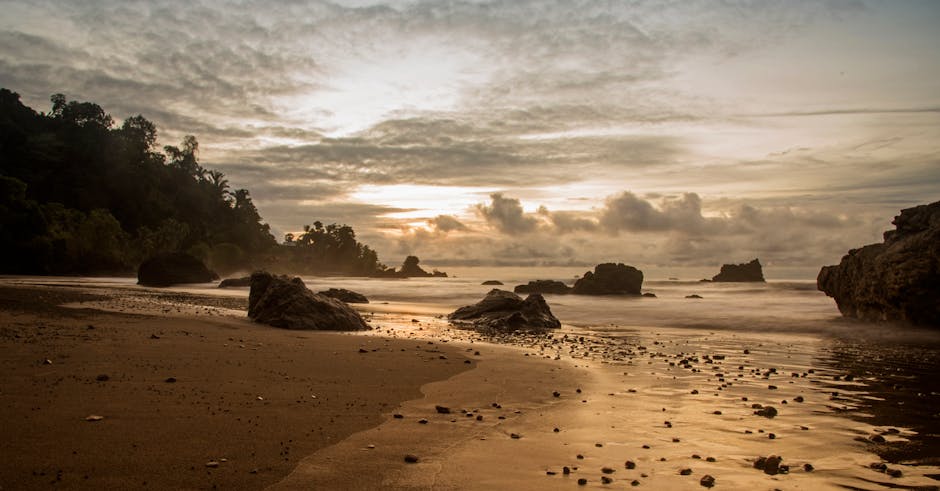
What makes Colombia special is having two distinct surf zones in one country. The Pacific coast gets massive Southern Ocean swells from March through October, creating powerful waves that break over rocky points and black sand beaches. The Caribbean side offers smaller, more consistent waves year-round with clear water and coral reef breaks. Both coasts require some planning to reach the best spots, but the payoff is surfing virtually alone in some of the most beautiful settings on Earth.
The surf scene here is still developing, which means better prices on everything from accommodation to board repairs, plus genuine stoke from locals who are excited to share their breaks with respectful visitors. You'll need to bring your own board or rent from limited local options, and be prepared for basic amenities in exchange for pristine waves and memorable experiences.
Colombia's Epic Pacific Coast Surf Breaks
The Pacific coast delivers Colombia's most powerful surf, with deep-water swells hitting exposed points and river mouths along a coastline that gets less than 50 foreign surfers per year. This is serious wave territory where 8-foot faces are normal during peak season and 15-foot days happen often enough that locals don't even get excited about them.
Playa El Almejal near El Valle stands out as the most accessible world-class break on the Pacific. The wave breaks right over a rocky point with sections that barrel for 50+ meters when conditions align. It's a powerful right-hand point break that handles big swells without closing out, offering multiple sections from the takeoff zone all the way to the beach. The paddle-out is straightforward through a deep channel, but you'll want solid intermediate skills minimum for this spot.
Punta Marzo offers the most consistent waves on the coast, breaking almost daily year-round with offshore winds most mornings. This left-hand point works best at mid to high tide and produces long, workable walls perfect for progressive surfing. The walk down from the village takes 15 minutes through jungle trails, but you'll often have the place completely to yourself.
Pro Tip: Pacific coast swells can jump from 3 feet to 12 feet overnight during peak season. Always check with locals before paddling out, and never surf alone at remote breaks.
The water temperature stays around 26-28°C (79-82°F) year-round, so you'll only need boardshorts and maybe a rashguard for sun protection. Morning sessions offer the cleanest conditions before afternoon onshore winds pick up, typically around 11am.
Caribbean Coast Surfing: Tayrona and Beyond
Colombia's Caribbean coast offers a completely different surf experience, with smaller but more consistent waves, warmer water, and tropical scenery that rivals Bali's beaches. The waves here rarely exceed head-high, making this coast perfect for beginners and intermediate surfers looking to improve their skills in forgiving conditions.

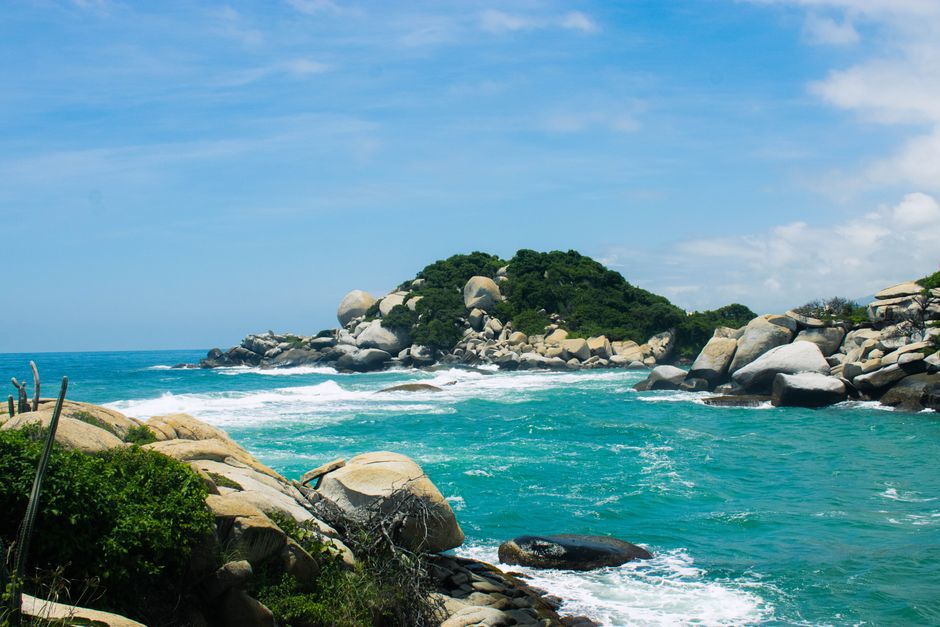
Playa Brava in Tayrona National Park serves up the most reliable surf on the Caribbean side, with consistent 2-4 foot waves breaking over a sandy bottom. The setting is scenic, with massive granite boulders framing the beach and dense jungle extending right to the waterline. You'll need to hike 45 minutes from the park entrance, but this natural filter keeps crowds minimal even during peak tourist season.
The surf works best during December through April when north swells from winter storms in the Atlantic reach Colombia's coast. Waves here break both left and right off a central peak, offering options for different skill levels on the same session.
Playa Cristal near Santa Marta produces smaller, gentler waves perfect for learning. The clear water lets you see the sandy bottom even in shoulder-deep sections, reducing anxiety for newer surfers. Local surf schools operate here during peak season, offering lessons and board rentals at reasonable rates.
- Water temperature: stays around 28-30°C (82-86°F) year-round
- Best conditions: early morning before 9am, glassy surfaces
- Crowd factor: moderate during holidays, empty on weekdays
- Skill level: beginner to intermediate friendly
Nuqui: Colombia's Premier Surf Destination
Nuqui packs everything great about Pacific coast surfing into one accessible destination. This remote town on the Chocó coast offers multiple world-class breaks within walking distance, plus the infrastructure to actually reach them without a full expedition. You'll find consistent waves, decent accommodation options, and the bonus of humpback whale watching during surf sessions from July through October.
The waves around Nuqui break over rocky reefs and points, creating defined peaks that handle big swells without losing their shape. Pico de Loro (Parrot's Beak) stands out as the premier break, offering powerful rights that can hold waves up to 12 feet with perfect offshore conditions most mornings.
What sets Nuqui apart is the supporting infrastructure. You can fly directly from Medellín (45 minutes) instead of enduring overland journeys, and several surf lodges cater specifically to wave riders with board storage, local guides, and flexible meal schedules that work around tide times.
Note: Nuqui gets over 300 days of rain per year, making it one of the wettest places on Earth. Pack accordingly and embrace the tropical storm sessions.
Terco Beach offers the most user-friendly waves in the Nuqui area, with forgiving beach breaks that work at all tide levels. The 20-minute walk from town through jungle trails adds to the adventure, and you'll often encounter howler monkeys and exotic birds on the path to the beach.
The whale watching bonus during peak season creates striking moments when 40-foot humpbacks breach just outside the surf zone. Local guides can time surf sessions around whale activity, letting you experience both activities in single outings.
Best Time to Surf in Colombia (2026 Season Guide)
Colombia's dual coastlines mean you can find quality waves year-round, but timing your visit correctly determines whether you score epic sessions or fight disappointing conditions. The Pacific and Caribbean coasts operate on completely opposite seasonal patterns, so planning becomes crucial for maximizing your surf time.
Pacific Coast Prime Season: March through October 2026
Southern Ocean winter storms generate the largest, most consistent swells during these months, with peak wave heights occurring April through July. This period delivers 6-10 foot waves regularly, with bigger sets during storm cycles. Morning offshore winds create clean conditions almost daily, typically lasting until 10-11am before onshore winds fill in.
- March-April: building swells, excellent weather, fewer crowds
- May-July: peak size and consistency, whale watching season begins
- August-October: still solid swells, rainier conditions, humpback whale migration
Caribbean Coast Prime Season: December 2025 through April 2026
North Atlantic winter storms send swells south during this period, creating the most consistent surf on Colombia's Caribbean coast. Wave heights typically range 2-5 feet with occasional larger sets during strong storm cycles. This season also coincides with drier weather and steady trade wind patterns.
The shoulder seasons offer unique advantages. November and May can produce excellent surf on both coasts when swell windows overlap, though weather becomes less predictable. Advanced surfers often target these transition periods for larger, less crowded waves.
Pro Tip: Follow surf forecasting sites like Surfline or Magicseaweed for Colombia-specific predictions. Local knowledge from surf shops in Nuqui and Santa Marta provides the most accurate short-term forecasts.
El Valle and Bahia Solano: Quieter Pacific Spots
While Nuqui gets most of the surf tourism attention, El Valle and Bahia Solano offer equally impressive waves with even fewer crowds and more authentic local culture. These neighboring towns on the Chocó coast provide access to multiple breaks that see maybe 10 foreign surfers per year, creating opportunities for completely solo sessions at world-class waves.
El Valle sits perfectly positioned to catch every Pacific swell, with the famous Playa El Almejal producing some of Colombia's best waves just a 15-minute walk from town. The right-hand point break handles anything from 4-12 feet, offering long rides that can stretch over 200 meters on good days. The take-off requires solid skills, but once you're up and riding, the wave provides multiple sections for turns and cutbacks.
The town itself maintains an authentic fishing village feel with basic but clean accommodation and local restaurants serving fresh seafood. Casa de Huéspedes El Valle offers simple rooms for around $25 USD per night as of 2026, with the owners providing local surf information and tide charts.
Bahia Solano serves as the jumping-off point for multiple surf breaks accessible by short boat rides or jungle hikes. Playa Mecana produces consistent left-hand waves over a rocky bottom, working best during mid to high tide periods. The 30-minute boat ride from Bahia Solano costs around $15 USD per person and includes stops at multiple breaks depending on conditions.
Both destinations offer biodiversity beyond just surfing. The surrounding rainforest holds over 300 bird species, making these spots perfect for surfers interested in Colombia's mountain adventures and wildlife observation between surf sessions.
Getting to Colombia's Surf Spots: Transportation Guide
Reaching Colombia's best surf breaks requires more planning than typical beach destinations, but the logistics aren't as complicated as they might seem. Most spots involve domestic flights plus short ground transport, with total travel times under 4 hours from major Colombian cities.
Pacific Coast Access:
Flying into Nuqui airport provides the most direct access to Pacific coast surf. Daily flights from Medellín take 45 minutes and cost $80-120 USD as of 2026. Satena Airlines operates the most reliable service, with morning departures that get you surfing by afternoon. The small planes (19 passengers max) can't fly in heavy rain, so build flexibility into your schedule.
For El Valle and Bahia Solano, fly into Bahia Solano airport instead. Same airlines and similar costs, with ground transport to El Valle taking 45 minutes by local bus or mototaxi for around $5 USD.
Caribbean Coast Access:
Santa Marta serves as the main hub for Caribbean coast surfing. Direct flights from Bogotá take 90 minutes ($60-100 USD), with multiple daily departures on Avianca and Latam. From Santa Marta, local buses reach Tayrona National Park in 45 minutes for $3 USD, or hire private transport for $25 USD.
Warning: Overland routes to Pacific coast destinations involve 8+ hour journeys through remote areas with security concerns. Flying is strongly recommended for safety and time efficiency.
Board Transport:
Colombian airlines allow surfboards as sporting equipment for $30-50 USD each way, with size limits of 9'6" maximum. Pack boards carefully, as handling can be rough at smaller airports. Several surf shops in Nuqui and Santa Marta rent boards ranging from $15-25 USD per day, though selection is limited to standard shortboards and a few longboards.
Surf Culture and Local Tips in Colombia
Colombian surf culture blends laid-back Caribbean vibes with Pacific coast intensity, creating a welcoming scene for respectful visitors while maintaining strong local traditions. Understanding basic etiquette and cultural norms enhances your experience and builds positive relationships with local surfers who can share knowledge about conditions, safety, and breaks.
Local Surf Etiquette:
Colombian lineups follow standard international surf etiquette with some local variations. Respect local knowledge about conditions and hazards, as many breaks have specific dangers not obvious to visitors. Locals often surf with minimal equipment and know how to handle challenging situations that might overwhelm unprepared tourists.
- Share waves generously, especially at breaks with small local scenes
- Ask before surfing new spots, particularly near fishing villages
- Help with beach cleanups when organized by local groups
- Learn basic Spanish phrases for surf-related conversations
Safety Considerations:
Colombia's remote surf locations require extra safety awareness compared to more developed surf destinations. Never surf alone at isolated breaks, and always inform someone of your plans and expected return time. Strong currents and rocky bottoms create serious hazards at many Pacific coast breaks.
The security situation has improved dramatically in surf areas over recent years, but basic precautions remain important. Avoid displaying expensive equipment in town, use hotel safes for valuables, and stick to recommended areas after dark.
Local surf shops and guides provide essential services including equipment rental, break information, and safety guidance. Building relationships with these businesses supports the local economy while improving your surf experience through insider knowledge.
Where to Stay Near Colombia's Best Surf Breaks
Accommodation options near Colombia's surf spots range from basic hostels to dedicated surf lodges, with most places catering to the adventure travel crowd rather than luxury tourists. The remote locations mean fewer amenities but more authentic experiences and direct access to uncrowded waves.
Pacific Coast Accommodation:
El Cantil Ecolodge in Nuqui offers the best combination of surf access and comfort, with oceanfront rooms, board storage, and knowledgeable staff who provide daily surf reports. Rates start around $80 USD per night including meals, with package deals available for longer stays. The lodge organizes boat trips to different breaks based on conditions and guest skill levels.
For budget options, Hostal Nuqui provides basic but clean rooms for $25 USD per night, with shared bathrooms and common areas where surfers exchange break information. The location puts you within walking distance of town breaks while keeping costs minimal.
In El Valle, Posada del Valle offers simple accommodation for $35 USD per night including breakfast, with the owners providing local surf guidance and equipment storage. The walking distance to Playa El Almejal makes dawn patrol sessions effortless.
Caribbean Coast Options:
Near Tayrona National Park, Ecohabs inside the park provide unique accommodation in traditional thatched huts just steps from surf breaks. Rates start at $120 USD per night including park entry, with the premium justified by the prime location and eco-friendly design that fits into the natural environment.
Casa Verde Hotel in Santa Marta serves budget-conscious surfers with dormitory beds from $15 USD and private rooms from $40 USD. The hostel atmosphere creates opportunities to connect with other surf travelers and organize group trips to different breaks along the coast.
Most accommodations near surf breaks offer meal packages that make sense given the remote locations and limited restaurant options. Fresh seafood dominates menus, with local specialties like coconut rice and plantains providing energy for long surf sessions. Many places also arrange early breakfast times that align with optimal surf conditions and tide schedules.
The combination of Colombia's powerful Pacific swells and consistent Caribbean breaks creates a surf destination that rewards adventurous travelers with world-class waves and authentic experiences. You'll chase barrels at Nuqui or learn fundamentals at Tayrona, Colombia's diverse surf scene offers something special that you won't find at more crowded destinations like the epic surf breaks in Fiji or South Africa's surf breaks. Just remember to respect the local culture, prioritize safety in remote locations, and prepare for an adventure that extends far beyond just catching waves.
Common questions
- 01 When is the best time to surf Colombia's Pacific coast?
- The Pacific coast's prime season runs March through October 2026, with peak wave heights of 6-10 feet from April through July as Southern Ocean winter storms generate the largest, most consistent swells.
- 02 How do you get to Nuqui for surfing?
- You can fly directly from Medellin to Nuqui in about 45 minutes instead of enduring overland journeys, and several surf lodges near the breaks offer board storage and local guides.
- 03 Are Colombia's surf spots crowded?
- Most breaks see fewer than 20 surfers even on busy days, and the Pacific coast gets less than 50 foreign surfers per year, so you can often have a spot like Punta Marzo entirely to yourself.
- 04 How warm is the water for surfing in Colombia?
- The Pacific coast stays around 26-28C (79-82F) year round, while the Caribbean side is warmer at about 28-30C (82-86F), so boardshorts are enough on either coast.

