Villages
Best Villages in Papua New Guinea 2026: Authentic Cultural Experiences
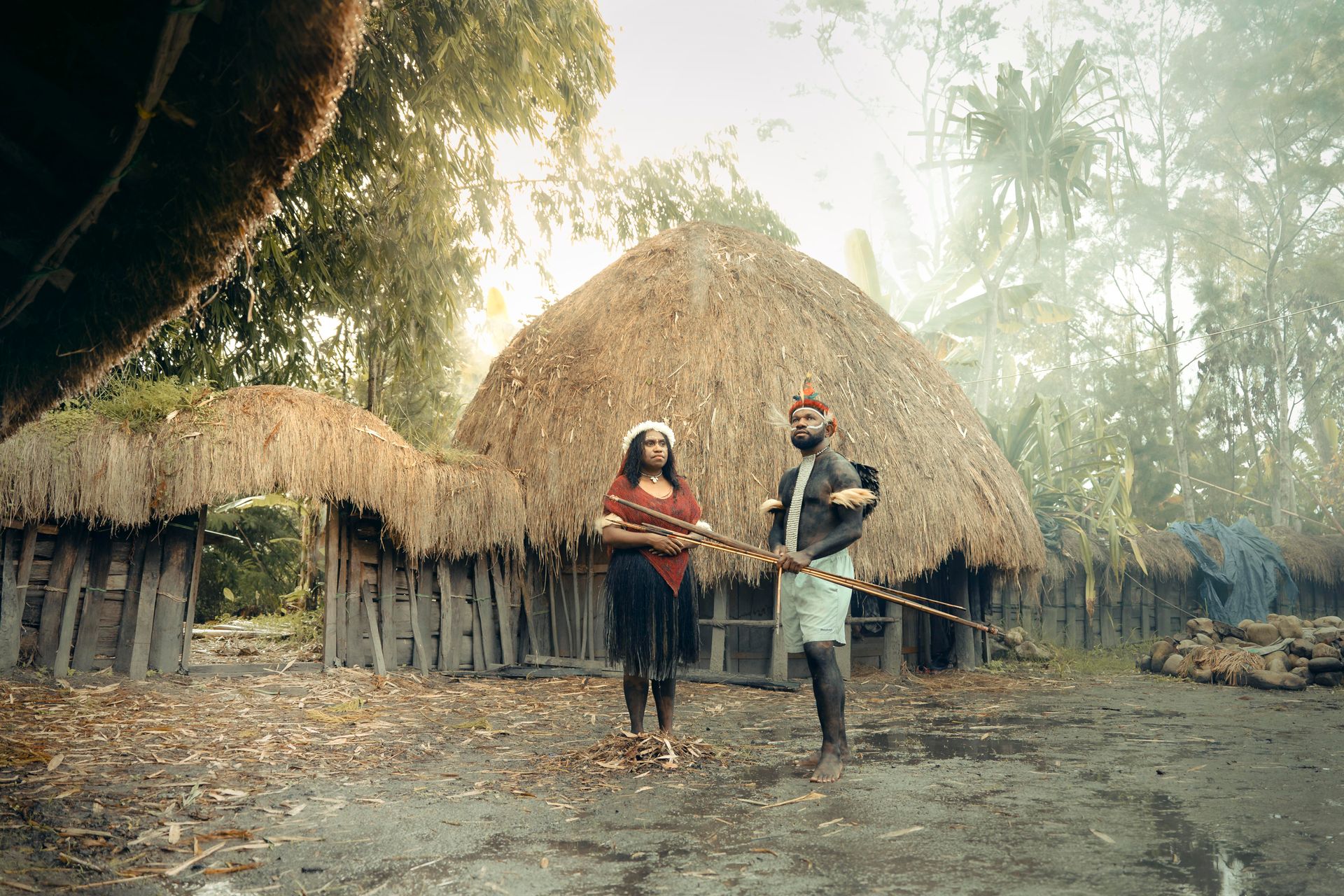
Papua New Guinea packs more cultural diversity into one country than almost anywhere else on Earth, with over 800 indigenous languages spoken across its rugged islands and highlands. You'll find traditional villages where ancient customs remain completely intact, from matrilineal societies in the Trobriand Islands to master woodcarvers along the Sepik River...
-
01 / Verified & updated
June 2026
-
02 / Region
Villages
-
03 / Read time
13 min
Papua New Guinea packs more cultural diversity into one country than almost anywhere else on Earth, with over 800 indigenous languages spoken across its rugged islands and highlands. You'll find traditional villages where ancient customs remain completely intact, from matrilineal societies in the Trobriand Islands to master woodcarvers along the Sepik River, all wrapped up with some of the warmest hospitality you'll encounter anywhere in the Pacific.
What sets Papua New Guinea apart from other cultural destinations is the sheer authenticity of village life here. Unlike many tourist-oriented cultural sites, PNG villages operate according to traditions that stretch back thousands of years, and your visit becomes part of ongoing community life rather than a staged performance. The country's challenging geography has actually protected these cultures from outside influence, creating pockets of tradition that offer genuine insights into pre-colonial Melanesian life.

The village experience in PNG goes far beyond simple sightseeing. You'll participate in daily activities like sago palm processing, witness traditional ceremonies that have been performed for generations, and learn craft techniques passed down through family lines. Most villages welcome visitors as part of community-based tourism programs that directly benefit local families while preserving cultural practices.
Why Papua New Guinea Villages Offer Unmatched Cultural Authenticity
Papua New Guinea's village cultures remain largely unchanged because of geographic isolation and strong traditional governance systems that have resisted outside pressure. The country gained independence only in 1975, making it one of the world's newest nations, and many villages still operate under customary law alongside the modern legal system.
The linguistic diversity tells the story best. With over 800 languages in a country smaller than Spain, each village cluster has maintained distinct cultural practices, art forms, and social structures. This isn't museum-piece culture preserved for tourists, but living traditions that continue to evolve naturally within their own frameworks.
Pro Tip: The best village visits happen during cultural festivals or market days when you can observe traditional practices in their natural context rather than arranged demonstrations.
Unlike authentic cultural village experiences in more developed tourist destinations, PNG villages operate on their own schedules and priorities. This means you'll need flexibility in your travel plans, but it also guarantees genuine interactions rather than choreographed cultural shows.
The village economies still largely function through traditional exchange systems like the kula ring in the Trobriands or elaborate bride price negotiations in the highlands. Money plays a secondary role to reciprocal relationships, land rights, and social obligations that have governed these communities for centuries.
Trobriand Islands: Traditional Matrilineal Communities
The Trobriand Islands offer one of the world's few remaining matrilineal societies, where inheritance and clan membership pass through the mother's line. This creates a completely different social dynamic than most cultures, with women holding significant economic and political power within traditional structures.
Kiriwina Island serves as the cultural center, where you can visit villages like Omarakana, the traditional seat of paramount chiefs. The village layout reflects social hierarchy, with the chief's yam house (bwema) at the center and family compounds arranged in careful patterns that reinforce clan relationships and social status.
Yam cultivation dominates village life, particularly during harvest season (May through July) when communities compete to display the largest and most perfect yams in elaborate storage houses. These aren't just agricultural displays but complex social statements about family wealth, gardening skill, and community standing.
- Kula expeditions - witness traditional trading voyages in outrigger canoes that connect islands across hundreds of kilometers
- Harvest festivals - participate in yam competitions and traditional dances that celebrate agricultural success
- Craft workshops - learn traditional weaving and wood carving from master artisans in family workshops
- Storytelling sessions - evening gatherings where elders share oral histories and traditional knowledge
Village stays typically cost around $50-80 USD per day including meals and basic accommodation in traditional leaf houses. Most families speak some English alongside Kiriwinian, making communication easier than in other parts of PNG.
Sepik River Villages: Masters of Traditional Art and Carving
The Sepik River region produces some of Papua New Guinea's most sophisticated traditional art, with village specialists creating ceremonial masks, shields, and carvings that are sought after by museums and collectors worldwide. The river itself serves as the highway connecting dozens of villages, each with distinct artistic traditions and cultural practices.

Ambunti and Angoram serve as jumping-off points for village visits, but the real cultural experiences happen in smaller settlements like Korogo, Kanganaman, and Yentchen. These villages maintain traditional men's houses (haus tambaran) decorated with elaborate carvings and ancestral spirits that form the center of ceremonial life.
The crocodile scarification ceremony remains one of the most significant cultural practices, where young men undergo traditional marking to represent their spiritual connection to crocodile ancestors. While tourists cannot participate, some villages allow respectful observation during ceremony seasons (typically dry season from May to October).
Art creation happens as community activity rather than individual expression. Carvers work in groups, passing down techniques through extended apprenticeships that can last decades. You can observe this process in workshop areas and even commission pieces directly from artists, though expect to wait weeks or months for completion.
Note: River travel requires careful planning as water levels fluctuate dramatically between wet and dry seasons, affecting village accessibility and transportation costs.
Most Sepik village visits include river transportation, village tours, craft demonstrations, and overnight stays for around $100-150 USD per day. This covers dugout canoe transport, guide services, and village guest house accommodation.
Highland Villages: Coffee Culture and Sing-Sing Festivals
The Papua New Guinea highlands contain some of the country's most visually dramatic villages, perched on mountain ridges and valley floors between 1,500 and 2,800 meters above sea level. Coffee cultivation has become central to highland village economies while traditional practices like elaborate festivals and exchange ceremonies continue to define social life.
Mount Hagen and the Wahgi Valley region offer the easiest access to traditional highland villages, where you can participate in coffee harvesting (April through September) and witness the entire process from cherry picking to traditional drying methods that produce some of the world's finest arabica beans. The mountain terrain here rivals that found in New Zealand's mountain regions, though with distinctly Melanesian cultural traditions.
Sing-sing festivals represent the peak of highland cultural expression, with different villages hosting elaborate multi-day celebrations featuring traditional dancing, music, and ceremonial exchanges. The Mount Hagen Cultural Show (typically held in August) brings together dozens of cultural groups, but smaller village festivals offer more intimate experiences.
- Coffee farm stays - work alongside families during harvest season and learn traditional processing techniques
- Pig festivals - witness elaborate ceremonial exchanges that can involve hundreds of pigs and maintain inter-village relationships
- Traditional markets - browse weekly markets where villages trade coffee, vegetables, and handicrafts using both money and barter systems
- Bilum weaving workshops - learn to create traditional string bags from expert weavers in village cooperatives
Highland village visits cost significantly more than lowland areas due to transportation challenges, typically $150-200 USD per day including 4WD transport, guide services, and village accommodation. The altitude and climate make this region more comfortable for many visitors, with temperatures rarely exceeding 25°C even during the day.
Kokoda Track Villages: History and Hospitality Combined
Villages along the Kokoda Track offer a unique combination of World War II history and traditional Papua New Guinea culture, as local communities served as guides, carriers, and allies for Australian forces during the 1942 campaign. Many villages maintain oral histories of these events alongside their traditional stories.
Kokoda village itself serves as the northern starting point for track walks, but smaller villages like Isurava, Eora Creek, and Efogi offer deeper cultural experiences. Village elders often share stories passed down from grandfathers who participated in the war, creating powerful connections between historical events and ongoing community life.
The village tourism model along the Kokoda Track has developed specifically to support track walkers while maintaining traditional practices. Villages provide porter services, meals, and accommodation that follows customary hospitality traditions adapted for modern trekking needs.
Beyond the historical significance, these villages maintain traditional hunting and gathering practices, subsistence agriculture, and social structures that predate European contact. You can participate in daily activities like garden work, food preparation, and craft production while learning about both ancient traditions and more recent historical experiences.
Warning: Kokoda Track villages require advance booking and government permits. Independent village visits outside organized trek programs are not recommended due to security and logistical challenges.
Kokoda village experiences typically cost $200-300 USD per day as part of organized trek programs, which include porter services, meals, accommodation, and historical interpretation. Shorter village visits without the full track walk can sometimes be arranged through tour operators in Port Moresby.
Milne Bay Province: Coastal Villages and Island Culture
Milne Bay's coastal and island villages offer a different perspective on Papua New Guinea culture, with maritime traditions, fishing practices, and trading relationships that connect communities across hundreds of small islands. These villages have maintained traditional seafaring skills while adapting to modern fishing and diving tourism opportunities, much like island communities in nearby Vanuatu destinations.
Alotau serves as the provincial capital and access point for village visits, but the cultural experiences happen in smaller settlements on islands like Normanby, Fergusson, and the Louisiade Archipelago. These villages combine traditional Melanesian practices with influences from centuries of maritime trade.
Traditional sailing canoes (lagatoi) still transport people and goods between islands, and many villages maintain traditional navigation techniques using stars, currents, and wave patterns. You can learn these skills during extended village stays, particularly on outer islands where traditional knowledge remains strongest.
The diving and snorkeling opportunities around Milne Bay villages are exceptional, with coral reefs and World War II wrecks creating unique combinations of natural beauty and historical significance. Villages often provide guide services for both cultural activities and marine exploration.
Like other coastal village experiences around the world, Milne Bay communities have learned to balance traditional practices with tourism opportunities, creating sustainable models that benefit local families while preserving cultural integrity.
Island village visits in Milne Bay typically cost $80-120 USD per day including boat transport, meals, and basic accommodation. The remote location means supplies are limited, so visitors should expect simple facilities and locally available food options.
Planning Your Papua New Guinea Village Experience
Papua New Guinea village visits require more advance planning than most cultural tourism due to limited infrastructure, weather considerations, and the need to coordinate with community schedules. Most successful village experiences happen through established community tourism programs or reputable tour operators with existing village relationships.
Permits and Documentation: You'll need a valid passport and tourist visa (available on arrival for most nationalities). Some remote areas require additional permits from provincial governments, particularly border regions and areas with mining or logging activities. Your tour operator should handle permit requirements, but verify this before booking.
Transportation: Internal flights connect major towns, but village access often requires small boats, 4WD vehicles, or walking. Flight schedules change frequently due to weather and mechanical issues, so build flexibility into your itinerary. Charter flights to remote areas can cost $500-1000 USD per person.
Accommodation: Village accommodation ranges from traditional leaf houses to simple guest houses with basic amenities. Expect pit toilets, shared washing facilities, and limited electricity. Most villages can accommodate dietary restrictions with advance notice, but vegetarian and vegan options may be limited.
- Best time to visit: Dry season (May through October) offers easier transportation and more predictable weather
- Health preparations: Malaria prophylaxis is essential for lowland areas, plus routine vaccinations and travel insurance
- Communication: Mobile coverage exists in larger villages, but expect to be offline in remote areas
- Banking: Bring sufficient cash (PNG kina) as ATMs are rare outside major towns and cards aren't accepted
Budget around $150-300 USD per day for organized village experiences, depending on remoteness and included services. Independent village visits are possible but require extensive local contacts and cultural knowledge to arrange respectfully.
Cultural Etiquette and Responsible Village Tourism
Papua New Guinea village cultures operate according to complex social rules that govern everything from appropriate dress to gift-giving protocols. Understanding these expectations ensures respectful interactions and meaningful cultural exchange rather than awkward misunderstandings.
Gift-Giving Customs: Most villages appreciate practical gifts like school supplies, basic medicines, or tools rather than money or expensive items. Avoid giving individual gifts to children without parent permission, as this can create social problems. Instead, bring gifts for the entire community like soccer balls, educational materials, or medical supplies for the village aid post.
Photography Etiquette: Always ask permission before photographing people, particularly during ceremonies or in traditional dress. Some cultural practices are considered sacred and shouldn't be photographed at all. Offering to share printed photos on return visits is greatly appreciated.
Appropriate Dress: Conservative clothing is essential, with covered shoulders and knees required in all village contexts. Bright colors and synthetic materials are fine, but avoid revealing clothing or military-style garments that might be misinterpreted.
Pro Tip: Learn basic greetings in Tok Pisin (Papua New Guinea's lingua franca) before arriving. Simple phrases like "gutpela moning" (good morning) and "tenk yu tumas" (thank you very much) show respect for local culture.
Responsible village tourism means understanding that you're entering someone's home and community, not a tourist attraction. Participate in daily activities when invited, but don't expect constant entertainment or programming. The most meaningful experiences often happen during quiet moments of shared work or casual conversation.
Safety Considerations: Village areas are generally safe for visitors, but political tensions between tribes or clans can occasionally affect travel plans. Stay informed about current conditions and always travel with reputable local guides who understand regional dynamics.
Environmental Impact: Villages often struggle with waste management, so minimize packaging and take all non-biodegradable waste with you. Bring reusable water bottles and purification tablets rather than buying bottled water in villages.
The village tourism experience in Papua New Guinea offers some of the world's most authentic cultural encounters, but it requires patience, flexibility, and genuine respect for traditional ways of life. When approached with the right attitude, these visits create lasting connections that benefit both visitors and communities while preserving cultural traditions for future generations.
Is it safe to visit traditional villages in Papua New Guinea? Village areas are generally safe with proper precautions and local guides, though political tensions can occasionally affect some regions. Travel with reputable operators and stay informed about current conditions.
Do I need special permits to visit Papua New Guinea villages? Most villages require only a standard tourist visa, but some remote or border areas need additional provincial permits. Your tour operator should handle permit requirements.
What should I bring as gifts when visiting PNG villages? Practical items like school supplies, basic medicines, or tools work better than money or expensive goods. Bring community gifts rather than individual presents to avoid social problems.
How much does it cost to visit traditional villages in Papua New Guinea? Organized village experiences range from $80-300 USD per day depending on remoteness and included services, covering accommodation, meals, guides, and transportation.
What languages are spoken in Papua New Guinea villages? Most villages speak local languages plus Tok Pisin (the national lingua franca), with some English in tourist-oriented communities. Learn basic Tok Pisin phrases to show respect.
Can I stay overnight in Papua New Guinea traditional villages? Yes, many villages offer overnight stays in guest houses or traditional accommodations, typically arranged through community tourism programs or tour operators with established village relationships.
Common questions
- 01 How many languages are spoken in Papua New Guinea?
- Papua New Guinea has over 800 indigenous languages, a number attributed to its rugged islands and highland terrain. This linguistic diversity means each village cluster has maintained its own distinct cultural practices and art forms.
- 02 What makes the Trobriand Islands culturally unique?
- The Trobriand Islands are one of the world's few remaining matrilineal societies, where inheritance and clan membership pass through the mother's line. Kiriwina Island is the cultural center, home to villages like Omarakana, the traditional seat of paramount chiefs.
- 03 How much does a village stay cost in Papua New Guinea?
- Village stays in the Trobriand Islands typically cost around 50 to 80 USD per day, including meals and basic accommodation in traditional leaf houses. Sepik River village visits cost around 100 to 150 USD per day, covering dugout canoe transport, guide services, and guest house accommodation.
- 04 When is the best time to witness traditional cultural practices in these villages?
- The best village visits happen during cultural festivals or market days, when traditional practices can be observed in their natural context rather than arranged demonstrations. In the Trobriand Islands, yam harvest season runs from May through July, while Sepik crocodile scarification ceremonies typically occur during the dry season from May to October.
Heads up: some links in this article are partner links, so we may earn a small commission at no extra cost to you. Learn more.

