
Landscapes
Best Waterfalls in Madagascar 2026: Rainforest Falls to See
Madagascar's waterfalls barely show up on Instagram. This 2026 guide covers Ranomafana, Andasibe-Mantadia, Isalo, and Ankarana so you plan a real waterfall route, not a lemur-only trip.

Madagascar's waterfalls barely show up on Instagram, and that's exactly why they're worth the effort. You won't find crowds jockeying for a photo spot or a ticket line snaking around a viewing platform. Most of these falls sit inside national parks that get a fraction of the visitors East Africa's big safari circuits pull in, so you're often standing there with just your guide and the sound of water hitting rock.
As of July 2026, Madagascar still isn't set up for easy waterfall-hopping. Roads are rough, infrastructure is thin, and a lot of the best cascades require a real hike to reach. That's the trade-off. If you want a quick roadside waterfall selfie, this isn't your itinerary. If you want rainforest, canyon, and jungle waterfalls that most travelers never see, keep reading.
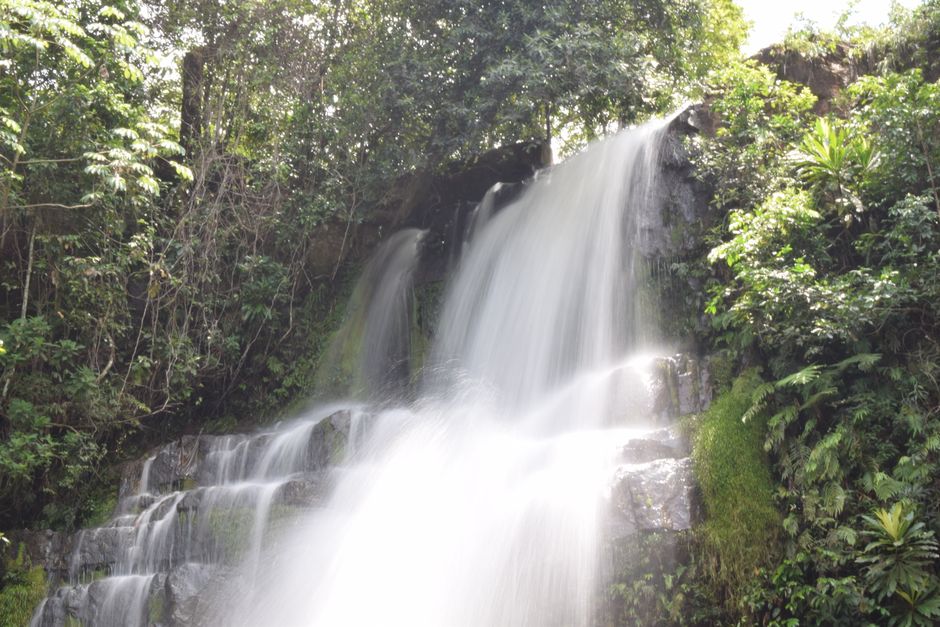
Why Madagascar's Waterfalls Are Still a Secret
Madagascar's tourism story has always been about lemurs and baobabs, and honestly, that's fair. The wildlife and the Best Things to Do in Madagascar 2026: A Complete Travel Guide will tell you the same thing. But waterfalls got left out of the marketing because they're harder to sell. You can't guarantee a lemur sighting on Instagram the way you can promise a photogenic falls, yet somehow the falls are the ones nobody talks about.
Part of it is access. Madagascar's road network is notoriously slow going, RN7 included, and a lot of the best cascades sit a few kilometers off the main tracks down dirt paths that turn to mud in the wet season. Part of it is that park rangers and guides tend to steer first-time visitors toward the wildlife trails where indri lemurs call and chameleons hide in the leaf litter. Waterfalls get mentioned almost as an afterthought, a nice bonus on the way back to the trailhead.
That's changing slowly as more travelers ask specifically for waterfall routes, but for now you're still ahead of the curve if you plan around them.
Ranomafana National Park: Rainforest Waterfalls
Ranomafana is where Madagascar's waterfall game is strongest. The park sits in the eastern rainforest belt, and the terrain drops steeply toward the Namorona River, which means water moving fast over granite ledges everywhere you look. The Cascade Namorona, right near the park entrance, is the easiest one to reach. You can see it from a roadside viewpoint without even buying a park permit, though you'll want the permit anyway for the trails.
Inside the park, the Andriamamovoka circuit and the Vohiparara trails weave past smaller cascades tucked into the rainforest canopy. These aren't the thundering, wide-mouthed falls you'd see in a tourism brochure. They're narrower, mossier, and honestly more atmospheric because you're walking through primary rainforest to get to them, past golden bamboo lemurs and a genuinely absurd number of frog species.

Ranomafana town itself has thermal springs too, which pairs nicely with a muddy day of waterfall hiking. Budget half a day minimum for the falls circuit, a full day if you want to combine it with lemur tracking.
Is Ranomafana Worth It Just for Waterfalls?
Yes, even without the lemurs. The rainforest setting alone makes the hike worthwhile, and the fact that you're sharing the trail with maybe a handful of other visitors instead of a tour bus crowd is reason enough.
Andasibe-Mantadia National Park Falls
Andasibe gets visited mostly for the indri, Madagascar's largest lemur species and the one with the eerie, wailing call that carries for kilometers through the forest. But the Mantadia sector, the more remote northern half of the park, has waterfalls worth building a morning around.
The trails here are steeper and less trafficked than the Andasibe side, which means a bumpier 4x4 ride in but a quieter forest once you're there. Small cascades drop through the Mantadia rainforest along several of the marked circuits, and the humidity and canopy cover make the whole area feel noticeably wilder than Ranomafana.

Most people base themselves in Andasibe village, about 3-4 hours east of Antananarivo by road, and day-trip into Mantadia with a hired 4x4 since the park road isn't reliably passable in a regular car. Ask your guide about combining a dawn indri-tracking walk with an afternoon Mantadia waterfall loop. It's a long day but it covers both of Madagascar's biggest eastern draws at once.
Isalo National Park's Canyon Pools and Cascades
Isalo is a completely different landscape from the eastern rainforest parks, and that's what makes it worth the detour. Sandstone canyons carved over millions of years hide natural swimming pools fed by small cascades, the kind of scenery that looks more like the American Southwest than tropical Madagascar.
The Piscine Naturelle, a natural pool inside a canyon with a modest waterfall feeding it, is the most popular stop and genuinely swimmable. The water's cool, a relief after hours of hiking exposed canyon trails in the sun. Nearby, the Cascade des Nymphes offers a similar setup with a bit more privacy since fewer tour groups make it that far.
- Piscine Naturelle, roughly a 3-4 hour round trip hike, moderate difficulty, and the most reliable swimming spot in the park.
- Cascade des Nymphes, a longer detour off the main canyon trail, worth it if you want fewer people around.
- Canyon des Singes and Canyon des Rats, shorter walks with pools but less dramatic waterfall flow outside the wet season.
Isalo sits along RN7, Madagascar's main tourist corridor, which makes it one of the more accessible parks on this list logistically, even if the hiking itself is tough in the heat.
Ankarana and the Far North's Hidden Cascades
The far north doesn't get nearly the visitor numbers of the RN7 corridor, and Ankarana National Park is proof of what you're missing. This is limestone tsingy country, all jagged pinnacles and underground rivers, and the waterfalls here feel genuinely undiscovered because so few travelers make it this far north.
Small cascades appear along river gorges within the park, often reached via longer, more technical hikes than anything in Isalo or Ranomafana. You'll want a local guide here more than anywhere else on this list, partly for navigation and partly because the karst terrain has real hazards, sinkholes and unstable rock included.
Warning: Ankarana's tsingy terrain is sharp and unstable in places. Never wander off marked trails, and always hike with a licensed park guide.
Getting to Ankarana usually means flying into Diego Suarez (Antsiranana) and driving south, or combining it with a longer overland trip through the north. It's remote enough that most general Madagascar itineraries skip it entirely, which is exactly why the waterfalls here still feel like a discovery rather than a checklist item.
Best Time of Year to See the Falls at Full Flow
Madagascar's wet season runs roughly November through March, and that's when every waterfall on this list is at its most dramatic. The trade-off is muddy trails, leech season in the eastern rainforest parks, and a higher chance of cyclone disruption on the east coast between January and March.
April through June gives you a solid middle ground. The falls are still running strong from the wet season runoff, but trails have dried out enough to hike comfortably. By August through October, the dry season, flow drops noticeably, especially in Isalo where some cascades reduce to a trickle. You'll still get decent water in Ranomafana and Andasibe since the eastern rainforest holds moisture longer than the south and west.
If waterfall volume matters more to you than comfort, aim for April or May. You get post-wet-season flow without full monsoon conditions.
Getting There: Routes, Guides, and Park Permits
Every national park in Madagascar requires a paid entry permit plus a mandatory local guide fee, and these are non-negotiable even for experienced hikers. Rates change periodically, so check the official Madagascar National Parks (MNP) website for current pricing as of July 2026 rather than trusting a number you saw in an old blog post.
Ranomafana and Isalo both sit along or near RN7, Madagascar's main paved route connecting Antananarivo to the south, making them the easiest to combine into one overland trip. Andasibe-Mantadia is a straightforward 3-4 hour drive east of the capital. Ankarana is the outlier, requiring a flight to Diego Suarez or a multi-day drive through the north.
Pro Tip: Book your guide through the park office or a registered local operator, not through unlicensed touts who approach you at the entrance gate. Licensed guides know current trail conditions and river levels.
A 4x4 with driver is worth the extra cost almost everywhere outside the RN7 corridor. Public transport, taxi-brousse, exists but adds hours and unpredictability to already long travel days.
Other Landscapes to Pair With a Waterfall Trip
Waterfalls are one piece of a much bigger Madagascar landscape puzzle. The Avenue of the Baobabs near Morondava is the obvious pairing, those centuries-old trees lined up against a sunset sky are worth the detour even though it's a separate region from most of the waterfall parks.
If canyon scenery hooked you at Isalo, the Tsingy de Bemaraha further north has even more dramatic limestone formations, though it's a serious logistical undertaking to reach. And if you're building a broader landscape-focused trip around Madagascar, it's worth comparing notes with how other destinations structure multi-region itineraries, like the trekking routes covered in Best Mountains in Nepal 2026: Trekking Guide or the island-hopping logic in Best Islands in Thailand 2026: Travel Guide, since the same principle of anchoring around 2-3 regions instead of scattering everywhere applies here too.
For travelers comparing Madagascar against other big landscape countries before booking, Top Things to Do in Morocco 2026: A Complete Travel Guide and Top Things to Do in Peru 2026: A Complete Travel Guide follow a similar structure of pairing dramatic natural scenery with cultural stops.
FAQ: Madagascar Waterfalls
What is the most beautiful waterfall in Madagascar?
Most travelers rank the cascades inside Ranomafana National Park highest, largely because of the rainforest setting surrounding them. Isalo's Piscine Naturelle is the strongest competitor if you value swimmability over rainforest atmosphere.
Can you swim in Madagascar's waterfalls?
Yes, particularly in Isalo, where the Piscine Naturelle and Cascade des Nymphes are specifically set up as swimming spots. Ranomafana and Andasibe's pools are colder and less commonly used for swimming, though it's possible at some.
Which national park has the best waterfalls in Madagascar?
Ranomafana has the most waterfalls concentrated in one park, but Isalo offers the most swimmable, photogenic canyon pools. It depends whether you want rainforest cascades or canyon scenery.
Is Ranomafana worth visiting for its waterfalls?
Yes. Even setting aside the lemurs, the rainforest waterfall trails justify a half or full day on their own.
What is the best month to visit Madagascar's waterfalls?
April or May, right after the wet season ends, gives you strong water flow with drier, more manageable trails.
Do you need a guide to visit waterfalls in Madagascar's national parks?
Yes, guides are mandatory in every Madagascar national park, and it's a park entry requirement, not just a recommendation. Book through the official park office or a registered operator.
Heads up: some links in this article are partner links, so we may earn a small commission at no extra cost to you. Learn more.


