5 min
Cost of a Trip to Uzbekistan 2026: Realistic Daily Budget Guide
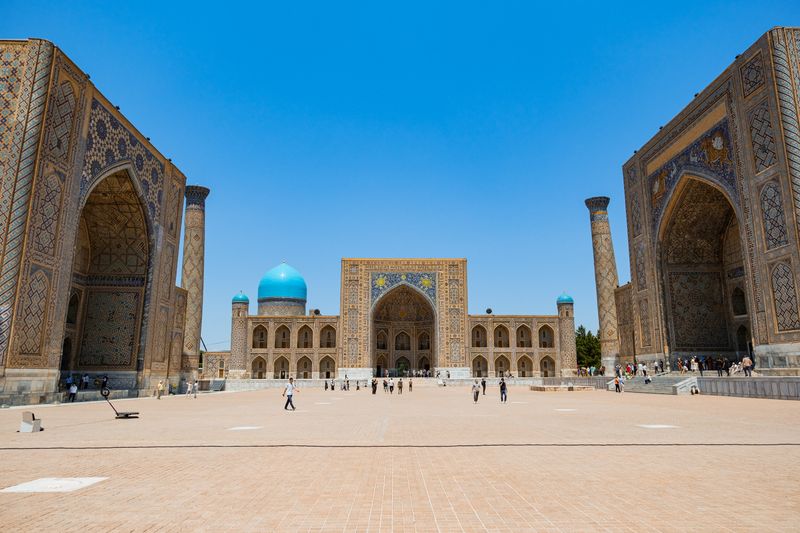
Travelers on a mid-range budget can explore Silk Road monuments, family guesthouses, and high-speed trains for roughly 45-120 USD per day as of 2026.
follow a little thread
All the notes filed under Travel Tips. Pick a page and see where it takes you.

Travelers on a mid-range budget can explore Silk Road monuments, family guesthouses, and high-speed trains for roughly 45-120 USD per day as of 2026.
A foreign solo traveler spends roughly 150 to 200 USD on entry fees alone for a 5 to 7 day Sri Lanka heritage circuit covering the Cultural Triangle, Kandy, and Galle. The Cultural Triangle Round Ticket at roughly 42-58 USD saves roughly 34-46 USD versus single tickets.
A mid-range daily budget in Norway runs about roughly 1,000-1,400 NOK per day in 2026.
Visiting Jordan's castles in 2026 costs 2-3 JOD per site, but buying the roughly 59-81 JOD Jordan Pass waives visa fees and covers entry to Amman Citadel, Ajloun, and Kerak.
Blarney Castle admission costs roughly 18-26 EUR online, while state-managed sites like the Rock of Cashel charge 8 EUR. An OPW Heritage Card drops total sight costs.
Latvia is an affordable destination in 2026. A mid-range daily budget of roughly 100-150 EUR covers hotels, meals, and local transit across the country.
Vietnam remains an affordable destination in 2026. A mid-range traveler should budget between 60 and 100 USD per day for comfortable accommodation and local dining.
Visiting Japanese castles in 2026 costs between 600 JPY and 3,000 JPY per ticket, depending on dual-pricing rules, keep access, and garden combo passes at Himeji, Osaka, and Nijo.
Scotland castle entry fees range from free coastal ruins to 28 GBP gate tickets for Edinburgh Castle, with regional passes offering multi-site savings.
Spanish castle entry fees in 2026 range from 6 EUR for ruins to 25 EUR for the Alhambra. Plan for combined passes and online booking to save on costs.
Visiting Poland's castles in 2026 requires a budget for both entry fees and long-distance travel, with major sites like Malbork costing up to 100 PLN for full access.
Giza's plateau ticket skips pyramid interiors entirely, and Karnak's evening light show is a separate 900 EGP ticket most first-timers never see coming.
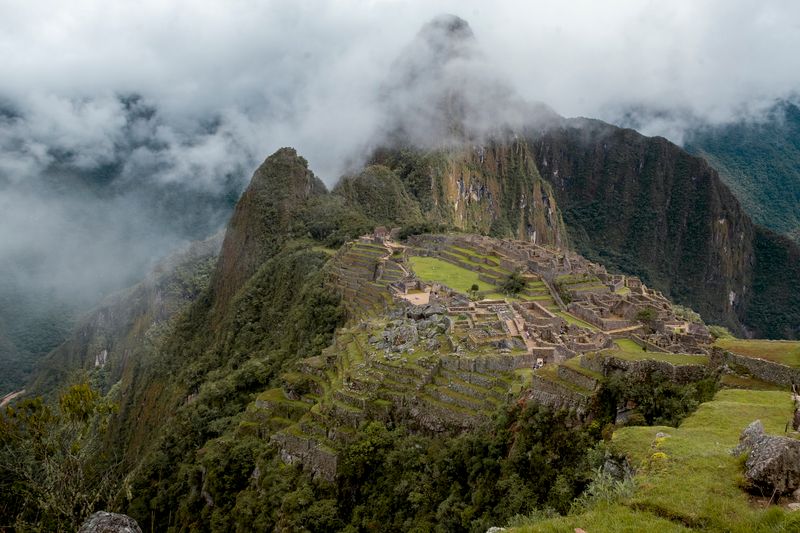
A foreign adult Machu Picchu entry ticket runs about S/152 ($41), but add Huayna Picchu, a guide, and the Ollantaytambo train and your real one-day total climbs past $190.
A backpacker day in Madagascar runs about 70,000 to 110,000 Ariary once a taxi-brousse fare and a park guide fee stack on top of food and a bed.
A budget camp night in South Luangwa runs $30 to $60, while an all-inclusive lodge in the same park hits $500 to $900 per person, and that gap is basically Zambia's entire pricing story.
Four Estonian castles, four separate ticket systems, and no combo pass between them. Rakvere's hands-on medieval exhibits run about 12-14 EUR, the priciest of the bunch as of October 2026.
A shell of kava at a Port Vila nakamal runs 100 to 200 VT, making it one of the cheapest nights out in the entire South Pacific.
Neuschwanstein's combo ticket with Hohenschwangau runs about €31 as of October 2026, and that's before the €3.50 shuttle or parking near Hohenschwangau village.
Palamidi's 857 steps lead to an 8 euro ticket, while Monemvasia's entire castle costs nothing to enter as of October 2026, just a pricier bus ride from Athens.
A beach bungalow at the same Bora Bora resort runs 35,000 to 55,000 XPF a night, about half the overwater rate, as of October 2026.
A three-night Amazon lodge stay alone can run $450 to $700 per person once flights to Manaus are factored in, more than a week on Brazil's Northeast coast.
A two-tank diving day in Koror runs $150 to $200, and the mandatory Pristine Paradise fee often gets bundled straight into your airfare.
Six Canadian castles, six different pricing systems. Rideau Hall is free while Casa Loma's tower add-on alone runs $10 to $15 CAD on top of general admission.
Non-regional visitors pay roughly $100 USD a night in Bhutan's Sustainable Development Fee, separate from hotels, guides, and food. Here's what a 7-day trip actually adds up to as of October 2026.
Pernstejn only lets you in on a guided tour, and skipping that detail is how travelers blow their Moravia castle budget by lunchtime.
Karlštejn's Tour 2, which takes in the Great Tower and the Chapel of the Holy Cross, costs 640 CZK for adults aged 25-64 and needs advance booking. Check which parts of Prague Castle are free with the Prague Castle administration.
Albania is often sold as the last cheap spot in Europe, and as of October 2026, that mostly holds true. But the country is changing fast.
Most people imagine the Namib Desert as a place where you just throw money at a luxury lodge and wait for a driver to take you to the dunes.
Most travelers to Egypt spend their time fighting crowds at the Giza Pyramids or cruising the Nile, but the real soul of the country lies in the silence of the Sahara.
Most people visiting this archipelago stick to the main hubs, but the real appeal of São Tomé and Príncipe is the silence you find when you leave the paved roads.
Short answer: you can get by on $30 to $50 USD a day if you are comfortable with basic guesthouses and local eateries, but most solo travelers find $60 to $110 USD a more realistic target as of.
Short answer: you can survive on $35 to $50 USD a day if you stick to hostels and street food, but most travelers find $70 to $120 USD a more realistic mid-range target as of September 2026.
A land-based Galapagos day runs $120 to $200 versus $50 to $90 on the mainland, which is why most travelers underbudget their trip by hundreds of dollars.
A mid-range 4-day San Pedro de Atacama trip runs about $412 USD in September 2026, once you factor in El Tatio's park fee and a rest day for altitude.
US travelers on Support for the Cuban People routes pay roughly $100-120 USD for the tourist card, while connections through Mexico or Panama often run $20-30 USD instead.
Sezibwa Falls sits 25 km from Kampala on paved roads with no guide needed, while Murchison Falls squeezes the entire Nile through a 7 meter gap after a 5-6 hour drive north.
Nosy Be's Fascene Airport gets you to Andilana Beach the same afternoon, while Anakao requires a $30-40 USD speedboat from Toliara just to reach the sand.
A beach fale on Upolu runs $35-70 USD a night with meals included, cheaper than almost anything comparable in Fiji, though the Auckland flight alone can top $750 NZD as of September 2026.
Fiji's visitor permit gives most passport holders four months on arrival, free, with no application needed. But officers still check your onward ticket and passport validity before stamping you in.
Blyde River Canyon runs 26 km long and drops 800 meters, smaller than the Grand Canyon's 1,800 meter depth but greener and easier to cover in a single day trip.
A guided Kokoda trek runs USD $1,800 to $2,800 as of September 2026, and Varirata National Park gets you real rainforest an hour from Port Moresby with no permit needed.
Kalambo Falls drops 235 meters near Mbala, ranking as Africa's second-highest single-drop waterfall behind Angel Falls. Zambia's Devil's Pool typically reopens by late August through December.
Nauyaca's main pool is the only one of Costa Rica's big falls deep enough to actually swim laps in, and it costs $10-15 USD plus transport from Dominical to reach it.
Doubtful Sound cruises run $280 to $320 NZD with the Manapouri and Wilmot Pass transfers included, roughly triple Milford's day-trip price as of September 2026.
Marksburg is the only Rhine castle never destroyed, which makes it the best pick for an intact medieval interior, torture chamber included, and it's an easy walk from the Braubach train stop.
Ovalau guesthouses run $15-25 USD a night while Mamanuca resorts hit $100-180 a day. Here's how Kadavu, Taveuni, and Ovalau actually compare for cost and logistics in 2026.
Yakel entry on Tanna runs $16-$33 USD with a guide, while Ekasup near Port Vila costs closer to $45. Naghol land-diving on Pentecost only happens mid-April through early June, so August visitors should plan a return trip.
Huayna Potosí runs $100 to $180 USD for a guided two-day summit, making it the world's most climbed 6,000m peak for first-timers as of 2026.
Navala's chiefs require every building to stay a thatched bure, and a village homestay there runs roughly $50-120 FJD a night including meals, as of 2026.
Nyungwe's canopy walk connects hilltop trails 50 meters up, while Kigali's Mount Kigali climb needs zero park permit, just good shoes and an early start.
Palermo splits into Soho and Hollywood, and mixing them up is the most common booking mistake in Buenos Aires. This breaks down which barrio actually fits your trip, plus where the Sunday antiques fair on Defensa Street runs eight blocks.
Playa Grande in Mar del Plata sits at 12-18°C year-round and rarely gets crowded, unlike Peru's famous points. This guide breaks down which Argentine coast towns suit beginners versus who should skip straight to Patagonia's cold-water points.
South Africa skips the visa entirely for US, UK, and EU passports, giving 90 days visa-free, but there's no visa on arrival for anyone else, only e-visa or embassy routes.
Water off Swakopmund sits at 12-16°C year-round thanks to the Benguela current, and Sandwich Harbour requires a guided tour, no self-drive allowed.
A mid-range week in Peru lands around $1,244 once you add the Machu Picchu train, ticket, and Sacred Valley tour, not counting your international flight.
Kenya's eTA runs $34 USD as of August 2026, cheaper than the old $51 visa it replaced, but EAC citizens still cross visa-free under regional agreements.
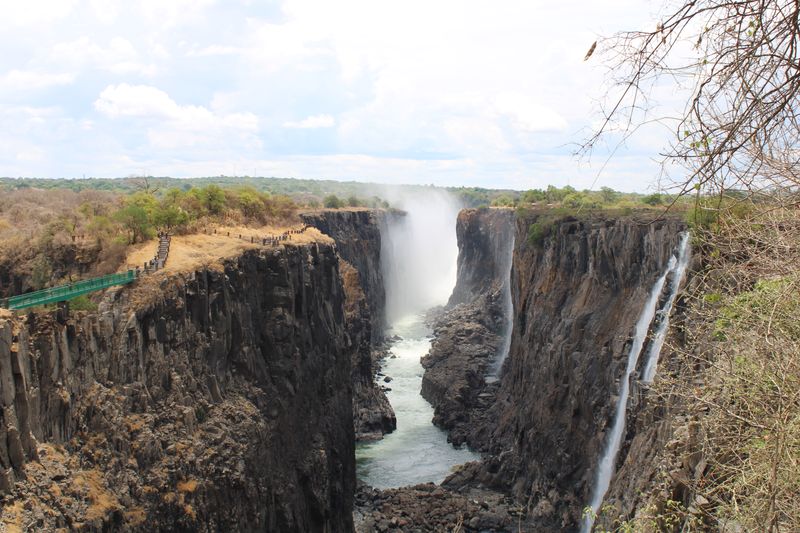
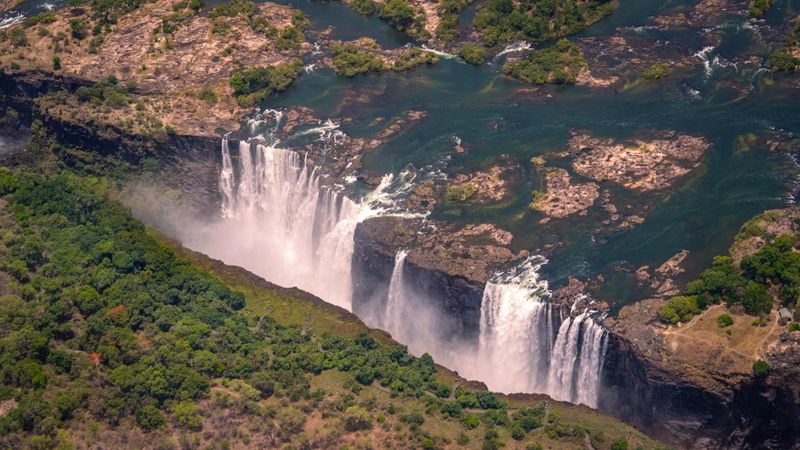
The KAZA univisa covers Zambia, Zimbabwe, and Kazungula day trips into Botswana for about $50 USD, cheaper than buying separate visas if you're crossing the Victoria Falls Bridge.
South African passports get 30 days visa-free in Mozambique, but US, UK, and EU travelers need an e-visa or VOA costing roughly $30 to $85 USD as of August 2026.
Namibia's 90 day visa exemption covers US, UK, EU, and most Commonwealth passports, but the fee for on arrival or e-visa applicants changes by nationality, so confirm it on the Ministry of Home Affairs site first.
Most Western passports skip the visa entirely and get 90 days in Botswana, but a handful of nationalities need an e-visa through the official government portal first.
Czechia's 90-day Schengen allowance is shared across 29 countries, not reset by hopping borders, and the EU's Entry/Exit System is now scanning fingerprints at first crossing instead of stamping passports.
Laos splits travelers into three lanes: ASEAN passports walk in free for 14 to 30 days, everyone else pays $30 to $42 USD for an e-visa or VOA covering a 30-day stay.
Croatia's 90-day Schengen clock now shares with every other Schengen country you visit, not a separate Croatia-only tally. Here's how the math actually works, plus what ETIAS changes for US and UK travelers in 2026.
Taiwan's 90-day exemption covers US, UK, and most EU passports, but you still have to file the free TWAC arrival card before Taoyuan immigration will wave you through.
South Korea's K-ETA runs about 10,000 KRW and covers most tourists for 30 to 90 days depending on nationality, no visa required unless you're working, studying, or staying long term.
A Cambodia tourist visa runs $30 to $36 USD whether you go e-visa or arrival, but only evisa.gov.kh is the real government portal, everything else is a markup.
A basic Blue Lagoon entry runs about 9,990 ISK and a week in Iceland can cost anywhere from 160,000 to 515,000 ISK depending on whether you hostel it or rent a car.
Bled, Ljubljana, and Predjama castles cost between 35 and 70 euros in entry fees alone, and the real budget swing comes from transport choices, as of July 2026.
Madagascar's waterfalls barely show up on Instagram. This 2026 guide covers Ranomafana, Andasibe-Mantadia, Isalo, and Ankarana so you plan a real waterfall route, not a lemur-only trip.
Estonia castles look close on a map, but they get messy if you treat every fort as equal. Some are UNESCO walls you walk in an afternoon.
Georgia towns look close on a map, but they get messy if you treat every stop as equal. Some make strong sleep bases. Others work better as day trips.
Montenegro canyon trips look compact on a map, but they get messy if you treat every gorge as equal. Some deliver sheer walls and real rafting.
Belize trips look easy on a map, but they get messy if you show up without a plan for safety, cash, weather, and how you will hop between cayes and the mainland.
Faroe Islands trips look simple on a map, but they get expensive fast if you wing it. Flights, rooms, rental cars, and weather all matter more here than on a typical city break.
Uzbekistan delivers the Silk Road in 2026 with tiled mosques, walkable old cities, and fast trains between Samarkand, Bukhara, and Khiva.
Albania is one of the easiest Balkan trips to love in 2026, but it works best when you show up with realistic expectations.
As of July 2026, Guatemala offers a unique blend of culture, history, and natural beauty, making it a notable destination in Central America.
As of July 2026, Cuba remains a premier destination for travelers seeking a mix of beaches, culture, and history.
As of July 2026, Mongolia remains a premier destination for trekkers and adventure seekers, offering a mix of diverse mountain ranges, rich cultural experiences, and spectacular landscapes.
As of July 2026, Bhutan remains a premier destination for trekkers and adventure seekers, offering a mix of diverse mountain ranges, rich cultural experiences, and spectacular landscapes.
As of July 2026, Nepal remains a premier destination for trekkers and adventure seekers, offering a mix of diverse mountain ranges , rich cultural experiences , and spectacular landscapes .
As of July 2026, Thailand is a top travel destination, offering a mix of coastal beauty, historical landmarks, and unique cultural experiences.
As of July 2026, Sri Lanka is a top travel destination, offering a mix of coastal beauty, historical landmarks, and unique cultural experiences.
Mexico City gets much easier once you stop thinking of it as one giant map and start picking the right base.
Bangkok gets easier the second you stop treating it like one giant blur and start picking the right base. Stay near the wrong station, and you waste time in traffic.
Brazil's coastline stretches over 4,600 miles along the Atlantic Ocean, offering diverse and spectacular beaches that range from urban hotspots to secluded tropical hideaways.
Madagascar, the world's fourth-largest island, offers unique biodiversity, varied landscapes, and a culture found nowhere else on earth.
Visit Machu Picchu and the Amazon in 2026. Learn how to handle Cusco's altitude and find the best Ceviche in Lima with our practical, no-BS guide to Peru.
Erg Chebbi's dunes hit 150 meters near Merzouga, about a 9 hour drive from Marrakech or 5 to 6 from Fez, and picking the right departure city changes your whole desert itinerary.
Glacier National Park's 7-day vehicle pass runs $35 as of September 2026, and that's just one piece of planning a USA trip across cities, coasts, and small towns like Asheville.
Geirangerfjord's two-hour fjord cruise runs about 590 NOK as of September 2026, and you can cover Norway's best fjords by rental car and ferry without booking a single cruise ship cabin.
Neuschwanstein tickets are timed-entry only and sold at the Hohenschwangau counter, not the castle itself, with combo pricing for Hohenschwangau as of August 2026. Linderhof's Venus Grotto tour runs separately and draws far fewer crowds.
A one-night Ha Long Bay cruise beats any day trip, and the Hai Van Pass drive between Hue and Hoi An is worth doing by car instead of the tunnel.
A guesthouse night on Maafushi runs $30 to $70 as of August 2026, and the public ferry from Male costs as little as $2. Skip the resort and a week still delivers the same turquoise water.
Malaysia splits into two land masses, and most first-timers only budget for one. Here's how to fit Petronas Towers, Batu Caves, George Town, and Borneo's orangutans into a single realistic itinerary.
The Matterhorn Glacier Paradise cable car climbs to 3,883 meters, the highest cable car station in Europe, and it's just one stop on a route through Lauterbrunnen's 72 waterfalls and Chillon Castle.
Shibuya hits you like a sensory overload the moment you step off the train. You'll find yourself in the middle of Tokyo's most electrifying district where 3.
Maya Bay is open in 2026 under strict eco-rules. Foreign adult entry costs roughly 400-500 THB in cash, swimming is banned, and the bay closes every August and September.
Scooter crashes and monkey scratches, not muggings, are what actually put Bali visitors in clinics. Rabies has circulated on the island since 2026, so any bite needs same-day care.
Japan consistently ranks among the safest travel destinations globally, with crime rates that make most visitors feel comfortable walking alone at night.
Planning a trip to Japan can feel overwhelming with so many questions about visas, transportation, cultural norms, and practical logistics.