
Villages
Best Villages in Fiji to Visit in 2026: Real Culture, No Resorts
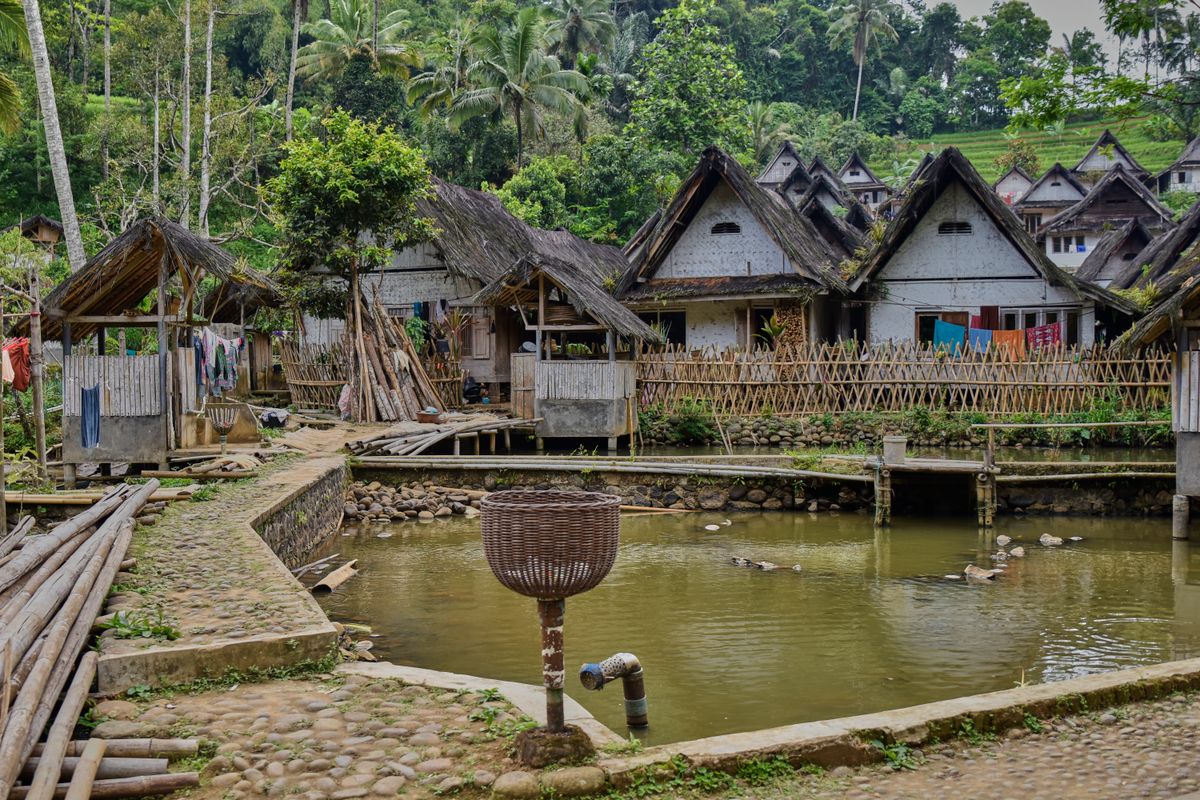
Navala's chiefs require every building to stay a thatched bure, and a village homestay there runs roughly $50-120 FJD a night including meals, as of 2026.

-
01 / Verified & updated
August 2026
-
02 / Primary transit
Navala is approximately 2.5 hours drive from Nadi, via Lautoka and Ba
-
03 / Region
Villages
-
04 / Read time
10 min
Every resort brochure in Fiji shows you the same thing: an infinity pool, a private beach, a guy in a bula shirt bringing you a cocktail. None of that is Fiji. Fiji is a village of forty people sharing one kava bowl on a Tuesday night, a grandmother weaving a mat she'll sell for $30, kids running barefoot to the rugby field after school. If you fly in, stay on a resort island, and fly out, you've seen a beach. You haven't seen the country. Here's how to actually visit a Fiji village, do it respectfully, and not screw up the etiquette that every listicle skips, as of August 2026.
Why Visit a Real Fiji Village Instead of Staying in the Resort Bubble
Fiji's resort islands, the Mamanucas, the Yasawas, most of Denarau, are built around a very specific fantasy: you, alone, on white sand, with zero interaction with actual Fijians beyond staff. That's a fine vacation. It's just not Fiji culture. Roughly 87% of Fijians live in communal village structures governed by a chief and a set of customs that predate any resort by centuries.
Villages run on a completely different rhythm than the tourist zones. Land is communally owned (called iTaukei land), decisions get made through the chief and village council, and daily life still revolves around church, farming, and fishing. You won't get that from a swim-up bar. You get it by showing up, presenting a gift, and sitting on a woven mat while someone hands you a coconut shell of kava.
This isn't about "authenticity tourism" for its own sake. It's the difference between a photo of Fiji and an actual memory of it. If you want more of the outdoor side too, our guide to the Best Surf Spots in Fiji 2026: Ultimate Guide to Epic Breaks pairs well with a village stop since a lot of the best breaks sit near villages that control access to the reef.
The Best Fiji Villages That Welcome Visitors in 2026
Not every village wants or allows visitors, and you shouldn't just wander into one uninvited. These are the ones with an established track record of hosting guests, either through tourism operators or homestay networks:
- Navala, in the Ba highlands on Viti Levu: the only village in Fiji where every single building is still a traditional thatched bure, by local bylaw. It's the most photographed village in the country for good reason, and it's approximately 2.5 hours drive from Nadi (via Lautoka and Ba).
- Levuka, on Ovalau Island: Fiji's old colonial capital and a UNESCO World Heritage town. It's more of a historic town than a traditional village, but the surrounding settlements still run on village customs and it's a great base for day trips to nearby communities.
- Kioa Island, off Vanua Levu: settled by Polynesians from Vaitupu, Tuvalu, in 1947. Unique double culture (Tuvaluan and Fijian), and one of the more organized homestay setups in the country.
- Nubutautau, in the Sigatoka Valley highlands: remote, reachable mostly by 4WD and river crossing, and known for a formal 2003 reconciliation ceremony tied to Fiji's missionary history. Heavy stuff, but the village welcomes respectful visitors.
- Nakabuta, near Sigatoka: a pottery village where women still hand-make traditional Fijian clay pots using techniques passed down for generations. Easy day trip from the Coral Coast.
Skip any village that isn't on a recognized homestay list or tour itinerary. Just showing up without an invitation or a booked visit puts you and the village in an awkward spot, and it's genuinely disrespectful to iTaukei protocol.
Sevusevu and Kava Ceremony Etiquette: What First-Time Visitors Get Wrong

Sevusevu is the formal gift-giving ritual you do before entering any village. You bring a bundle of waka (dried kava root, sold at markets in Nadi and Suva for around $10-20 FJD) and present it to the chief or a designated village elder, who accepts it on behalf of the community. This is not optional and it's not a photo op. It's literally how you get permission to be there.
Here's what tourists screw up constantly:
- Bringing the wrong kava. You need whole, unprocessed waka root, not the powdered stuff from a souvenir shop. Ask a local market vendor specifically for sevusevu-grade kava.
- Not sitting properly. Sit cross-legged on the mat, never with your feet pointing at anyone or the chief. Never stand while others are seated during the ceremony.
- Refusing the bowl. When it's your turn for kava (yaqona), clap once, say "bula" before drinking, drink the whole cup in one go, then clap three times after. Refusing outright is rude, but if you genuinely can't drink it, a small sip and a clear explanation works.
- Touching someone's head. The head is considered sacred in Fijian culture. Never touch anyone's head, including kids, no matter how cute the moment feels.
Pro Tip: If you're on an organized tour, the guide usually handles sevusevu for the whole group with one shared kava bundle. If you're visiting independently or doing a homestay, you bring your own and present it yourself, ideally with the homestay host or driver translating.
How to Book a Fiji Village Homestay (and What to Expect)
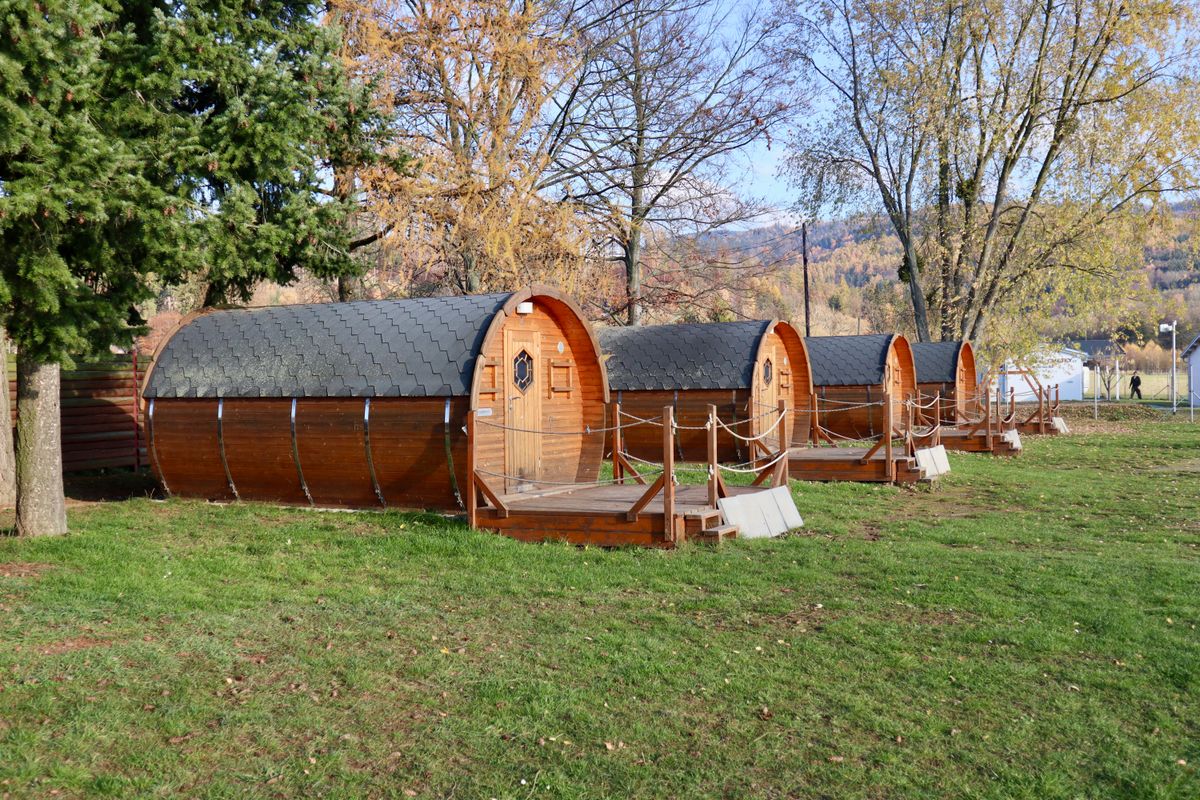
Village homestays run through a few channels: community-run tourism cooperatives (Nabalasere and Namuamua villages both have established ones), NGO-backed programs like South Sea Cruises' village partnerships, or independent operators who work directly with a specific village. Booking blind by showing up isn't a thing here, arrangements go through a coordinator who knows the family rotation and the household that's hosting that week.
Costs vary a lot by village and what's included, so treat any number here as a rough range rather than gospel: expect somewhere around $50-120 FJD per person per night for a bed, meals, and a village orientation, as of 2026. That's roughly $22-53 USD. Always confirm current pricing directly with the operator or village cooperative, since these are small community-run setups and rates shift.
A typical night looks like: arrival and sevusevu in the afternoon, a home-cooked dinner (usually fish, cassava, and lovo-cooked meat if there's a celebration), an evening kava session with the family, and a simple room in a bure or a family home. Mornings often include a walk to the farm or a demonstration of weaving, fishing, or pottery depending on the village's specialty. Bring cash, most villages have no card payment option and the nearest ATM might be an hour away.
Cultural Village Tours vs. Independent Visits: Which Is Right for You
A guided cultural tour (through operators based in Nadi, Suva, or the Coral Coast) handles sevusevu, transport, and translation for you, usually as a half-day or full-day trip running $80-150 FJD per person. That's the easier route if you're short on time, don't speak Fijian, or feel unsure about protocol.
An independent visit, usually through a homestay booking, gets you deeper access and more time with an actual family, not a group tour bus schedule. It takes more planning (you need to arrange the kava, transport, and often speak with the village coordinator by phone or WhatsApp ahead of time), but it's the difference between watching a ceremony and actually being folded into one for an evening.
If it's your first time in Fiji, do a guided tour to Navala or a similar accessible village first. Once you understand the etiquette, a homestay on a second trip (or later in the same trip) will feel far less intimidating.
Village Dress Code, Photography Rules, and Respectful Behavior
Fijian villages, especially ones with a strong church presence (most of them), expect modest dress. This isn't optional and it's the single most common mistake tourists make.
- No shorts or short skirts for either gender. Sulus (Fijian sarongs) are cheap ($10-15 FJD at any market) and solve this instantly, wear one over shorts or a swimsuit.
- Cover your shoulders. Tank tops are generally fine for women in villages now, but a t-shirt is safer, especially for a formal sevusevu.
- Never wear a hat or sunglasses on your head while walking through the village or during any ceremony. It's considered disrespectful, particularly near the chief's house or during kava.
- Ask before photographing people, especially during a ceremony or inside someone's home. Landscapes and buildings are usually fine without asking.
Yes, wearing shorts or a hat in a village is genuinely seen as disrespectful by most Fijians, it's not a tourist myth. When in doubt, watch what your guide or host is wearing and match it.
Getting to Fiji's Villages: Transport, Costs, and Best Time to Go in 2026
Most villages worth visiting sit outside the Nadi-Denarau tourist corridor, so you'll need a rental car, a private transfer, or a tour operator's van. Renting a 4WD in Nadi runs roughly $70-120 FJD per day depending on the season, check current rates directly with local agencies like Budget Fiji or Avis Fiji since fuel and rental costs have been climbing. Navala, for example, is about a 2 hour drive from Nadi through the Ba highlands, with the last stretch on unpaved road.
For Kioa Island or other Vanua Levu villages, you're looking at a domestic flight to Savusavu or Labasa (around $150-250 FJD one way, prices shift constantly so check Fiji Airways or Northern Air directly) plus a boat transfer.
Best time to go is Fiji's dry season, roughly May through October, when roads to highland villages like Navala and Nubutautau are actually passable. The wet season (November to April) turns unpaved village roads into a genuine problem, and some become inaccessible after heavy rain. If village visits are the priority, book for July or August when things are driest and coolest.
Note: Transport and homestay pricing change often in Fiji's smaller operators. Always confirm current rates with the specific village cooperative or tour operator before you travel, rather than relying on any published figure, including this one.
Frequently Asked Questions
Can tourists visit real villages in Fiji?
Yes, but only villages that are set up for it through a homestay program or tour operator, and always with a sevusevu presentation on arrival. Don't just drive up to a random village uninvited.
What is sevusevu and do I need to bring kava?
Sevusevu is the formal gift of kava root you present to a village chief or elder to request permission to enter. Yes, you need actual waka (kava root), bought at a local market, not a souvenir shop.
How much does a Fiji village homestay cost as of 2026?
Expect roughly $50-120 FJD ($22-53 USD) per person per night including meals, though this varies by village and what's included. Confirm directly with the homestay coordinator.
Is it disrespectful to wear shorts or hats in a Fiji village?
Yes. Cover your legs (a sulu works fine) and never wear a hat or sunglasses on your head while in the village, especially during a ceremony.
Which Fiji village is most famous for traditional thatched houses?
Navala, in the Ba highlands, is the only village in Fiji where local bylaws require every building to be a traditional thatched bure. It's the most visually iconic village in the country.
Do you need a local guide to visit Fiji villages?
Not strictly, but it makes the sevusevu and etiquette far less stressful, especially your first time. Independent homestay bookings usually come with a coordinator who fills that role anyway.
Fiji's beaches will still be there after your resort stay. What you won't get back is the chance to sit in a village on a Tuesday night, share a kava bowl, and actually talk to the people who live there. Book the homestay, bring the kava, wear the sulu, and you'll leave with a version of Fiji almost nobody posts about. Planning a bigger Pacific or Asia loop? Check our guides to the Best Islands in Thailand 2026: Travel Guide or the Best Mountains in Nepal 2026: Trekking Guide for what comes next on the itinerary.
Common questions
- 01 What is sevusevu and do I need to do it?
- Sevusevu is the formal gift-giving ritual done before entering any village, where you present a bundle of waka (dried kava root) to the chief or a designated elder. It is not optional and is literally how you get permission to be in the village.
- 02 How much does a Fiji village homestay cost?
- Homestays cost roughly $50-120 FJD per person per night, which is about $22-53 USD, covering a bed, meals, and a village orientation as of 2026. Guided cultural tours run separately at about $80-150 FJD per person for a half-day or full-day trip.
- 03 Which Fiji villages are open to visitors?
- Villages with an established track record of hosting guests include Navala, Levuka, Kioa Island, Nubutautau, and Nakabuta. The article advises skipping any village not on a recognized homestay list or tour itinerary.
- 04 What should I avoid doing during a kava ceremony?
- Avoid bringing powdered kava instead of whole unprocessed waka root, sitting improperly or pointing your feet at the chief, refusing the kava bowl outright, and touching anyone's head, including a child's, since the head is considered sacred.
Heads up: some links in this article are partner links, so we may earn a small commission at no extra cost to you. Learn more.

