
Budget Travel
Cost of Travel to Brazil in 2026: Realistic Daily Budget Guide
A three-night Amazon lodge stay alone can run $450 to $700 per person once flights to Manaus are factored in, more than a week on Brazil's Northeast coast.

-
01 / Verified & updated
October 2026
-
02 / Base hub
Manaus (gateway airport for Amazon lodges) or Rio de Janeiro's Galeão airport for the coast
-
03 / Primary transit
Rio to Manaus flight runs 4+ hours; domestic hops like Rio to Salvador take about 2.5 hours on LATAM or Gol
-
04 / Verified cost
Backpacker budget $45 to $65/day, mid-range $90 to $140/day, as of October 2026
-
05 / Crowd-free window
Avoid Carnival (February) and New Year's week for lower prices and crowds
-
06 / Region
Budget Travel
-
07 / Read time
9 min
Brazil has a reputation problem. People hear "Rio" and "Amazon" and assume the whole country drains your wallet in a week. It doesn't. As of October 2026, a backpacker can comfortably run a trip through Brazil on $45 to $65 a day, while a mid-range traveler lands closer to $90 to $140. The catch is that Brazil isn't one price zone. Rio costs almost double what the Northeast beaches do, and the Amazon runs on its own economy entirely.
Here's the real breakdown, region by region, so you're not guessing with a currency converter in one hand and a packing list in the other.

How Much Does a Trip to Brazil Cost? The Short Answer
Before the detailed numbers, here's the skimmable version. These are per-person daily totals, as of October 2026, covering lodging, food, local transport, and one paid activity:
- Backpacker: $45 to $65/day. Hostel dorms, street food and lanchonetes, buses, free beaches and walking tours.
- Mid-range: $90 to $140/day. Private rooms or budget hotels, sit-down restaurants, some taxis or ride-share, a couple of paid tours per week.
- Comfort/luxury: $200+/day. Boutique hotels, domestic flights instead of overnight buses, private guides, and splurge dinners in Rio or São Paulo.
Those ranges swing hard depending on where you are. A week in Jericoacoara costs noticeably less than a week in Ipanema, and the Amazon blows every budget tier out of the water because of logistics, not luxury.
Pro Tip: Build your itinerary around 2 to 3 regions max. Domestic flights add up fast, and Brazil is bigger than most people picture on a map, Manaus to Rio is a 4+ hour flight, not a bus ride.
Flights to Brazil: What You'll Actually Pay in October 2026
International flights are usually the single biggest line item. From the US East Coast (Miami, New York), round-trip economy to São Paulo or Rio runs $550 to $900 in low season and climbs past $1,100 around Carnival and New Year's. From the US West Coast, add $100 to $200 for the extra leg.
From Europe, Lisbon and Madrid have the best direct connections, with round-trip fares in the $600 to $950 range as of October 2026. Within South America, hopping over from Buenos Aires, Santiago, or Lima is usually $150 to $350 round trip on LATAM or Gol.
Domestic flights inside Brazil aren't cheap either. A one-way hop like Rio to Salvador runs $70 to $150, and Rio to Manaus (gateway to the Amazon) is typically $120 to $220 one way. Book these 6 to 8 weeks out on LATAM, Gol, or Azul, prices move fast closer to departure.
Rio de Janeiro Cost of Living and Daily Budget Breakdown
Rio runs 20 to 40% higher than the national average, and it's worth planning for that separately instead of averaging it into your whole trip.

- Lodging: Hostel dorms in Copacabana or Ipanema run $18 to $28/night. Mid-range hotels land at $70 to $120/night, as of October 2026.
- Food: A plate at a buffet-by-weight restaurant (comida a kilo) costs $6 to $10. A proper dinner with a caipirinha runs $20 to $35 at a sit-down spot.
- Transport: The metro is about $1.20 a ride. Uber across town rarely tops $8 to $10.
- Attractions: Christ the Redeemer by van and ticket runs roughly $35 to $40, Sugarloaf cable car is around $35. Check official pricing at cristoredentoroficial.com.br since both attractions adjust rates seasonally.
Realistic daily total for Rio: $70 to $100 for mid-range travelers, higher if you're staying beachfront in Ipanema or Leblon.
Amazon Rainforest Trip Costs: Lodges, Tours, and Transport
The Amazon doesn't follow the backpacker/mid-range/comfort math at all. Everything here is bundled, and remoteness drives the price, not luxury level.

Budget jungle lodges near Manaus run $70 to $120 per person per night, all-inclusive with meals and guided excursions. Mid-range lodges with better rooms and more guided activities land at $150 to $250 per night. Multi-day river cruises deeper into the rainforest start around $400 for 3 days, 2 nights.
Add the flight to Manaus (covered above) plus a boat or van transfer to the lodge, often $20 to $50 depending on distance. A realistic 3-night Amazon add-on, flights included, lands around $450 to $700 per person. That's a lot more than three nights anywhere else in Brazil, and it's why most itineraries treat the Amazon as a separate line item rather than folding it into a daily average.
Northeast Beaches Budget: Salvador, Fortaleza, and Bahia Costs
This is Brazil's budget sweet spot. Salvador, Fortaleza, and the beach towns around Bahia run 30 to 50% cheaper than Rio.
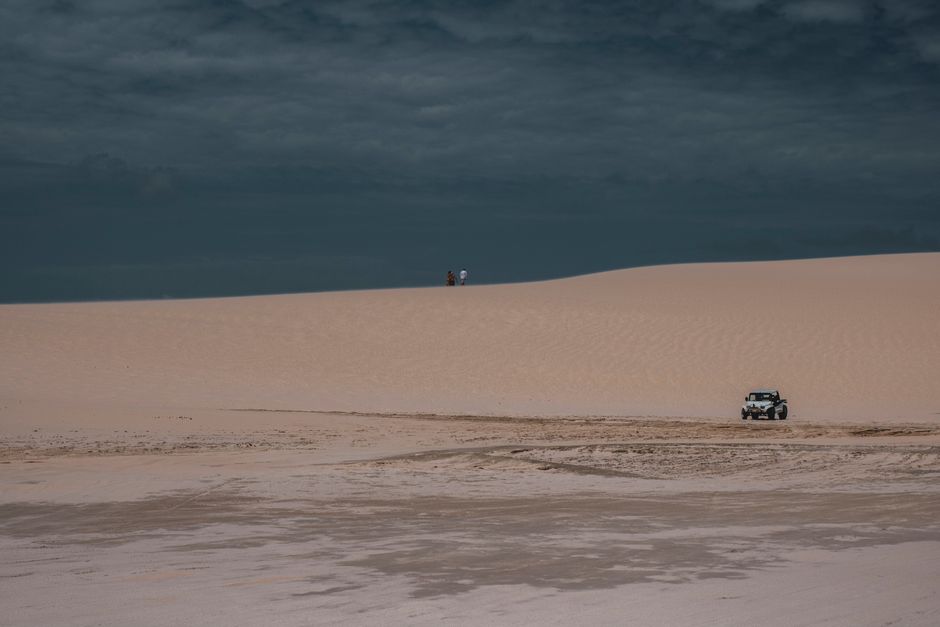
Hostel beds in Salvador's Pelourinho district run $12 to $20/night. In Jericoacoara, a bohemian beach town with no cars on the sand streets, pousadas (small guesthouses) go for $25 to $45/night for a private room. Street food, moqueca by the plate, acarajé from a street cart, tapioca crepes, costs $3 to $7 a meal.
A buggy tour through the dunes around Jeri runs $25 to $40 per person, split among a group. Daily realistic budget here: $40 to $60 for mid-range comfort, which is roughly what backpackers pay in Rio for less.
Accommodation Costs in Brazil: Hostels to Boutique Hotels
Nationwide, here's what to expect across the board, as of October 2026:
- Hostel dorms: $10 to $25/night depending on city and season.
- Budget private rooms/pousadas: $25 to $50/night.
- Mid-range hotels: $60 to $120/night, usually with breakfast included.
- Boutique hotels: $150 to $300/night in Rio, São Paulo, or Trancoso.
Prices spike hard around Carnival (February) and New Year's, sometimes doubling in Rio and Salvador. If you're not traveling for those events specifically, avoid them, you'll save a lot and skip the crowds.
Food and Drink Prices: From Feijoada to Caipirinhas
Brazilian food is one of the better travel values on the continent. A full feijoada (black bean and pork stew, the Saturday lunch tradition) at a casual restaurant runs $8 to $14. A por kilo buffet lunch is $5 to $9 depending on the city.
Street food is where the real savings happen: pão de queijo for $1, a coxinha for $1.50 to $2, and a full açaí bowl for $4 to $6. A caipirinha at a bar or beach kiosk runs $3 to $6, while the same drink at a hotel bar in Rio can hit $10 to $12. Local beer (a long-neck Brahma or Antarctica) is usually $2 to $4.
Pro Tip: Eat your big meal at lunch, not dinner. Por kilo spots and prato feito lunch specials are 30 to 40% cheaper than ordering the same dishes at dinner.
Visa, Insurance, and Hidden Costs Most Guides Skip
US, Canadian, Australian, and UK citizens currently do not need a visa for short tourist stays in Brazil, confirm the current policy on the official Brazilian Ministry of Foreign Affairs site before booking, since entry rules have shifted more than once in recent years.
Other costs that catch people off guard:
- Travel insurance: $40 to $90 for a 2 week trip depending on coverage level and age.
- SIM cards: A prepaid Vivo or Claro SIM with data runs $10 to $20 for a couple weeks of use.
- Tipping: Restaurants usually add a 10% service charge automatically. You don't need to tip extra unless service was exceptional.
- ATM fees: Brazilian ATMs often charge $5 to $8 per withdrawal on top of your bank's fee, so withdraw larger amounts less often.
None of these are huge individually, but skip planning for them and they'll quietly add $100 to $150 to a two week trip.
Brazil rewards travelers who mix regions. Pair one expensive stop like Rio with two cheap ones like Salvador and Jeri, and your average daily cost drops fast.
Brazil Travel Cost FAQs
Is Brazil expensive to visit in 2026?
Not compared to Western Europe or the US. Rio and the Amazon run pricier, but the Northeast coast and most inland cities are genuinely budget-friendly, as of October 2026.
How much money do I need for 2 weeks in Brazil?
Budget travelers can do 2 weeks for roughly $650 to $900 excluding flights. Mid-range travelers should plan for $1,300 to $1,900 for the same period.
Is Rio de Janeiro more expensive than the rest of Brazil?
Yes, Rio runs about 20 to 40% higher than the national average for lodging, food, and attractions, mainly because of its beachfront neighborhoods and tourist demand.
Do US citizens need a visa for Brazil in 2026?
As of October 2026, US citizens do not need a visa for short tourist stays, but double check the current rule on the official Brazilian government site before you book since this has changed in the past.
How much does a caipirinha cost in Brazil?
Expect $3 to $6 at a local bar or beach kiosk, and $10 to $12 at an upscale hotel bar in Rio.
Is it cheaper to travel around Brazil by bus or by plane?
Buses are cheaper for short to medium hops (under 8 hours) and often run overnight to save on a hotel night. For long distances like Rio to Manaus, flying is both cheaper and far faster once you factor in days lost.
Planning other budget trips this year? Check out the 2026 Cost of Travel in Albania: Ultimate Full Daily Budget Guide or the Samoa Travel Cost 2026: A Realistic Daily Budget Breakdown Guide for more region-by-region breakdowns. If South America is on your radar beyond Brazil, the Paraguay Travel Cost 2026: Detailed Budget Breakdown for Your Trip is worth a look too. And if visas are on your mind for other destinations, see Do You Need a Visa for Cuba? Tourist Card Cost & Rules 2026 or Do I Need a Visa for South Korea? K-ETA Cost & Rules for 2026.
Common questions
- 01 Is Brazil expensive to visit in 2026?
- Not compared to Western Europe or the US. Rio and the Amazon run pricier, but the Northeast coast and most inland cities are genuinely budget-friendly, as of October 2026.
- 02 How much money do I need for 2 weeks in Brazil?
- Budget travelers can do 2 weeks for roughly $650 to $900 excluding flights, while mid-range travelers should plan for $1,300 to $1,900 for the same period.
- 03 Is Rio de Janeiro more expensive than the rest of Brazil?
- Yes, Rio runs about 20 to 40% higher than the national average for lodging, food, and attractions compared to regions like Bahia or the Northeast coast.
- 04 Do US citizens need a visa for Brazil in 2026?
- As of October 2026, US citizens do not need a visa for short tourist stays, but it's worth double checking the current rule on the official Brazilian government site before booking.
Heads up: some links in this article are partner links, so we may earn a small commission at no extra cost to you. Learn more.

