
Castles
Cost to Visit Castles in Croatia: Full 2026 Ticket Price Guide
Trakošćan runs about 9 to 10 EUR while Dubrovnik's walls jump to 35 EUR in peak season, and Diocletian's Palace itself costs nothing to wander.

-
01 / Verified & updated
October 2026
-
02 / Base hub
Zagreb (for Trakošćan, Veliki Tabor, Varaždin) or Split/Dubrovnik (for coastal sites)
-
03 / Primary transit
Trakošćan is about 90 minutes from Zagreb by car or bus; Klis Fortress is about 20 minutes from Split
-
04 / Verified cost
Trakošćan around 9-10 EUR, Dubrovnik City Walls around 35 EUR peak / 10-15 EUR off-season, Diocletian's Palace free to walk, Veliki Tabor around 6-7 EUR, Varaždin around 5-6 EUR (as of October 2026)
-
05 / Crowd-free window
Weekday mornings at opening, and shoulder season (May or late September to early October) for lower crowds and off-peak wall pricing
-
06 / Region
Castles
-
07 / Read time
10 min
Croatia's castle prices are all over the map, and most travel blogs just list names and skip the part that actually matters: what you'll pay at the gate. Trakošćan costs a few euros. The Dubrovnik City Walls cost a lot more, and the price swings hard depending on the season. Diocletian's Palace in Split is a hybrid where the "palace" is technically free but almost everything inside it isn't. As of October 2026, here's exactly what to budget, site by site, plus a realistic one-day number you can actually plan around.

How Much Does It Cost to Visit Croatia's Castles in 2026?
Here's the skimmable version before you dive into details. Prices below are per adult, as of October 2026, and you should always double check against the official site since Croatian tourist sites bump prices every season.
- Trakošćan Castle: around 9 to 10 EUR for the museum and grounds, cheaper for students and kids.
- Dubrovnik City Walls: roughly 35 EUR in peak season (April through October), dropping to around 10 to 15 EUR in winter months. Check the official Walls of Dubrovnik site for the current schedule, since this is the single biggest price swing of any Croatian attraction.
- Diocletian's Palace: free to walk through the streets and squares. Individual sites inside (the Cathedral bell tower, the basement halls, St. Domnius treasury) charge separately, usually 4 to 7 EUR each.
- Veliki Tabor Castle: around 6 to 7 EUR.
- Varaždin Old Town (Stari grad): around 5 to 6 EUR for the museum.
Budget travelers can see three or four of these in a single multi-day loop through northern Croatia and the coast for well under the cost of a single day of diving or a guided tour elsewhere in Europe. If you're mapping out a longer multi-country trip, it's worth comparing against somewhere like the 2026 Cost of Travel in Albania: Ultimate Full Daily Budget Guide to see how Balkan pricing stacks up overall, and against a nature-heavy add-on like Best Canyons in South Africa 2026: Blyde River & 6 Underrated Gems if you're chaining castles with a longer outdoor leg.
Trakošćan Castle Entry Fee: What You Get for the Price
Trakošćan sits in northern Croatia, about 90 minutes from Zagreb, and it's one of the most photographed castles in the country for a reason: the lake, the turrets, the forested hillside. It's genuinely worth the detour.
The standard adult ticket runs around 9 to 10 EUR and gets you into the furnished interior (armor, period furniture, portraits) plus the grounds and lake path. Students and children typically pay roughly half, and family tickets knock a bit more off. Check the official Trakošćan Castle museum page before you go, since Croatian museum pricing structures shift year to year.
Hours run roughly 9am to 5pm in the colder months and extend to 6 or 7pm in summer, but these change seasonally, so don't trust an old blog post on this. Is it worth the price? Yes, easily. It's one of the few Croatian castles where the interior collection matches the exterior's reputation.
Pro Tip: Visit on a weekday morning. Trakošćan gets tour bus crowds midday on weekends, and the lake path photos are better without fifty people in frame.
Dubrovnik City Walls Ticket Price: Peak vs Off-Season
This is the one that catches people off guard. The Dubrovnik City Walls aren't a castle exactly, they're a 1,940-meter fortification loop around the Old Town, but everyone lumps them into "castle" searches and the pricing deserves its own breakdown because it moves so much.

In peak season (roughly April through October), expect to pay around 35 EUR per adult. That's steep by Croatian standards, and it has climbed noticeably in recent years as Dubrovnik leans harder on tourism revenue. In the off-season (November through March), the price drops sharply, often to the 10 to 15 EUR range, because far fewer people want to walk an exposed stone wall in winter wind.
- Buy skip-the-line online through the official Walls of Dubrovnik portal rather than a street vendor or third-party reseller, who often mark up 20 to 30%.
- Go at opening (usually 8am in summer) to beat both the heat and the cruise ship crowds that flood in by mid-morning.
- Walk counterclockwise from the Pile Gate entrance for the best early light on the harbor side.
Is the Dubrovnik City Walls ticket worth the price? For a first visit, yes. It's the one Croatian attraction where the view genuinely matches the reputation, and there's no substitute angle for free. Just don't buy a second day pass unless you're a serious photographer chasing different light.
Diocletian's Palace Split Cost: What's Free vs What You Pay For
This confuses almost everyone planning a Split trip. Diocletian's Palace isn't a single building with a ticket booth. It's an entire living neighborhood, a Roman-era complex that's been continuously inhabited for over 1,700 years, with shops, apartments, and cafes built right into the ancient walls.
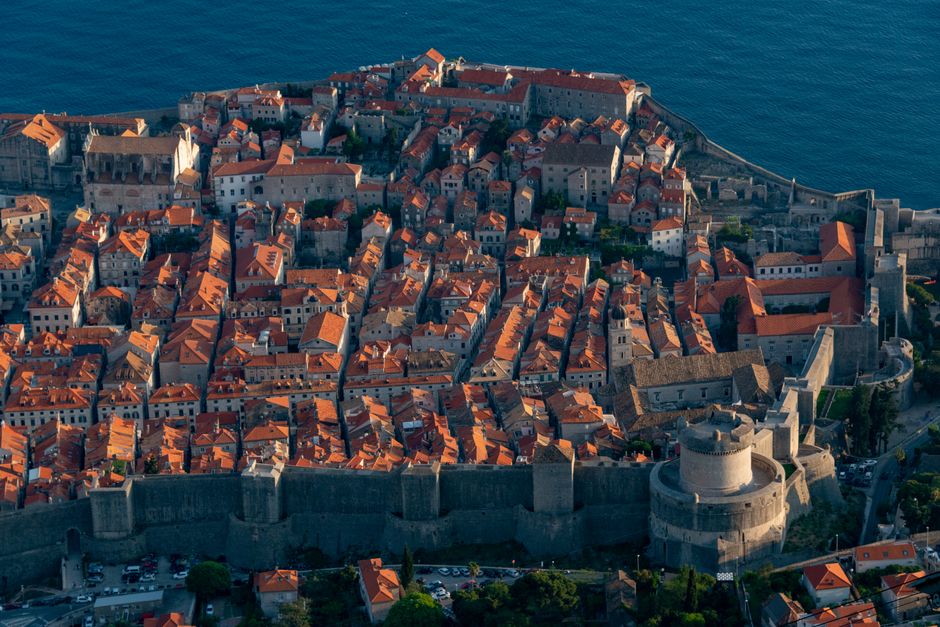
Walking through the streets, the Peristyle square, and the open courtyards costs nothing. That's the headline most people miss. You can wander for hours without pulling out a wallet.
Where the costs show up is the specific sites inside:
- St. Domnius Cathedral and bell tower climb: around 4 to 5 EUR, worth it for the rooftop view over the harbor.
- Diocletian's basement halls (substructures): around 4 to 5 EUR, this is the Game of Thrones filming spot.
- Temple of Jupiter: small fee, usually 2 to 3 EUR.
Most people end up spending 10 to 15 EUR total hitting two or three of these smaller sites, which is cheap compared to almost any other European old town's paid attractions. The free part is the real draw anyway, the paid extras are just bonuses.
Best Castles in Croatia Worth Paying For (Full Price List)
Beyond Trakošćan and the Split/Dubrovnik big names, a few lesser-known castles are worth building a northern Croatia loop around, especially if you're coming from Zagreb.
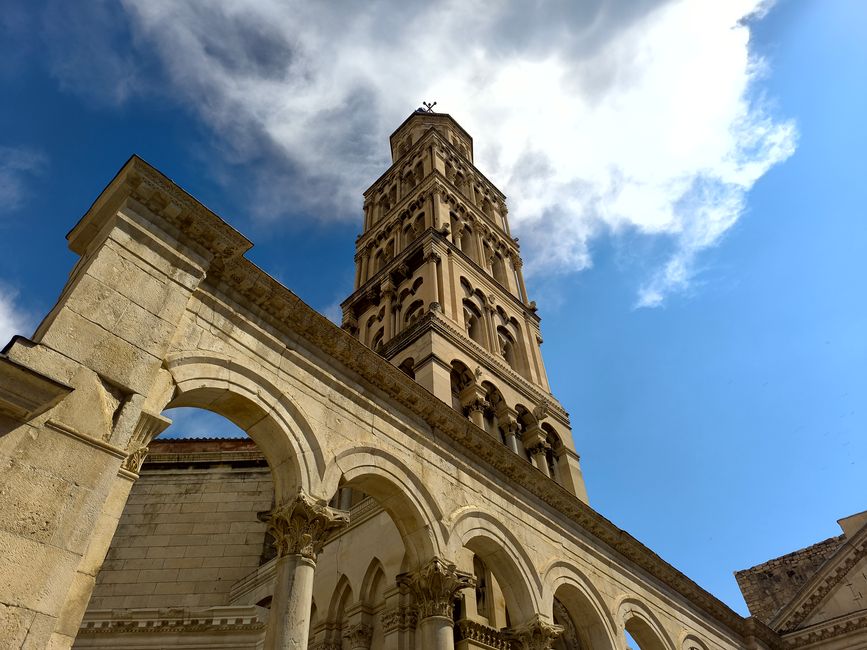
- Veliki Tabor (around 6 to 7 EUR): a hilltop medieval fortress in Hrvatsko Zagorje with rounded towers and far fewer crowds than Trakošćan.
- Varaždin Old Town (around 5 to 6 EUR): a baroque town fortress that doubles as the city's entomology museum. Odd combo, but it works.
- Ozalj Castle (around 3 to 4 EUR): overlooking the Kupa River, this one rarely shows up in guidebooks and stays cheap because of it.
- Medvedgrad (free): a ruined medieval fortress just above Zagreb with no entry fee at all, just a hike up.
- Klis Fortress near Split (around 7 to 8 EUR): another Game of Thrones filming location, and the views over Split's bay alone justify the ticket.
Klis in particular gets overlooked by people focused on the coast, but it pairs naturally with a Split day since it's only about 20 minutes outside the city by car or bus.
Combo Tickets and Croatia Castle Passes: Do They Actually Save Money?
Short answer: usually not, unless you're hitting three or more paid sites in the same city in a short window. Split occasionally bundles the Cathedral, bell tower, and substructures into a single combo ticket that runs a couple euros cheaper than buying separately, which makes sense if you're doing all three anyway.
Dubrovnik doesn't really offer a meaningful castle-specific pass. There's a broader Dubrovnik Card that includes museum entries and public transport, but it's priced for people planning to hit five or more attractions in a day, and most castle-focused travelers won't use enough of it to break even.
Note: There's no single "Croatia castle pass" covering multiple cities. Each site prices and sells independently, so don't go hunting for a national bundle that doesn't exist.
The real savings trick in Croatia is pairing sites that are naturally close together (Klis plus Split, or Veliki Tabor plus Trakošćan plus Varaždin in one northern Croatia day) rather than relying on bundled tickets.
How to Avoid Overpaying During Tourist Season
Croatian tourist pricing, especially around Dubrovnik and Split, spikes hard from June through August. A few tactics actually move the needle:
- Buy directly from the official site, not a hotel concierge desk or street kiosk, which routinely marks up 15 to 25%.
- Travel shoulder season (May, late September, early October) for lower walls pricing and thinner crowds without losing good weather.
- Carry student ID or an EU residence card, since most Croatian museums and castles offer discounted rates for students and sometimes for EU citizens specifically, though this varies site by site.
- Book skip-the-line slots in advance for Dubrovnik in July and August, when ticket queues at Pile Gate can run 30 to 45 minutes.
One easy habit: always check the attraction's own website the morning you visit. Croatian sites update hours and pricing seasonally, and third-party aggregators lag behind by weeks or months.
Sample 1-Day Castle Budget in Croatia
Here's a realistic day built around Trakošćan from Zagreb, since it's the most common day-trip pairing:
- Transport (Zagreb to Trakošćan round trip, car rental or bus): 20 to 35 EUR depending on method
- Trakošćan entry fee: 9 to 10 EUR
- Lunch near the lake: 10 to 15 EUR
- Coffee and snacks: 5 EUR
- Total: roughly 45 to 65 EUR per person
Swap in a Split day instead (Klis Fortress plus Diocletian's Palace extras) and you're looking at a similar range, maybe slightly less since Klis and Split are close together and buses run cheap. A full castle day in Croatia rarely breaks 70 EUR per person unless you're also doing the Dubrovnik walls, which alone can eat 35 EUR of that budget in peak season.
If you are stacking Croatia into a longer multi-continent trip, it is worth sanity-checking the entry costs on each leg. Guides like Do I Need a Visa for South Korea? K-ETA Cost & Rules for 2026, Do You Need a Visa for Cuba? Tourist Card Cost & Rules 2026, and Do I Need a Visa for Fiji? Entry Rules & Costs for 2026 cover the visa fees that add up fast across a trip even when individual castle tickets look cheap.
FAQs: Croatia Castle Costs in 2026
Is it free to walk around Diocletian's Palace in Split?
Yes. The streets, squares, and courtyards of the palace complex are open and free to explore. You only pay for specific sites inside, like the bell tower climb or the basement halls, each running around 4 to 5 EUR.
How much does it cost to visit Trakošćan Castle?
The standard adult ticket runs around 9 to 10 EUR as of October 2026, covering the furnished interior and the lakeside grounds. Students and kids pay less.
Is the Dubrovnik city walls ticket worth the price?
For a first visit, yes. The 35 EUR peak-season price is steep, but the panoramic views over the Old Town and the Adriatic are unmatched elsewhere in Croatia. Visit off-season if budget matters more than you'd like to admit.
Are there discounts for students or EU residents at Croatian castles?
Most sites offer student discounts with valid ID, and some extend reduced pricing to EU citizens or residents specifically. This varies by site, so carry ID and ask at the ticket window.
What is the cheapest way to see multiple castles in Croatia?
Group geographically close sites into one trip, like Veliki Tabor, Trakošćan, and Varaždin in a single northern Croatia day, rather than chasing a nonexistent national castle pass.
Do Croatia castle tickets need to be booked in advance for 2026?
For most castles like Trakošćan or Veliki Tabor, walk-up tickets are fine. For the Dubrovnik City Walls in July and August, booking skip-the-line online in advance saves significant queue time.
Common questions
- 01 Is it free to walk around Diocletian's Palace in Split?
- Yes, the streets and squares of the palace complex are free to explore; you only pay for specific sites inside like the bell tower or basement halls, around 4 to 5 EUR each.
- 02 How much does it cost to visit Trakošćan Castle?
- The standard adult ticket runs around 9 to 10 EUR as of October 2026, covering the interior museum and the lakeside grounds.
- 03 Is the Dubrovnik city walls ticket worth the price?
- For a first visit, yes, since the panoramic views are unmatched, though the 35 EUR peak-season price drops to around 10 to 15 EUR in winter months.
- 04 What is the cheapest way to see multiple castles in Croatia?
- Group geographically close castles like Veliki Tabor, Trakošćan, and Varaždin into one northern Croatia day trip rather than looking for a bundled national pass, since none exists.
Heads up: some links in this article are partner links, so we may earn a small commission at no extra cost to you. Learn more.

