
Travel Tips
Do You Need a Visa for Iceland? ETIAS Rules & 2026 Trip Costs
A basic Blue Lagoon entry runs about 9,990 ISK and a week in Iceland can cost anywhere from 160,000 to 515,000 ISK depending on whether you hostel it or rent a car.

Short answer first: if you're from the US, Canada, UK, Australia, or most of the EU, you don't need a visa to visit Iceland in 2026. You do need a passport with six months of validity left, and starting sometime in 2026 you'll likely need an ETIAS travel authorization too. If you're from a country that isn't on the visa-exempt list, you'll need to apply for a Schengen visa before you fly. Let's break down exactly where you fall and what it actually costs to get there and get around once you land.

Do You Need a Visa for Iceland in 2026? The Short Answer
Iceland follows Schengen rules, so your visa requirement depends on your passport, not on Iceland specifically. Here's the breakdown by nationality group as of July 2026:
- US, Canada, UK, Australia, New Zealand, Japan, South Korea: No visa needed for stays up to 90 days in any 180-day period. You'll need ETIAS once it's enforced (more on that below).
- EU/EEA and Schengen member citizens: No visa, no ETIAS. You travel freely with just your ID card or passport.
- Citizens of India, China, most African and many Asian and Middle Eastern countries: You need a Schengen visa before departure. Apply through the Icelandic embassy or a partner country's consulate in your home country, ideally 15 to 30 days ahead.
If you're unsure which group you fall into, the Icelandic Directorate of Immigration keeps the current visa-exempt country list, and it's the only source you should trust over a random blog post, including this one.
Iceland's Schengen Visa Rules Explained
Iceland isn't in the EU, but it is part of the Schengen Area, the border-free zone covering most of Europe. That matters because your Iceland trip counts against the same 90/180-day clock as your time in France, Germany, or Italy. If you already spent three weeks in Portugal earlier on the same trip, that eats into your allowance for Iceland too.
For visa-exempt travelers, the rule is simple: you get 90 days within any rolling 180-day window across the entire Schengen zone combined, not 90 days per country. For visa-required travelers, your Schengen visa (usually a short-stay "C" visa) specifies exactly how many days and how many entries you're allowed, and it's tied to the same 90/180 calculation.
Note: Overstaying even by a day can get you flagged at your next Schengen entry. Use the official Schengen calculator if you're bouncing between multiple countries on one trip.
ETIAS and Iceland: What Visa-Exempt Travelers Need as of 2026
ETIAS stands for European Travel Information and Authorisation System. It's not a visa, it's more like the US ESTA: a pre-travel screening you fill out online before you fly. As of 2026, ETIAS applies to travelers from visa-exempt countries who don't otherwise need a Schengen visa, which includes most Americans, Canadians, Brits, and Australians heading to Iceland.
The rollout has been delayed multiple times since it was first announced, so always check the official ETIAS site before you book to confirm whether enforcement has started for your travel dates. Here's what's stayed consistent through the delays:
- Cost: €20.
- Validity: three years, or until your passport expires, whichever comes first.
- Application time: most approvals come through within minutes, but immigration officials recommend applying at least 96 hours before departure in case of manual review.
- Who applies: anyone from a visa-exempt country flying into any Schengen country, Iceland included, not just people going straight to Reykjavik.
Once it's live, you'll do this once and it covers you for any Schengen country for three years, so it's a one-time hassle rather than something you repeat per trip.
Entry Requirements Beyond the Visa: Passport, Insurance, and Proof of Funds
Getting past passport control in Keflavik isn't just about your visa status. Border officers can, and sometimes do, ask for backup. Bring these regardless of your nationality:
- Passport valid for at least 6 months past your planned departure date from Schengen territory.
- Return or onward flight ticket showing you're not planning to overstay.
- Proof of accommodation, whether that's a hotel confirmation or an Airbnb booking screenshot.
- Travel insurance covering at least 30,000 euros in medical expenses as of 2026, technically required for Schengen visa applicants and a smart idea for everyone else too given how expensive Icelandic hospital visits can be.
- Proof of funds, roughly 25,000 to 30,000 ISK per day of your stay as of 2026, though this is rarely checked for tourists from visa-exempt countries.
If you're driving, bring your home country driving license plus an International Driving Permit if your license isn't in Latin script. Iceland doesn't require any specific vaccinations for entry, and mobile coverage is solid enough countrywide that most travelers skip a local SIM card entirely and just load an eSIM before landing, similar prep to what we cover in Your Ultimate Japan Travel FAQ: Get Answers Before You Go 2026. And don't skip travel insurance just because Iceland feels safe. Between glacier hikes, Ring Road driving in fog, and unpredictable weather, medical evacuations here aren't cheap.
How Expensive Is Iceland? A Real 2026 Trip Budget Breakdown
Iceland has a reputation for being brutally expensive, and honestly, it earns it. But knowing the actual numbers helps you plan instead of just panicking. As of July 2026, here's what you're realistically looking at per day:
- Food: a basic restaurant meal runs 2,500 to 4,000 ISK (roughly 18 to 29 USD), a grocery-store sandwich or hot dog is closer to 700 to 1,200 ISK. Cooking your own meals from a Bonus or Kronan supermarket cuts your food budget by more than half.
- Lodging: hostel dorm beds start around 6,000 to 8,000 ISK a night, a mid-range guesthouse or Airbnb runs 20,000 to 35,000 ISK, and a nice hotel in Reykjavik pushes 40,000 ISK and up.
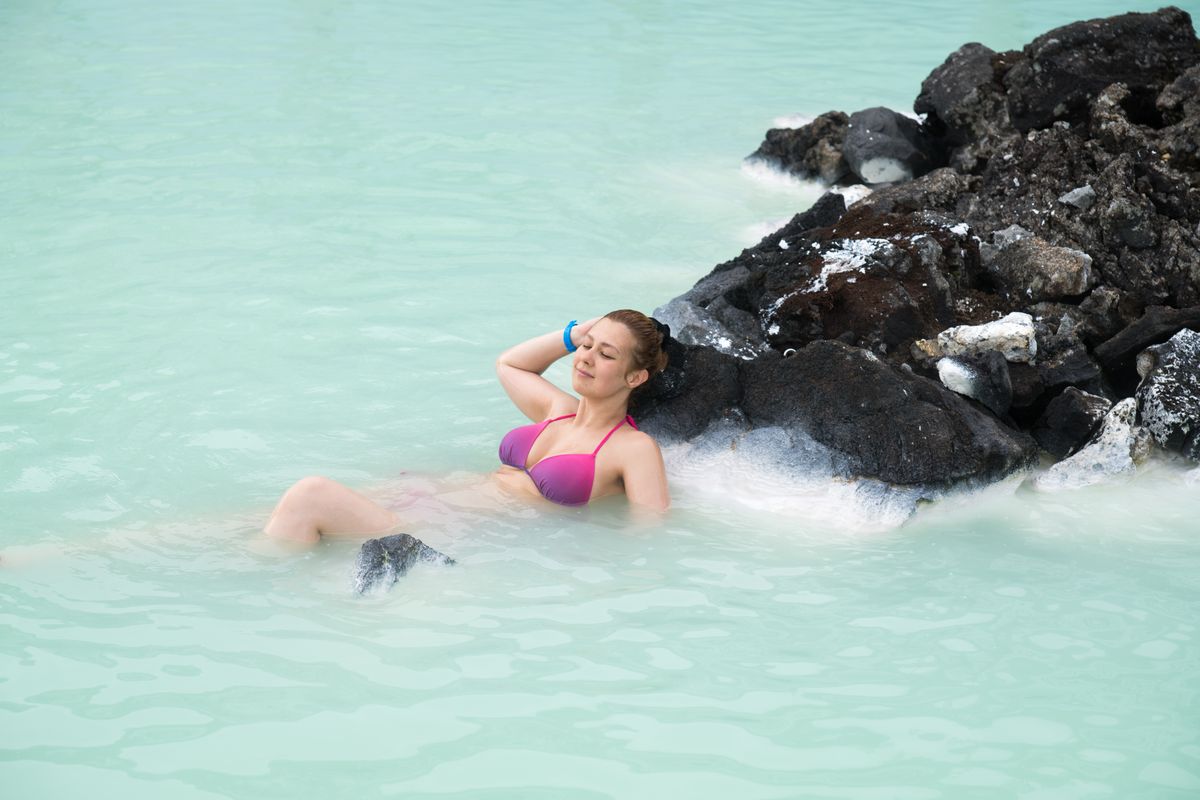
- Activities: the Blue Lagoon starts around 9,990 ISK for basic entry, glacier hikes run 15,000 to 25,000 ISK, and a South Coast day tour with a guide is typically 20,000 to 30,000 ISK per person.
- Alcohol: a beer at a bar is 1,200 to 1,800 ISK. If you drink, hit the duty-free at Keflavik airport on arrival, it's noticeably cheaper than buying in town.
Realistically, budget travelers can get by on 15,000 to 20,000 ISK a day (food plus a hostel bed), while a comfortable mid-range trip with a rental car, guesthouse stays, and a few paid activities lands closer to 40,000 to 55,000 ISK a day per person.
Cost to Rent a Car in Iceland in 2026
Renting a car is the single biggest lever you can pull on your Iceland trip, both for cost and for how much you actually see. As of 2026, expect these rough ranges:

- Small economy car: 6,000 to 9,000 ISK per day in summer, less in shoulder season.
- 4x4/SUV (recommended for winter driving or F-roads in the highlands): 12,000 to 20,000 ISK per day.
- Gravel and sand protection add-ons: most local rental companies push these hard because windshield chips are common. Budget an extra 1,500 to 3,000 ISK a day if you want full coverage.
- Fuel: gas runs around 300 to 330 ISK per liter, so a full Ring Road loop (about 1,332 km) burns roughly 100 to 130 liters depending on your car, putting fuel costs at 30,000 to 43,000 ISK total.
Book your rental car early if you're going in June, July, or August. Prices spike and inventory disappears fast during peak summer months. Always check the official rental company terms or your provider's current rate page since prices shift with fuel costs and season.
Sample Iceland Trip Budget: 7 Days, Two Travel Styles
Here's what a full week actually costs depending on how you want to travel, per person, based on 2026 pricing:
Budget Style (Hostels, Public Transport, Cooking)
- Lodging: 7 nights hostel dorms, ~50,000 ISK
- Food: mostly grocery store meals, ~35,000 ISK
- Transport: Straeto buses and a couple of shared day tours, ~40,000 ISK
- Activities: Blue Lagoon basic entry plus one glacier tour, ~35,000 ISK
- Total: roughly 160,000 ISK (about 1,150 USD) for the week
Comfort Style (Rental Car, Guesthouses, Guided Extras)
- Lodging: 7 nights guesthouses/Airbnb, ~200,000 ISK
- Food: restaurant meals most nights, ~110,000 ISK
- Rental car + fuel + insurance: ~130,000 ISK for the week
- Activities: Blue Lagoon premium, glacier hike, South Coast stops, ~75,000 ISK
- Total: roughly 515,000 ISK (about 3,700 USD) for the week
Most travelers land somewhere in between, mixing a rental car with hostel or budget guesthouse stays. If you've priced out other European road trips before, like a Cost to Visit Slovenia Castles: Bled, Ljubljana, Predjama 2026 trip, Iceland runs noticeably higher across the board, mostly because so much has to be imported.
Pro Tip: Pack a refillable water bottle. Iceland's tap water is some of the cleanest in the world and buying bottled water is a waste of money.
FAQs: Iceland Visas and Trip Costs
Do US citizens need a visa for Iceland?
No. US passport holders can visit Iceland visa-free for up to 90 days in any 180-day period. You'll likely need ETIAS once it's enforced in 2026, but that's a quick online form, not a visa.
Is Iceland part of the Schengen Area?
Yes. Iceland has been a full Schengen member since 2001, even though it's not in the EU. Your time there counts toward the same 90/180-day Schengen limit as any other member country.
Do I need ETIAS to visit Iceland in 2026?
If you're from a visa-exempt country like the US, Canada, or the UK, you'll need ETIAS once enforcement begins. Check the official ETIAS page for the current status before you book, since the start date has shifted before.
How much does a 7-day trip to Iceland cost in 2026?
Budget travelers can do a week for around 160,000 ISK (about 1,150 USD), while a comfort-level trip with a rental car and guesthouses runs closer to 515,000 ISK (about 3,700 USD). Most people land in between.
Is it cheaper to rent a car or book tours in Iceland?
For most itineraries longer than 4 days, renting a car works out cheaper than stacking multiple guided tours, and it gives you way more flexibility. Tours make more sense for specific things like glacier hikes or ice cave visits that require specialized gear and guides.
How long can I stay in Iceland without a visa?
Up to 90 days within any 180-day period if you're from a visa-exempt country. That counter is shared across the whole Schengen Area, so time spent in other European countries on the same trip counts against it.
Iceland isn't cheap, but it's not the visa maze people assume it is either. Most travelers from major visa-exempt countries just need a valid passport, a soon-to-be-required ETIAS, and a realistic budget. Nail down your car rental early, cook a few meals instead of eating out every night, and you'll spend a lot less than the horror stories suggest. If you're stacking Iceland with other European stops, it's worth reading up on nearby trip costs too, like this Faroe Islands Travel FAQ 2026: Costs, Weather and Trip Length or the Albania Travel FAQ 2026: Safety, Costs, Seasons and Transport guide for a completely different price point on the same continent. Planning a longer swing further afield, the Belize Travel FAQ 2026: Safety, Costs, Weather and Trip Length covers a similarly practical breakdown for a warm-weather alternative.
Heads up: some links in this article are partner links, so we may earn a small commission at no extra cost to you. Learn more.


