
Travel Tips
Essential Safety Tips for Your Japan Trip 2026: Complete Guide
Japan consistently ranks among the world's safest travel destinations, but understanding earthquake preparedness, cultural etiquette, and local safety protocols helps you travel with confidence...

-
01 / Verified & updated
May 2026
-
02 / Verified cost
hospital costs in Japan can reach $1,000 per day for serious conditions
-
03 / Region
Travel Tips
-
04 / Read time
14 min
Japan consistently ranks among the safest travel destinations globally, with crime rates that make most visitors feel comfortable walking alone at night. But safety in Japan extends far beyond just personal security. From earthquake preparedness to navigating complex cultural expectations, understanding Japan's unique safety landscape helps you travel with confidence and respect.
This full guide covers everything you need to know about staying safe during your Japan adventure, from practical emergency protocols to cultural nuances that keep you out of awkward situations.
Natural Disaster Preparedness: Earthquakes and Emergency Protocols
Japan sits on four tectonic plates, making earthquakes a daily reality rather than a rare occurrence. Most tremors are barely noticeable, but being prepared for larger quakes is essential for any visitor.
Download the Safety Tips app from the Japan Tourism Agency before you arrive. This free app sends real-time earthquake and tsunami warnings in multiple languages, along with evacuation route information for your current location. The app works offline, making it invaluable during emergencies when cell towers might be overwhelmed.
- Drop, Cover, and Hold On during any earthquake. Get under a sturdy table or desk, cover your head and neck, and hold on until shaking stops.
- Stay away from windows and heavy objects that could fall. In hotels, the bathroom doorway is often the strongest part of the structure.
- Don't run outside immediately after shaking stops. Many injuries occur from falling debris as people rush to exits.
- Learn evacuation routes at your hotel and major destinations. Most buildings post multilingual evacuation maps near elevators and exits.
If you're on a train during an earthquake, the system automatically stops. Remain seated and follow crew instructions. Japan's railway infrastructure is engineered to withstand significant seismic activity, making trains one of the safest places to be during a quake.
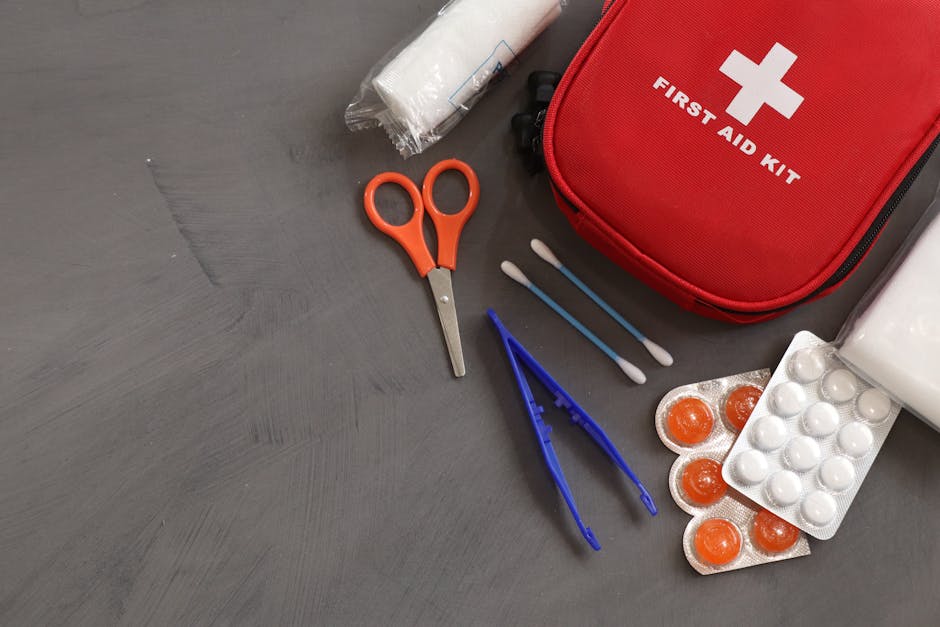
Pro Tip: Keep a small emergency kit in your daypack with water, snacks, a flashlight, and copies of your passport and important documents. Many convenience stores sell compact emergency kits specifically designed for travelers.
Health and Medical Safety: Insurance, Prescriptions, and Healthcare Access
Japan's healthcare system delivers excellent medical care, but navigating it as a foreign visitor requires preparation. Travel insurance becomes essential not just for coverage, but for communication and coordination with Japanese medical facilities.
Purchase comprehensive travel insurance that includes medical evacuation coverage. Policies should cover at least $100,000 in medical expenses, as hospital costs in Japan can reach $1,000 per day for serious conditions. Many Japanese hospitals require upfront payment before treatment, making insurance documentation crucial.
Prescription Medications
Japan has strict regulations on prescription drugs, with some common Western medications being completely prohibited. Bring a doctor's letter in English explaining your medical conditions and required medications. For controlled substances like ADHD medications or strong painkillers, you'll need to complete a Yakkan Shoumei import certificate through Japanese customs before arrival.
- Pseudoephedrine-based cold medicines are banned in Japan, including many over-the-counter decongestants.
- Codeine and tramadol require special import permits and are often denied for tourist use.
- Injectable medications like insulin are allowed but require doctor documentation and proper declaration at customs.
For emergency medical situations, call 119 for ambulances. Most major hospitals in Tokyo, Osaka, and Kyoto have English-speaking staff or interpretation services. The Japan Helpline (0570-000-911) provides 24/7 English support for medical emergencies and can help coordinate with local hospitals.
Transportation Safety: Trains, Buses, and Getting Around Securely
Japan's transportation network is remarkably safe and efficient, but understanding the system prevents common mishaps that can leave you stranded or injured.

Train Safety Protocols
Rush hour in major cities runs from 7-9 AM and 5-7 PM, when platforms become dangerously crowded. Stand clear of platform edges and wait for complete stops before boarding. Train doors close quickly and won't reopen for latecomers, unlike many Western systems.
Women-only cars operate during rush hours on most major lines, identified by pink signs and floor markings. These cars help prevent the groping incidents that unfortunately occur in crowded trains, particularly affecting female travelers.
- Keep valuables secure in front pockets or bags you can see. While theft is rare, crowded trains create opportunities for pickpocketing.
- Move to the center of cars during rush hour to avoid being crushed against doors when they open.
- Learn station names in Japanese characters for your route, as some rural stations only display kanji signage.
Taxi and Bus Safety
Taxis are extremely safe but expensive, with fares starting around ¥500 and increasing rapidly. Drivers rarely speak English, so write your destination in Japanese characters or show it on your phone. Taxi doors open and close automatically, controlled by the driver.
Highway buses offer budget-friendly long-distance travel with safety records superior to most countries. Choose established operators like JR Bus or Willer Express, which maintain strict vehicle inspection schedules and driver rest requirements.
Cultural Safety and Etiquette: Avoiding Unintentional Offenses
Cultural missteps in Japan rarely create physical danger, but they can lead to social embarrassment, denied service, or unwanted police attention. Understanding key etiquette rules keeps you safe from uncomfortable situations.

Temple and Shrine Etiquette
Religious sites have strict behavioral expectations that, when violated, can result in being asked to leave or causing offense to worshippers. At Shinto shrines, bow before passing under torii gates and purify yourself at the temizuya water basin by washing your left hand, then right hand, then rinsing your mouth.
Remove hats and sunglasses when entering temple buildings. Photography is often prohibited inside, with signs in multiple languages. Don't touch religious artifacts, statues, or offerings, as this can be considered deeply disrespectful.
Public Behavior Guidelines
- Keep voices low on trains and buses. Loud conversations or phone calls are considered extremely rude and may provoke confrontation.
- Don't eat while walking in public areas. Find a designated eating area or bench instead of consuming food on busy streets.
- Bow slightly when greeting shopkeepers, restaurant staff, or anyone providing service. A small nod shows respect and prevents awkwardness.
- Remove shoes indoors at temples, traditional restaurants, ryokan, and some museums. Look for shoe racks or slippers at entrances.
Tattoos can prevent entry to onsen, public baths, gyms, and some beaches. Many facilities that ban tattoos post signs with clear pictographs. If you have visible tattoos, research tattoo-friendly establishments in advance or consider covering them with bandages or clothing.
Warning: Avoid pointing at people or objects with your index finger, which is considered rude. Use an open hand or verbal description instead. This is especially important when asking for directions or ordering food.
Emergency Contacts and Communication: What to Know Before You Go
Communication barriers during emergencies can turn minor problems into major crises. Preparing key contacts and communication tools before you travel provides crucial safety nets when things go wrong.
Essential Emergency Numbers
- 110 for police (theft, assault, traffic accidents)
- 119 for fire and ambulance (medical emergencies)
- 118 for maritime emergencies (coast guard)
- 0570-000-911 Japan Helpline (24/7 English support)
The Japan Helpline operates as your primary English-language emergency resource, providing translation services, coordination with local authorities, and guidance for various crisis situations. Save this number in your phone before leaving home.
Communication Apps and Tools
Download Google Translate with offline Japanese language packs before arriving. The camera translation feature works remarkably well for reading signs, menus, and emergency instructions in real-time. Voice translation helps communicate with emergency responders who don't speak English.
VoiceTra, developed by Japan's National Institute of Information and Communications Technology, provides superior Japanese translation specifically designed for tourist situations. The app includes common emergency phrases and works offline for basic communication.
Register with your embassy upon arrival. Most embassies offer online registration services that help them locate and assist citizens during natural disasters or civil emergencies. The US Embassy's STEP program and similar services from other countries provide emergency notifications and evacuation coordination when needed.
Consider purchasing a portable Wi-Fi device or SIM card immediately upon arrival. Many convenience stores sell prepaid data plans that ensure constant internet access for translation apps, maps, and emergency communication. Rental Wi-Fi devices from companies like Ninja WiFi or eConnect Japan cost around ¥300-500 per day and support multiple devices.
Money and Financial Security: Cash Culture and Scam Prevention
Japan operates as a predominantly cash society, requiring different financial safety strategies than credit card-dependent countries. Understanding payment systems and recognizing the few scams that do exist protects your money throughout your trip.
Cash Management Strategies
Carry more cash than you would in other developed countries, typically ¥20,000-30,000 ($150-225) for daily expenses in major cities. Many restaurants, shops, and transport systems only accept cash, particularly outside Tokyo and Osaka metro areas.
7-Eleven ATMs accept most foreign debit and credit cards and charge reasonable fees (around ¥220 per transaction as of 2026). Post office ATMs also work with international cards but have more limited hours. Avoid hotel currency exchange, which typically offers poor rates compared to bank ATMs.
- Split cash between multiple locations on your person and in your luggage to prevent total loss if pickpocketed or robbed.
- Use hotel safes for large amounts and backup cards you're not carrying daily.
- Keep small denominations handy for temples, street food, and local transport that may not provide change for large bills.
Recognizing and Avoiding Scams
Japan has remarkably low crime rates, but several scams specifically target foreign tourists. Kabukicho in Shibuya and similar entertainment districts see most tourist-focused scams.
Bar scams involve touts offering "authentic Japanese experience" bars with astronomical bills for basic drinks. Legitimate establishments display prices clearly and don't use aggressive street solicitation. If approached by someone promoting a bar or club, politely decline and walk away.
Fake monks sometimes approach tourists near temples requesting donations for Buddhist causes. Real monks don't aggressively solicit money from strangers and typically remain within temple grounds rather than approaching people on streets.
Overcharging at restaurants occasionally happens in tourist-heavy areas, where establishments add "service charges" or "foreigner fees" not mentioned on menus. Always check bills carefully and request itemized receipts if charges seem excessive.
Personal Safety in Urban Areas: Tokyo, Osaka, and Major Cities
Japan's major cities offer exceptional personal safety compared to similar metropolitan areas globally, but understanding local conditions and potential risks helps you navigate urban environments confidently.

Nighttime Safety in Entertainment Districts
Areas like Shibuya, Shinjuku's Kabukicho, and Osaka's Dotonbori remain relatively safe even late at night, but they attract Japan's limited criminal element and can become overwhelming for unprepared visitors.
Stick to well-lit main streets and avoid narrow alleys in entertainment districts after 10 PM. While violent crime remains extremely rare, these areas see most of Japan's pickpocketing, drink spiking, and tourist-targeted scams. Travel in groups when possible and keep friends informed of your location.
- Avoid excessive alcohol consumption in unfamiliar areas. Japan's drinking culture can be intense, and impaired judgment increases vulnerability to scams or accidents.
- Use legitimate taxi services rather than accepting rides from strangers, particularly near clubs or bars where unlicensed operators sometimes prey on intoxicated tourists.
- Keep emergency cash separate from your main wallet in case you need taxi fare or need to pay unexpected charges to safely leave a situation.
Solo Female Traveler Safety
Japan is considered an exceptionally safe destination for solo female travelers, with violent crime against women being extremely rare. However, groping on crowded trains (called chikan) remains a persistent problem that affects both locals and visitors.
Use women-only train cars during rush hours when available, identified by pink signs and floor markings. If groping occurs, loudly say "chikan" to alert other passengers and station staff. Most bystanders will intervene once they understand the situation.
Capsule hotels and manga cafes provide safe, affordable overnight accommodations for solo travelers, with many offering women-only floors or sections. These establishments require ID upon check-in and maintain security cameras in common areas.
Pro Tip: Download the Digi Police app, which includes a function to alert police if you're being followed or feel threatened. The app can send your location to authorities and includes useful Japanese phrases for emergency situations.
Food Safety and Dietary Considerations: What Every Traveler Should Know
Japan maintains strict food safety standards, making foodborne illness relatively uncommon for visitors. However, understanding preparation methods, ingredients, and cultural dining practices prevents dietary problems and allergic reactions.
Raw Food Safety
Sushi, sashimi, and other raw preparations are generally safe at any legitimate restaurant due to strict sourcing and handling regulations. Fish served raw in Japan undergoes specific freezing processes that eliminate parasites, and restaurants must meet stringent health department standards.
Avoid raw preparations from street vendors or very cheap establishments that may not follow the same rigorous standards as licensed restaurants. Stick to busy places with high turnover, ensuring ingredients remain fresh.
Allergy Communication and Management
Food allergies can be life-threatening when communication barriers prevent clear ingredient disclosure. Japanese restaurants don't typically accommodate allergy requests as flexibly as Western establishments, making preparation essential.
- Learn key allergy terms in Japanese and carry written cards explaining your restrictions. The Japan National Tourism Organization provides downloadable allergy cards in multiple languages.
- Research restaurant ingredients in advance using apps like Gurunavi or Tabelog, which often list detailed menu information including common allergens.
- Carry epinephrine injectors and emergency medications in their original packaging with prescription labels for customs clearance.
- Inform hotel staff of dietary restrictions when making reservations, as many ryokan and traditional establishments require advance notice to modify meals.
Soy, shellfish, and wheat appear in many unexpected dishes and sauces. Soy sauce contains wheat, tempura batter often includes eggs, and dashi (soup stock) frequently contains shellfish or fish products even in seemingly vegetarian dishes.
Water and Beverage Safety
Tap water throughout Japan is safe to drink and often tastes better than bottled alternatives. Restaurants routinely serve free tap water, and public fountains in parks and stations provide clean drinking water.
Be cautious with unpasteurized dairy products and fresh juices from small vendors, though these pose minimal risk compared to similar items in developing countries. Convenience store beverages and packaged foods meet strict safety standards equivalent to or exceeding most Western countries.
Frequently Asked Questions About Japan Travel Safety
Is Japan safe for solo travelers, especially women? Japan consistently ranks among the safest countries globally for all travelers, with violent crime rates significantly lower than most developed nations. Solo female travelers can safely walk alone at night in major cities, though normal precautions like staying in well-lit areas and avoiding excessive alcohol consumption remain sensible.
What should I do if there's an earthquake while I'm visiting Japan? Drop to your hands and knees, take cover under a sturdy desk or table, and hold on until shaking stops. Don't run outside immediately, as falling debris causes many injuries. Follow evacuation procedures only after shaking completely stops and building staff provide guidance.
Do I need travel insurance for Japan and what does it typically cover? Yes, comprehensive travel insurance is essential for Japan due to high medical costs that can reach $1,000 per day for serious conditions. Policies should include at least $100,000 medical coverage, emergency evacuation, and trip interruption protection. Many hospitals require upfront payment before treatment.
How do I call for help in Japan if I don't speak Japanese? Call 110 for police, 119 for medical emergencies, or 0570-000-911 for the Japan Helpline, which provides 24/7 English support. Download translation apps like Google Translate or VoiceTra before traveling to communicate basic emergency information when language barriers exist.
What are the most common safety mistakes tourists make in Japan? The biggest mistakes include not preparing for earthquakes, failing to carry enough cash for daily expenses, ignoring cultural etiquette in temples and public spaces, and not purchasing adequate travel insurance. Many visitors also underestimate how much preparation is needed for food allergies and prescription medications.
Japan offers an incredibly safe travel experience when you understand its unique characteristics and prepare accordingly. From earthquake preparedness to cultural etiquette, these safety considerations help ensure your trip remains memorable for all the right reasons. For more essential travel planning information, check out our Ultimate Japan Travel FAQ for detailed guidance on every aspect of visiting this remarkable country. If you're planning adventures beyond Japan, our guides to Morocco 2026 and the USA offer similar safety insights for other impressive destinations.
Common questions
- 01 What should I do if an earthquake happens while I'm in Japan?
- Drop, cover, and hold on by getting under a sturdy table or desk, covering your head and neck, and holding on until the shaking stops. Avoid running outside immediately afterward, since many injuries come from falling debris as people rush to exits.
- 02 Can I bring my prescription medications to Japan?
- Japan has strict regulations on prescription drugs and some common Western medications are completely prohibited, including pseudoephedrine-based cold medicines. For controlled substances like ADHD medications or strong painkillers, you need a Yakkan Shoumei import certificate through Japanese customs before arrival.
- 03 What number do I call for a medical emergency in Japan?
- Call 119 for ambulances, and most major hospitals in Tokyo, Osaka, and Kyoto have English-speaking staff or interpretation services. The Japan Helpline at 0570-000-911 also provides 24/7 English support for medical emergencies.
- 04 Are there any cultural rules I should know about trains and public spaces?
- Keep your voice low on trains and buses since loud conversations or phone calls are considered extremely rude, and avoid eating while walking in public areas. Women-only cars also operate during rush hours on most major lines to help prevent groping incidents.
Heads up: some links in this article are partner links, so we may earn a small commission at no extra cost to you. Learn more.

