
Travel Tips
Best Places to Visit in USA: Top Destinations for 2026
Glacier National Park's 7-day vehicle pass runs $35 as of September 2026, and that's just one piece of planning a USA trip across cities, coasts, and small towns like Asheville.

Picking where to go in the United States is basically a paradox of choice problem. You've got 50 states, a coastline on three oceans, desert canyons, glacier valleys, and cities that feel like different countries depending on which one you land in. This guide skips the "50 things to do before you die" nonsense and gives you an actual framework, plus the specific cities, towns, parks, coasts, and road trips worth your vacation days in 2026.
Got 5 days or 5 weeks? The goal is the same: stop scrolling and start booking. We'll cover how to narrow things down, then walk through the best cities, small towns, national parks, coastal escapes, and road trip routes, plus the practical stuff (visas, budgets, timing) you need to actually pull off a US trip in 2026.

How to Pick the Right US Destination for Your Trip
Before you fall down a Pinterest hole, answer three questions: what's your budget, what season are you traveling in, and what kind of traveler are you actually. These three things eliminate 80% of the options fast.
Budget matters more in the US than people expect. A week in New York City with mid-range hotels can run $2,500 to $4,000 for two people as of September 2026, while a week road-tripping through small towns in the South or camping near national parks can come in under $1,200. Check current hotel rates on Booking.com or Airbnb before you lock in dates, since prices swing hard between cities and seasons.
Season changes everything. National parks like Glacier are only fully accessible roughly late June through September because of snow on the Going-to-the-Sun Road. Coastal spots like Key West and Oahu are warm year-round but hurricane season (June to November) can mess with Florida and Gulf Coast plans. Fall (September to November) is arguably the best all-around window: fewer crowds, mild weather almost everywhere, and lower prices than summer.
Travel style is the third filter. If you want walkable culture and food, cities win. If you want quiet mornings and no crowds, small towns are the move. If you want to disconnect entirely, national parks and coastal islands are where you'll actually unplug. Most first-time visitors end up combining two of these, like a city plus a national park, rather than picking just one.
Pro Tip: Pick your season first, then your region. Trying to force a Glacier National Park trip into February will just get you a closed road and a refund request.
Best Cities for First-Time USA Visitors
If this is your first US trip, start with the cities that deliver on the postcard version of America without requiring a rental car on day one.
New York City is still the obvious pick, and it earns it. Three or four days gets you Central Park, the Statue of Liberty ferry (around $24.50 round trip as of 2026, check current pricing on the official Statue of Liberty site), a Broadway show, and enough pizza and bagels to justify the trip on its own. The subway runs 24/7 and a 7-day unlimited MetroCard or OMNY cap makes getting around cheap and simple.

Chicago gets overlooked next to NYC and LA, which is a mistake. The architecture river cruise is genuinely one of the best city tours in the country, deep dish pizza is worth the calories, and the lakefront trail gives you 18 miles of running, biking, or just walking with a skyline view. Summer is peak season here since winters get brutal, so aim for June through September.
New Orleans is unlike anywhere else in the US. The French Quarter, live jazz on nearly every corner, and food that alone justifies a trip (get the beignets at Cafe Du Monde and a po'boy from Domilise's). Spring and fall avoid both the summer heat and hurricane risk, so those are your safest windows.
Boston rounds out the classic first-timer list. It's compact, walkable, and packed with history, pairing a morning on the Freedom Trail with an afternoon game at Fenway Park. You can genuinely see the highlights in 2 to 3 days, which makes it easy to pair with New York on an East Coast itinerary.
- New York City: 4-5 days, best April-June or September-November, budget $250-400/day for two.
- Chicago: 3-4 days, best June-September, budget $180-300/day for two.
- New Orleans: 3-4 days, best February-May or October-November, budget $150-250/day for two.
- Boston: 2-3 days, best May-October, budget $200-320/day for two.
Best Small Towns and Hidden Gems Across the USA
Big-city guides skip these on purpose, but small towns are where the US actually slows down and shows some personality.
Charleston, South Carolina has cobblestone streets, pastel row houses on Rainbow Row, and some of the best food in the South (shrimp and grits at any local spot will do). Horse-drawn carriage tours run through the historic district for around $30-35 per person as of 2026, and the whole peninsula is walkable in a day or two.
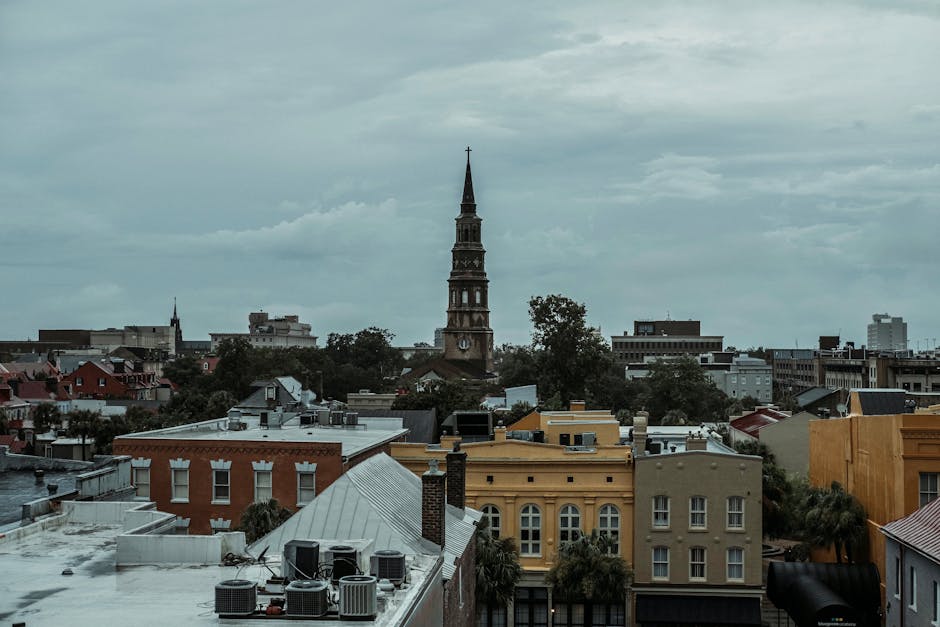
Savannah, Georgia sits about 100 miles down the coast from Charleston and pairs well on the same trip. Spanish moss hangs off oak trees in every historic square, and the whole downtown feels like a movie set that people actually live in. Ghost tours are a genuine local industry here, not a gimmick, thanks to the city's history.
Asheville, North Carolina is the mountain counterpart to those coastal towns. It's tucked in the Blue Ridge Mountains, known for craft breweries (more breweries per capita than almost any other US city), the Biltmore Estate, and easy access to Blue Ridge Parkway hikes. Fall foliage season (mid-October) books up fast, so reserve lodging early if you're aiming for peak leaf-peeping.
These towns share a pattern: walkable centers, strong food scenes, and a slower pace than the big cities. If you liked how small-town culture felt real rather than staged here, it's worth applying that same instinct elsewhere. The way Best Villages in Fiji to Visit in 2026: Real Culture, No Res approaches village life over resort culture follows the same logic on the other side of the world.
Best National Parks and Outdoor Escapes
The US national park system is genuinely one of the country's best assets, and most of it is shockingly affordable.
Glacier National Park in Montana delivers turquoise lakes, grizzly bear country, and the Going-to-the-Sun Road, one of the most scenic drives in the country. Entry runs $35 per vehicle for a 7-day pass as of 2026, check current rates on the official NPS Glacier page. Vehicle reservations are required for the Going-to-the-Sun corridor during peak summer months, so book ahead.

Redwood National and State Parks in Northern California are the other must-see for anyone who wants scale without crowds. Walking among trees over 350 feet tall genuinely resets your sense of size. Entry is free (no per-vehicle fee for the national park sections), and it pairs naturally with a Pacific Coast Highway road trip since it sits right off Highway 101.
If canyon country appeals to you more than forests, the Grand Canyon (pictured up top) and Zion National Park in Utah round out the outdoor bucket list nicely. Both get busy in summer, so shoulder season (April-May or September-October) gives you better weather and thinner crowds. For a completely different canyon comparison, Best Canyons in South Africa 2026: Blyde River & 6 Underrate actually benchmarks Blyde River Canyon against the Grand Canyon with real numbers if you're curious how they stack up. If high-altitude trekking is more your speed, Best Mountains in Bolivia for Hiking: 2026 Trekking Guide covers a completely different kind of climb, with routes above 5,000 meters and centuries-old Inca trail markers.
Note: Park entry fees and reservation systems change seasonally. Always check the specific park's page on nps.gov before you go, especially for timed-entry permits.
Best Coastal and Island Getaways in the USA
Beach trips in the US cover everything between tropical Hawaii and rugged California coastline, and the good news is you don't need a passport for any of them.
Oahu, Hawaii gives you Waikiki Beach, Diamond Head hikes, and the North Shore's legendary winter surf all on one island. Flights from the mainland US run 5-11 hours depending on your departure city, and a week here comfortably covers the beach, Pearl Harbor, and at least one hike. Budget around $200-350 per day for two, more if you're staying in Waikiki proper.

Catalina Island sits just 22 miles off the coast of Los Angeles and feels like a different country. The ferry from Long Beach takes about an hour and runs roughly $80-90 round trip as of 2026. Golf carts are the main mode of transport in Avalon since cars are heavily restricted, which keeps the whole island quiet and walkable.
Key West, Florida is the end of the road, literally, at Mile Marker 0. Sunset at Mallory Square is the nightly ritual, and Duval Street covers your bar-hopping needs. It's warm nearly year-round, though hurricane season (June-November) is worth watching if you're booking last minute.
If island-hopping without the crowds is more your thing, the same principle applies well beyond US shores. Best Islands in Fiji Off the Tourist Trail: 2026 Outer Islan covers a similar hunt for quieter island alternatives, just on the other side of the Pacific.
Best Road Trip Routes for Exploring the USA
The US is built for road trips in a way most countries aren't. Cheap gas by global standards, long straight highways, and towns spaced just far enough apart to keep things interesting.
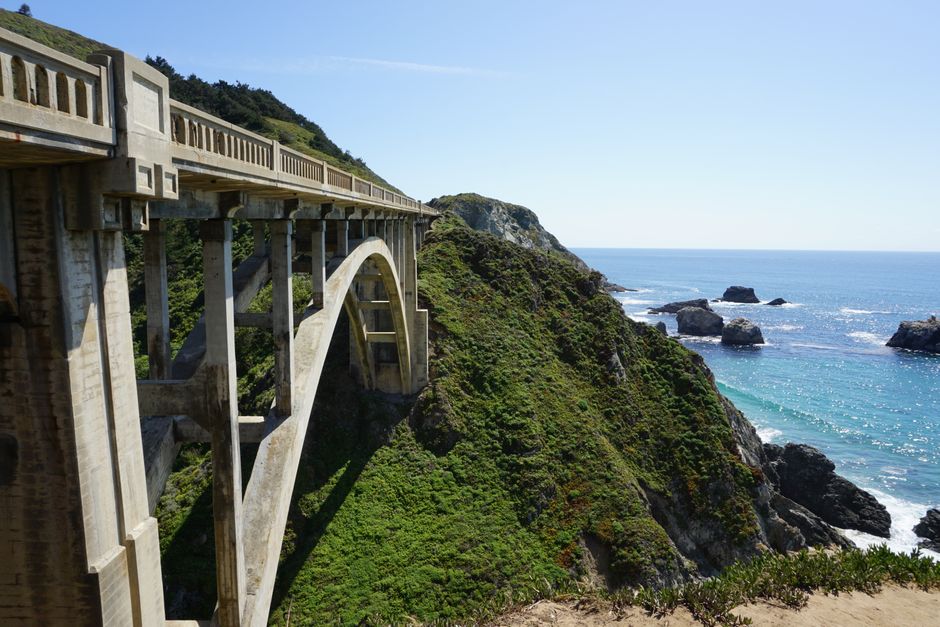
The Pacific Coast Highway (Highway 1) from San Francisco to Los Angeles is the most iconic drive in the country. Big Sur's cliffside curves and the Bixby Creek Bridge alone are worth the trip. Budget 3-5 days to actually stop at viewpoints instead of just driving through, and expect to pay $150-250 per night for coastal lodging in peak summer.
The Blue Ridge Parkway connects Shenandoah National Park in Virginia to the Great Smoky Mountains near Asheville, covering 469 miles of mountain scenery with zero stoplights. It's free to drive and best in October for fall colors, though it's genuinely gorgeous most of the year.
For something longer, Route 66 from Chicago to Santa Monica covers over 2,400 miles of classic Americana: diners, motels, and roadside attractions that have barely changed since the 1950s. Most people do this in 10-14 days rather than trying to rush it.
You don't actually see America from a plane window. You see it from a car window doing 65 on a two-lane highway somewhere between nowhere and somewhere else.
Practical Travel Tips for Visiting the USA in 2026
The logistics matter as much as the destination picks, so here's what to sort out before you land.
Visas: If you're from a Visa Waiver Program country (most of Western Europe, Australia, Japan, and dozens of others), you'll need an approved ESTA before flying, which costs $21 as of September 2026 and is valid for two years. If your country isn't on that list, you'll need a full B1/B2 visitor visa, which involves an interview and takes considerably longer to process. Always check the current list and fees on the official US State Department travel site, since program rules and fees do get updated.
Transport: Public transit works well within major cities (NYC, Chicago, Boston, DC) but the US is built around cars everywhere else. If your itinerary includes small towns, national parks, or road trip routes, budget for a rental car. Domestic flights are often cheaper than the train for long distances, since Amtrak, while scenic, is slower and pricier than most first-timers expect.
Budgeting: Tipping is not optional in the US the way it is in most countries. Restaurants expect 18-20%, and forgetting this is the single most common tourist mistake. Sales tax also isn't included in listed prices and varies by state, from 0% in Oregon to over 9% in parts of Louisiana, so your final bill will always be higher than the sticker price.
Timing: Summer (June-August) is peak season almost everywhere except desert regions, meaning higher prices and bigger crowds. Shoulder seasons (April-May, September-October) usually give you the best mix of weather, price, and crowd levels across most of the country.
Warning: Don't assume Wi-Fi or cell coverage in national parks. Glacier, Redwood, and most backcountry areas have dead zones. Download offline maps before you head in.
Frequently Asked Questions
What is the best time of year to visit the USA?
Fall (September-October) and spring (April-May) generally hit the sweet spot: mild weather, thinner crowds, and lower prices than peak summer almost everywhere except tropical spots like Hawaii, which stay warm year-round.
How many days do you need to see the best places in the USA?
Two weeks lets you comfortably cover one region properly, like the East Coast cities plus a national park, or a West Coast road trip with island time added on. Trying to combine coasts in under 10 days means a lot of time lost to flights and transfers.
What are the most affordable places to visit in the USA?
Small towns in the South (Savannah, Asheville) and national park camping trips run far cheaper than coastal cities or Hawaii. Expect $100-180 per day for two people if you're camping or staying in budget motels versus $250+ in major cities.
Do I need a visa to travel to the USA in 2026?
It depends on your nationality. Visa Waiver Program countries need an approved ESTA (currently $21, valid two years) instead of a full visa. Everyone else needs a B1/B2 visitor visa. Check your specific requirements on the official State Department site before booking flights.
What is the best US city for first-time visitors?
New York City remains the top pick for sheer density of things to do, but Chicago and Boston are easier to navigate and less overwhelming if it's your first US trip and you want a gentler introduction.
Which US small towns are worth visiting besides major cities?
Charleston and Savannah cover coastal charm and history, while Asheville delivers mountains, breweries, and fall foliage. All three are walkable, food-focused, and a fraction of the crowd size of the big cities.
Whatever region you land on, book your flights and any timed park entries first, since those fill up fastest, and build the rest of the itinerary around them. The US rewards planning just enough to skip the lines, without needing every hour scheduled.
Heads up: some links in this article are partner links, so we may earn a small commission at no extra cost to you. Learn more.


