
Hills
Best Hills in Rwanda for Hiking: 2026 Land of a Thousand Hills Guide
Nyungwe's canopy walk connects hilltop trails 50 meters up, while Kigali's Mount Kigali climb needs zero park permit, just good shoes and an early start.
9 min read

America
01 / Guides
3
02 / Best time
Year-round
03 / Continent
America
04 / Currency
-
The USA is a lively and diverse destination in North America, drawing millions of travelers each year. Whether you’re a backpacker, couple, solo adventurer, or seeking luxury, the United States has something tailor-made for everyone.
From winding highways that stretch across stunning landscapes to the nonstop energy of busy cities, the USA offers a rich variety of experiences. Picture epic festivals, charming small towns, mouthwatering comfort food, relaxing retreats, and thrilling theme park adventures. If you’re looking for outdoor wonder, the national parks provide a serene escape, while Disney’s magic adds a touch of whimsy. There’s truly something for every interest and style.
Planning your first journey to the USA? This guide will help navigate everything you need to know: from travel facts and ideal times to visit, to the best destinations and travel tips. We’ll also cover travel costs, essentials, and practical advice to ensure you’re fully prepared for an unforgettable adventure.


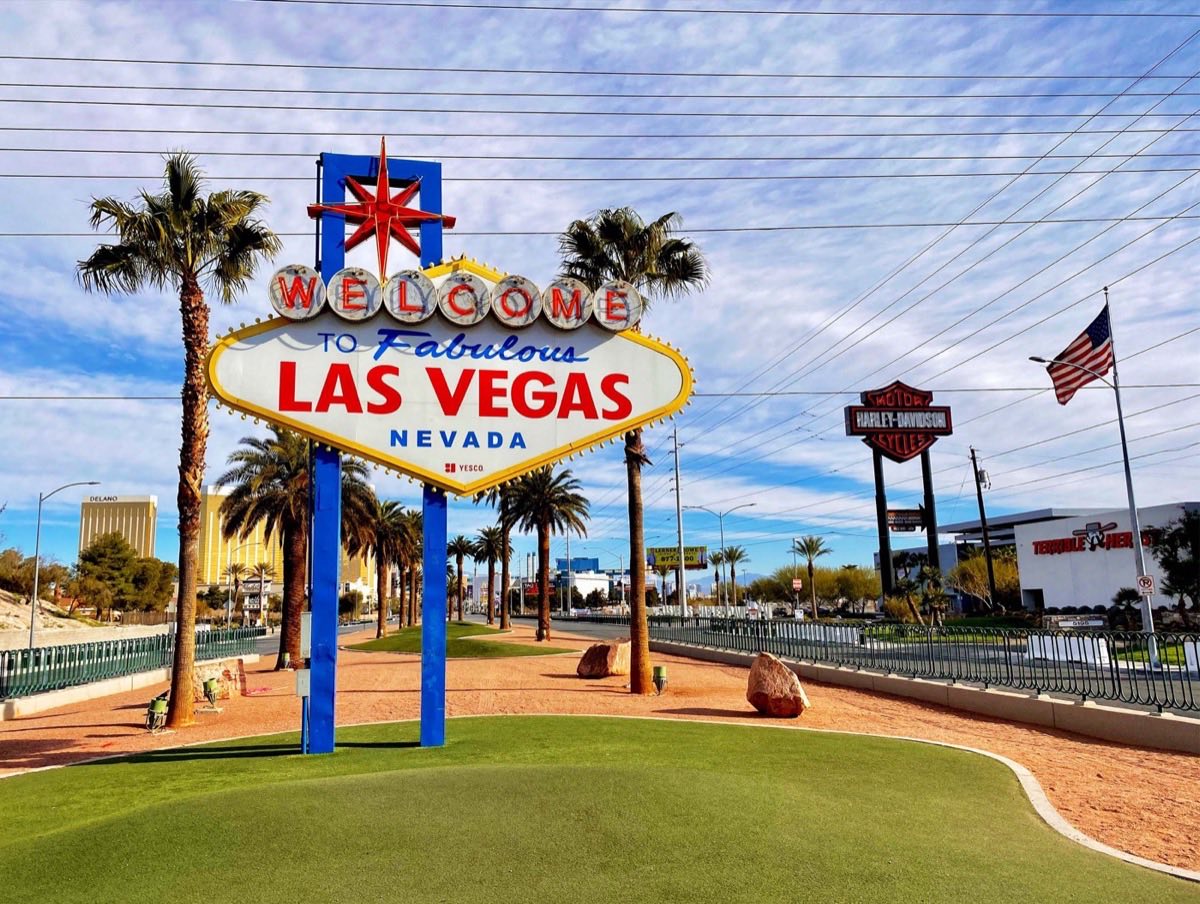
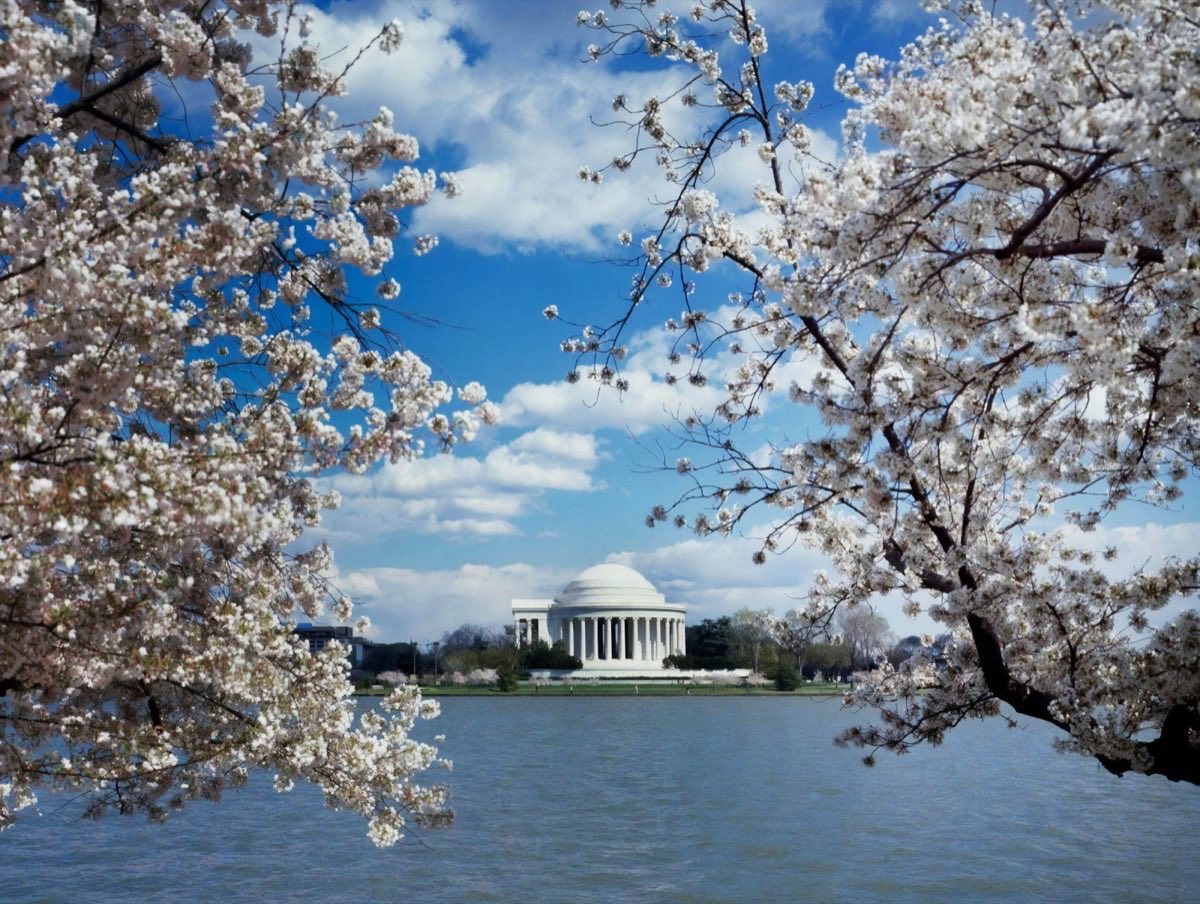

The United States, a vast country brimming with diverse landscapes and dynamic cities, offers travelers a spectrum of experiences - from the neon buzz of Las Vegas to the serene beauty of the Grand Canyon. However, navigating both its expansive geography and varying costs requires some thoughtful planning. Here’s a nuanced guide to help you traverse the States well while keeping an eye on your budget.
Spring (March-May): Mild weather, great for outdoor activities and festivals. Best for cities like Washington, D.C., New York, and national parks.
Summer (June-August): Hot in many places, ideal for beaches and outdoor adventures, but crowded. Perfect for spots like Florida, California, and national parks.
Fall (September-November): Cool weather and stunning fall foliage, especially in New England. Best for hiking and wine country in places like Napa Valley.
Winter (December-February): Cold and snowy, perfect for skiing and winter sports. Warm destinations like Florida are also great, along with holiday events in cities like NYC.
For mild weather and fewer crowds, go in Spring or Fall. For beach vacations or winter sports, try Summer or Winter.
Flights:
Given the size of the USA, flying is often the quickest way to travel between cities. Flights can vary widely in price, depending on the time of year, location, and how far ahead you book. For savvy travelers, booking 6-8 weeks in advance is usually ideal. A good rule of thumb: the earlier, the cheaper.
Domestic Travel:
While flying is the most common, the US has a host of other transportation options:
Where you rest your head at night will likely be one of your largest expenses, but the US offers accommodations for all budgets:
America’s culinary scene is as diverse as its population. Whether you’re indulging in a gourmet meal or grabbing a quick bite, the range of dining options suits all tastes and budgets:
Whether you're marveling at the exhibits in a excellent museum or seeking thrills at a theme park, entertainment options abound:
While tipping is not compulsory, it’s an ingrained part of American culture, especially in the service industry. To help you navigate the social norms:
To help you estimate your daily travel budget:
Note: Prices will vary by region, with major cities and tourist hotspots generally costing more.
From the urban pulse of New York City to the natural wonders of the Grand Canyon, a trip across the United States offers unmatched diversity. Whether you’re traveling on a shoestring budget or indulging in luxury, the key to a memorable experience lies in smart planning and understanding the cost of each adventure. Are there any specific destinations you’re keen on, or particular experiences you’d like more detailed recommendations on? Let me know!
In the U.S., safety standards are regulated by various agencies to protect public well-being:
Workplace Safety - Regulated by OSHA, ensuring safe working conditions and equipment.
Road Safety - Managed by FMCSA, enforcing vehicle safety, speed limits, and DUI laws.
Building & Fire Safety - Local building codes and NFPA standards for safe construction and fire prevention.
Food & Drug Safety - Overseen by the FDA to ensure food handling and medical products are safe.
Air & Water Quality - EPA sets limits on pollutants to protect air and water.
Consumer Product Safety - CPSC ensures products like toys and appliances meet safety standards.
Healthcare Safety - CMS and FDA regulate healthcare facilities and medical devices.
Transportation Safety - FAA, FRA, and Coast Guard ensure safe air, rail, and maritime travel.
These agencies work together to enforce strict standards to protect people across all industries.
Plan your visit
Find hotels
Compare prices on Booking.com, free cancellation on most properties.
Tours & activities
Skip-the-line tickets, day trips, and guided experiences on GetYourGuide.
Compare flights
Scan every airline and OTA in seconds with Skyscanner.
Travel insurance
Monthly travel medical cover from SafetyWing. Cancel anytime.
Heads up: some links in this article are partner links, so we may earn a small commission at no extra cost to you. Learn more.
Guides
Nyungwe's canopy walk connects hilltop trails 50 meters up, while Kigali's Mount Kigali climb needs zero park permit, just good shoes and an early start.

Rwanda packs more rolling green hills into its compact borders than almost anywhere else in Africa. You'll find thousands of undulating slopes carpeted in tea plantations, coffee farms, and pristine forests that stretch from the capital city to remote national parks...

Glacier National Park's 7-day vehicle pass runs $35 as of September 2026, and that's just one piece of planning a USA trip across cities, coasts, and small towns like Asheville.