
Deserts
7 Epic Egypt Desert Travel Adventures You’re Missing in 2026
Explore the White and Black deserts, Siwa Oasis, and the Great Sand Sea. Multi-day safaris as of September 2026 typically cost between $400 and $800 USD per person...

-
01 / Verified & updated
September 2026
-
02 / Verified cost
$400 - $800 USD for 3-5 day safari
-
03 / Crowd-free window
October to March
-
04 / Region
Deserts
-
05 / Read time
7 min
Most travelers to Egypt spend their time fighting crowds at the Giza Pyramids or cruising the Nile, but the real soul of the country lies in the silence of the Sahara. Once you leave the valley, the landscape shifts from dusty browns to blinding whites and volcanic blacks. It is a place where you can actually hear yourself think, provided you have a reliable 4x4 and a guide who knows how to read the dunes.
Desert travel in 2026 is less about luxury and more about endurance. You will sleep in tents, eat Bedouin bread baked in the sand, and wake up to skies so clear you can see the Milky Way without a telescope. If you are used to the structured tours of Cairo, the lack of fences and hotels here will be a shock. It is raw, open, and mostly empty.
White Desert - Moon-lit Landscapes and Overnight Bivouacs
The White Desert looks like a frozen ocean of chalk. Huge limestone formations, carved by wind into shapes like mushrooms and chickens, rise out of the sand. It is one of the few places where you can feel like you have left Earth entirely. Most people visit as part of a tour from Bahariya Oasis, spending two days exploring the dunes before camping under the stars.
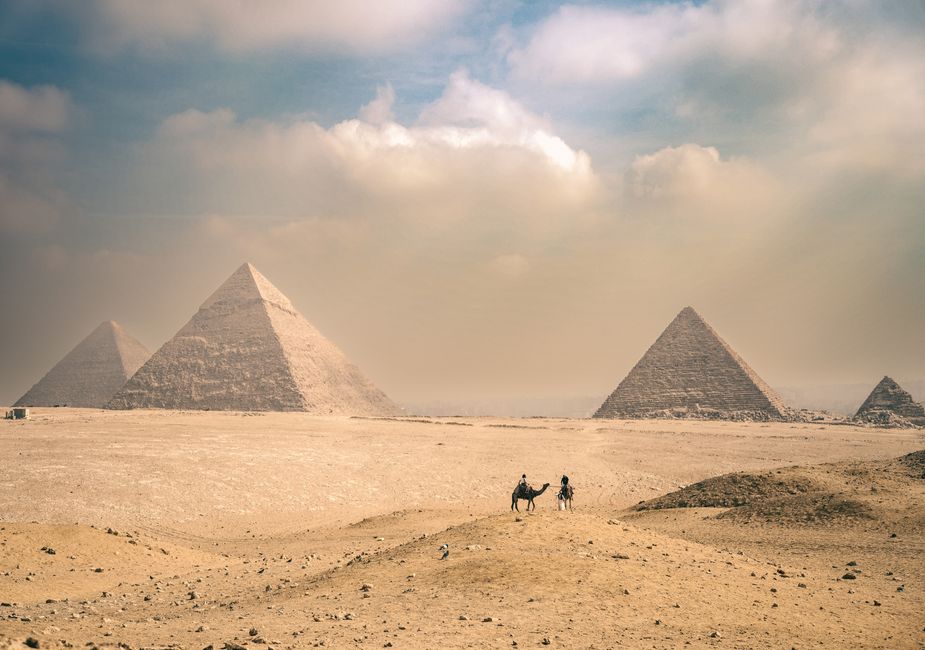
To experience this safely, you need a licensed guide. The terrain is deceptive, and getting lost in the white expanse is a real risk. Bivouacking here is the highlight. You set up camp in the open sand, and since there is zero light pollution, the night sky is a major attraction. Just remember that temperatures drop fast after sunset, even in the warmer months.
Pro Tip: Bring a high-quality headlamp and a portable power bank. There are no plugs in the Sahara, and you will need light for those midnight trips to the tent.
Black Desert - Volcanic Rocks and Crystal Mountain Wonders
The Black Desert is the gritty sibling of the White Desert. It is characterized by volcanic hills covered in black basalt stones, creating a sharp contrast against the yellow sands. The geology here is a result of ancient volcanic eruptions that left the landscape scarred and rugged. It is a shorter stop than the White Desert, usually a few hours of exploration by 4x4.

Nearby, you will find Crystal Mountain. It is a natural formation of calcite and quartz crystals that glitter in the sun. Walking up the slope feels like climbing a giant piece of jewelry. Because the area is small, it can get crowded with day-trippers, so try to arrive early or stay overnight nearby to avoid the midday rush.
Siwa Oasis - Remote Culture, Star-Gazing Safaris and Ancient Ruins
Siwa is the most isolated outpost in Egypt. Located near the Libyan border, it is famous for its salt lakes, date palms, and a culture that has remained distinct from the rest of Egypt for centuries. The locals speak Siwi, a Berber language, and the pace of life here is slow. You will spend your days swimming in turquoise salt pools that make you float effortlessly.

The ruins of Shali, an ancient mud-brick fortress, offer a glimpse into the town's history. For adventure, take a safari into the Great Sand Sea. The dunes here are some of the highest in the world. If you are comparing this remote experience to other quiet corners of the world, you might find similar vibes in the Best Villages in Fiji to Visit in 2026: Real Culture, No Res. For a broader sense of remote nature, see the Best Rainforests in Papua New Guinea: 2026 Access & Safety Guide.
Farafra & Bahariya - Hidden Oases, Fossil Lakes and Desert Art
Bahariya is the gateway to the Western Desert, while Farafra is quieter and more spread out. Bahariya is where you find the Black and White deserts, but it also has its own network of springs and fossil‑rich lakes. Farafra is known for its artistic community and the stunning white chalk landscapes that surround the town.
Visiting these oases requires a flexible mindset. You will likely be traveling in old Toyota Land Cruisers and eating simple meals. The attraction here is the lack of polish. You can find ancient fossils in the sand and visit local workshops where artisans create pottery from desert clay. It is far less commercial than the tourist hubs of Luxor or Aswan.
Eastern Desert - Red Sea Dunes, Ancient Trade Routes and Coastal Villages
The Eastern Desert is a completely different beast. While the Western Desert is about sand and oases, the Eastern Desert is rocky, mountainous, and borders the Red Sea. This was the path of ancient trade routes connecting the Nile to the coast. The terrain is harsh, but the contrast between the red granite mountains and the deep blue sea is striking.

You can explore coastal villages where the lifestyle is tied to fishing and small‑scale farming. If you enjoy the mix of desert and coast, you should also check out the Best Beaches in Namibia 2026: Skeleton Coast & Swakopmund Gu for a similar rugged aesthetic. The Eastern Desert is best explored via guided treks from Hurghada or Marsa Alam.
Western Desert Road Trip - Cairo to the Great Sand Sea
Planning a multi‑day trip across the Western Desert is a logistical puzzle. You cannot just rent a car and drive; you need permits and a guide. A typical route starts in Cairo, heads to Bahariya, cuts through the Black and White deserts, and ends in Siwa. This journey takes approximately 8 days.
- Route Planning: Start in Cairo, move to Bahariya for the volcanic landscapes, then push west toward Farafra and Siwa.
- Transport: Only 4x4 vehicles with high clearance and dual spare tires are viable.
- Supplies: Carry double the water you think you need. A minimum of 5 liters per person per day is the standard as of 2026.
The Great Sand Sea is the final frontier. It is a massive expanse of dunes where GPS is your only friend. Because this area is restricted, you must coordinate with local agencies to secure the necessary military permits for transit.
Practical Planning for 2026 - Budget, Safety Tips and Best Travel Times
Timing is everything in the desert. The best time to visit is between October and March. In the summer, temperatures can exceed 45 °C, making it dangerous to travel. Winter nights are freezing, so bring thermal layers and a heavy sleeping bag for bivouacs.
Regarding the budget, a 3‑to‑5 day desert safari as of September 2026 typically costs between $27‑$70 USD per person (all‑inclusive Super Safari $38‑$70, quad‑only $27), depending on the group size and destination. This usually covers the 4x4, guide, food, and camping gear. Compare budget tips with the Ecuador Travel Cost 2026: Mainland vs. Galapagos Daily Budget.
Warning: Do not attempt to enter the Western Desert or Siwa without a licensed guide and the proper permits. Military checkpoints are frequent, and you will be turned back without paperwork.
For gear, pack lightweight, breathable clothing for the day and wool layers for the night. A sturdy pair of hiking boots is essential for the rocky terrain of the Black Desert. Most importantly, bring a basic first‑aid kit with plenty of hydration salts and sunscreen.
Common Questions
What is the best time of year to visit Egypt’s deserts in 2026?
Visit between October and March to avoid the extreme summer heat. Winter is the most comfortable, though nights are very cold.
How much does a multi‑day desert safari cost as of September 2026?
Expect to pay between $27‑$70 USD for a 3‑5 day adventure (all‑inclusive Super Safari $38‑$70, quad‑only $27), covering transport, food, and guiding.
Are camel treks safe for solo travelers in Egypt’s deserts?
Yes, provided you are with a licensed tour operator. Solo trekking without a guide is not recommended due to the risk of disorientation.
Do I need a visa or special permits to explore the Western Desert?
You need a standard Egyptian tourist visa, but specific military permits are required for remote areas like the Great Sand Sea. Your tour operator usually handles these.
What essential gear should I pack for a desert bivouac in 2026?
Pack a heavy sleeping bag, thermal underwear, a headlamp, a high‑capacity power bank, and at least 5 liters of water per day.
Common questions
- 01 What is the best time of year to visit Egypt’s deserts in 2026?
- The best time is between October and March to avoid extreme heat.
- 02 How much does a multi-day desert safari cost as of September 2026?
- A 3-to-5 day trip typically costs between $400 and $800 USD per person.
- 03 Do I need special permits for the Western Desert?
- Yes, military permits are required for remote areas like the Great Sand Sea, usually arranged by your guide.
- 04 What is the essential gear for a desert bivouac?
- Bring a heavy sleeping bag, thermal layers, a headlamp, and at least 5 liters of water per day.
Heads up: some links in this article are partner links, so we may earn a small commission at no extra cost to you. Learn more.

